Tinnitus Pronounce: How To Say It Correctly And Why Understanding Tinnitus Matters In 2026
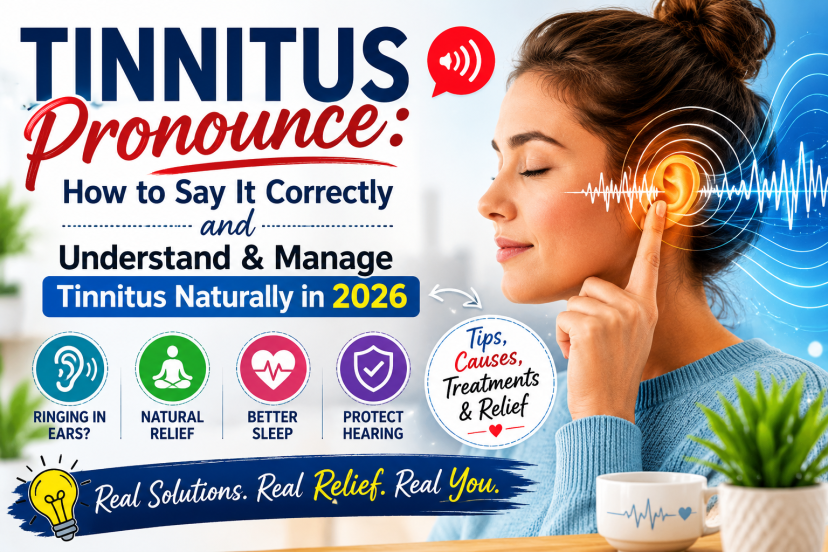
If you’ve ever searched for “tinnitus pronounce”, you’re not alone. Many people first encounter the word after experiencing persistent ringing, buzzing, hissing, or whooshing sounds in their ears. The condition itself can be confusing enough—then you discover that even saying the word correctly isn’t always obvious.
Living with tinnitus can be frustrating. The constant noise may interfere with sleep, concentration, work, and relaxation. It can also increase stress and anxiety, creating a cycle where the ringing feels even louder. The good news is that while tinnitus doesn’t always disappear completely, many people successfully manage their symptoms through healthy habits, sound therapy, stress reduction, and proper hearing care.
This guide explains how to pronounce tinnitus correctly, what the condition actually is, and the latest understanding of tinnitus management in 2026.
💡 Quick Answer: Tinnitus Pronounce
Tinnitus is most commonly pronounced as:
TIN-ih-tus (TIN-uh-tus)
Some healthcare professionals and people also say:
- Tin-NIGHT-us
- TIN-ih-tiss
All of these pronunciations are widely accepted in English, although TIN-ih-tus is the pronunciation most commonly heard in the United States.
More importantly, tinnitus refers to hearing sounds that are not coming from an external source, such as ringing, buzzing, humming, clicking, roaring, or whooshing.
🔊 What Does Tinnitus Pronounce Mean?
Many people search “tinnitus pronounce” because they’ve recently been diagnosed or heard the word during a doctor’s appointment.
Knowing how to pronounce it can make discussing your condition with healthcare providers feel less intimidating.
Tinnitus itself is not a disease. Instead, it’s a symptom that something is affecting the hearing system or the way the brain processes sound.
Common tinnitus sounds include:
- 🔹 Ringing
- 🔹 Buzzing
- 🔹 Hissing
- 🔹 Humming
- 🔹 Clicking
- 🔹 Roaring
- 🔹 Pulsing
- 🔹 Whooshing
Some people hear these sounds constantly, while others notice them only in quiet environments.
👂 What Causes Tinnitus?
Understanding the cause often helps guide the best treatment approach.
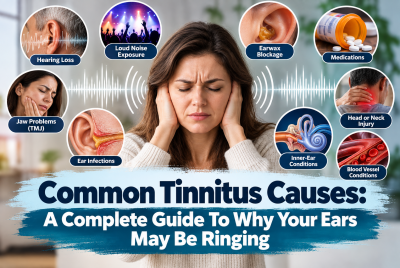
Common causes include:
Hearing Loss
Age-related hearing loss remains the leading cause of tinnitus in adults.
Noise Exposure
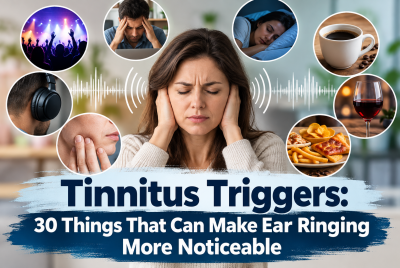
Years of loud concerts, power tools, firearms, or workplace noise can damage tiny hair cells inside the inner ear.
Earwax Blockage
A buildup of wax may temporarily change hearing and trigger ringing.
Certain Medications
Some medications may contribute to tinnitus, including:
- High doses of aspirin
- Certain antibiotics
- Some chemotherapy drugs
- Loop diuretics
- Some anti-inflammatory medications
Never stop medications without consulting your healthcare provider.
Stress And Anxiety
Emotional stress doesn’t usually cause tinnitus directly, but it commonly makes symptoms feel louder and more noticeable.
Medical Conditions
Other possible causes include:
- High blood pressure
- Temporomandibular joint (TMJ) disorders
- Ear infections
- Ménière’s disease
- Head or neck injuries
🎧 Tinnitus Symptoms To Watch For
Every person’s experience is different.
Symptoms may include:
- Ringing in one or both ears
- Buzzing sounds
- High-pitched tones
- Low humming
- Clicking noises
- Pulsing sounds
- Difficulty hearing conversations
- Trouble concentrating
- Sleep disruption
- Increased stress or anxiety
Some people notice symptoms mainly at bedtime because quiet rooms make internal sounds easier to hear.
🌙 Why Tinnitus Often Seems Louder At Night
Many people believe their tinnitus worsens after dark.
Usually, the tinnitus itself hasn’t changed.
Instead:
- Your home becomes quieter.
- There are fewer environmental sounds.
- Your brain focuses more on internal sounds.
- Fatigue increases awareness.
- Stress from the day may accumulate.
Many tinnitus specialists recommend introducing gentle background sound during bedtime.
Examples include:
- White noise
- Rain sounds
- Ocean waves
- Soft fans
- Nature recordings
🎵 Sound Therapy For Daily Relief
Sound therapy continues to be one of the most widely recommended non-medication approaches in 2026.
Its goal is not to eliminate tinnitus but to make it less noticeable.
Popular options include:
White Noise Machines
Helpful during sleep.
Smartphone Apps
Many Americans use apps offering:
- Nature sounds
- Pink noise
- Brown noise
- Ocean waves
- Guided relaxation
Hearing Aids
If hearing loss is present, hearing aids often reduce awareness of tinnitus by amplifying everyday environmental sounds.
Modern hearing devices may also include built-in tinnitus masking programs.
🧘 Relaxation Techniques That May Help
Stress and tinnitus often feed into each other.
Learning relaxation skills can reduce this cycle.
Helpful techniques include:
- 🧘 Deep breathing
- 🧘 Progressive muscle relaxation
- 🧘 Mindfulness meditation
- 🧘 Gentle yoga
- 🧘 Walking outdoors
- 🧘 Journaling
- 🧘 Better sleep habits
Even 10–15 minutes daily may improve your overall response to tinnitus.
🌿 Natural Supplements For Tinnitus
No supplement cures tinnitus, but some people report symptom improvement when nutritional deficiencies or other health issues are involved.
Always discuss supplements with your healthcare provider.
Ginkgo Biloba
Some individuals report better circulation and reduced tinnitus awareness, although research findings remain mixed.
Magnesium
Magnesium supports nerve and muscle function.
People with low magnesium levels may benefit from supplementation under medical guidance.
Vitamin B12
A deficiency may contribute to neurological symptoms in some people.
Correcting a deficiency may improve overall nerve health.
Zinc
Researchers continue studying whether zinc benefits certain individuals with tinnitus, though evidence remains limited.
Supplements work best alongside healthy lifestyle habits rather than as standalone treatments.
🍎 Lifestyle Habits That Support Ear Health
Daily habits can influence how noticeable tinnitus feels.
Helpful strategies include:
Protect Your Hearing
Wear hearing protection around:
- Concerts
- Lawn equipment
- Power tools
- Firearms
- Sporting events
Sleep Consistently
Aim for 7–9 hours of quality sleep.
Stay Hydrated
Dehydration may worsen how some people perceive tinnitus.
Exercise Regularly
Walking, swimming, and cycling support circulation and reduce stress.
Limit Loud Headphone Volume
Follow the 60/60 rule:
- No more than 60% volume
- No longer than 60 minutes before taking a break
Manage Stress
Healthy stress management often reduces tinnitus distress.
📱 Helpful U.S. Apps And Devices
Many Americans use technology to manage tinnitus.
Popular examples include:
- ReSound Relief
- Beltone Tinnitus Calmer
- Widex Zen
- myNoise
- BetterSleep
Many hearing aid manufacturers also offer tinnitus management features through smartphone apps.
🔬 What’s New In Tinnitus Research For 2026?
Research continues moving toward personalized tinnitus care rather than searching for one universal cure.
Recent areas of interest include:
- Improved sound therapy personalization
- AI-assisted hearing assessments
- Better hearing aid programming
- Brain-based tinnitus retraining strategies
- Expanded telehealth access for audiology
- Greater focus on sleep quality and mental wellness
Researchers continue studying how the brain adapts to tinnitus and why some people naturally habituate while others remain highly bothered.
Although no universal cure exists yet, treatment options continue improving.
🩺 When To See A Doctor
While many cases of tinnitus are not emergencies, certain situations deserve prompt medical evaluation.
Schedule an appointment with an ENT specialist or audiologist if you experience:
- 🚩 Sudden hearing loss
- 🚩 Tinnitus in only one ear that is persistent
- 🚩 Pulsing tinnitus that matches your heartbeat
- 🚩 Severe dizziness or balance problems
- 🚩 Ear pain or drainage
- 🚩 Tinnitus following a head injury
- 🚩 Symptoms that interfere with sleep, work, or daily life
- 🚩 Ringing lasting longer than several weeks
Early evaluation can sometimes identify treatable underlying causes.
❓ FAQs: Tinnitus Pronounce
1. How do you pronounce tinnitus correctly?
The most common U.S. pronunciation is TIN-ih-tus. Other accepted pronunciations include tin-NIGHT-us.
2. What does tinnitus mean?
Tinnitus means hearing sounds that are not coming from an outside source, including ringing, buzzing, humming, or clicking.
3. Can tinnitus go away naturally?
Yes. Temporary tinnitus caused by loud noise exposure, ear infections, or earwax may improve once the underlying issue resolves. Chronic tinnitus may require long-term management.
4. Is tinnitus always caused by hearing loss?
No. Hearing loss is common, but tinnitus may also result from medications, stress, TMJ disorders, circulation problems, or other medical conditions.
5. What is the best treatment for tinnitus?
Treatment depends on the cause. Many people benefit from hearing aids, sound therapy, stress reduction, sleep improvement, and hearing protection.
6. Are supplements proven to cure tinnitus?
No. Supplements like ginkgo biloba, magnesium, and vitamin B12 may help some individuals, especially when deficiencies exist, but they are not proven cures.
7. Should I worry if only one ear is ringing?
Persistent tinnitus in one ear should be evaluated by an ENT or audiologist to rule out underlying conditions.
🌟 Conclusion: Tinnitus Pronounce
Learning the correct “tinnitus pronounce” is only the beginning. Far more important is understanding what tinnitus is and knowing that you’re not alone.
Although tinnitus can be challenging, many people find meaningful relief by combining healthy hearing habits, sound therapy, stress management, better sleep, and guidance from hearing professionals when needed.
Progress often happens gradually rather than overnight. Small, consistent lifestyle changes can reduce how much tinnitus affects your daily life, allowing you to focus more on the sounds you want to hear and less on the ones you don’t.
Be patient with yourself, protect your hearing, and remember that effective tinnitus management is often about building healthy routines that support both your ears and your overall well-being.
Medical Disclaimer: This article is for informational purposes only and should not be considered medical advice. Always consult a qualified healthcare provider, audiologist, or ENT specialist regarding persistent tinnitus, hearing loss, or any new or worsening symptoms.
 Explore more: