Can Acid Reflux Cause Tinnitus? What You Need To Know About The Connection
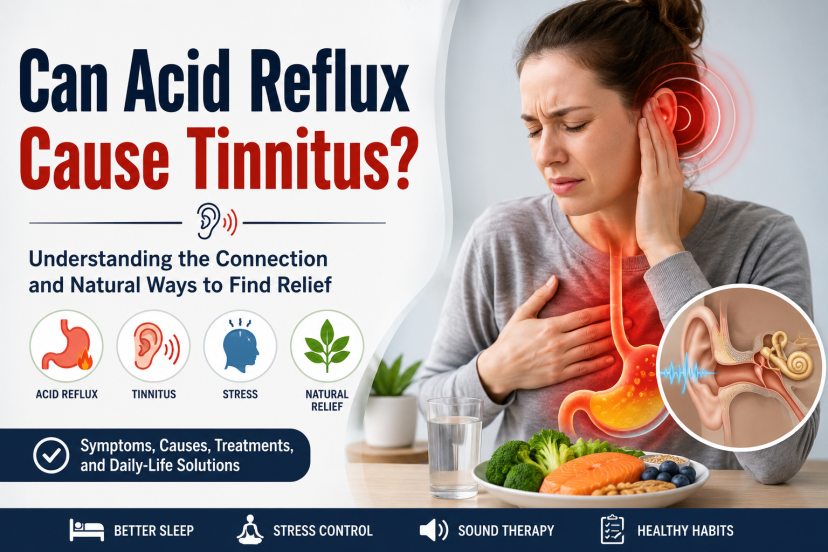
Living with tinnitus isn’t easy. The constant ringing, buzzing, humming, or whooshing can make it difficult to concentrate, relax, or get a good night’s sleep. Many people spend months trying to figure out what triggered their symptoms, especially when tinnitus seems to appear alongside other health problems.
One question that comes up surprisingly often is: Can acid reflux cause tinnitus?
If you’ve noticed your ear ringing gets worse after meals, when lying down, or during periods of frequent heartburn, you may wonder whether the two conditions are related. While researchers haven’t proven that acid reflux directly causes tinnitus, there are several ways the two conditions may be connected.
In this guide, you’ll learn what current research suggests, why reflux may affect your ears, and practical lifestyle strategies that may help reduce both acid reflux symptoms and tinnitus severity.
⭐ Quick Answer: Can acid reflux cause tinnitus?
Possibly—but usually not directly.
Acid reflux does not typically damage the hearing system itself. However, chronic reflux may contribute to inflammation around the throat and Eustachian tubes, increase stress, disrupt sleep, and worsen conditions that are already linked with tinnitus. Many people notice that treating reflux also helps reduce the intensity or frequency of their tinnitus, although this doesn’t happen for everyone.

Key Takeaways
Most likely cause: Acid reflux is unlikely to directly cause tinnitus, but it may worsen ear ringing through inflammation, poor sleep, stress, or Eustachian tube dysfunction.
Usually serious? No. Most cases are not considered serious, but persistent tinnitus or severe reflux should be evaluated by a healthcare professional.
First thing to check: Notice whether your tinnitus becomes worse after meals, when lying down, or during reflux flare-ups, and keep a symptom diary to look for patterns.
Best solution: Manage acid reflux with healthy lifestyle changes, improve sleep quality, reduce stress, and seek medical advice if tinnitus persists or new hearing symptoms develop.
🔍 What Is The Possible Connection Between Acid Reflux And Tinnitus?
Acid reflux occurs when stomach acid flows backward into the esophagus. When this happens frequently, it’s known as gastroesophageal reflux disease (GERD).
Although the ears and stomach seem unrelated, several shared pathways may explain why some people experience both acid reflux and tinnitus.
Possible connections include:
- Inflammation affecting the throat and Eustachian tubes
- Sleep disruption from nighttime reflux
- Increased stress and anxiety
- Shared nerve pathways involving the vagus nerve
- Medication side effects
- Overall inflammatory responses within the body
Researchers continue studying these relationships, but there is currently no strong evidence proving acid reflux is a direct cause of tinnitus.
👂 How Acid Reflux May Affect The Ears
Inflammation Near The Eustachian Tubes
The Eustachian tubes connect the middle ear to the back of the throat.
When acid repeatedly irritates tissues near these openings, inflammation may develop, leading to:
- Ear fullness
- Mild pressure
- Clicking sensations
- Temporary hearing changes
- Increased awareness of tinnitus
This doesn’t mean acid reaches the inner ear itself. Instead, surrounding tissue irritation may alter pressure regulation inside the middle ear.
Sleep Disruption
Nighttime reflux is one of the biggest complaints among people with GERD.
Poor sleep is also one of the most common tinnitus triggers.
When sleep quality declines:
- The brain becomes more sensitive to internal sounds.
- Stress hormones increase.
- Tinnitus may seem louder the next day.
- Concentration becomes more difficult.
Many people notice that improving sleep habits helps make tinnitus easier to ignore.
Increased Stress Levels
Living with chronic reflux can be frustrating.
Pain, discomfort, dietary restrictions, and interrupted sleep all increase stress levels.
Stress doesn’t cause tinnitus, but it often makes existing tinnitus more noticeable because the brain becomes more alert to internal sensations.
🩺 Can GERD Cause Ringing In The Ears?
GERD may indirectly contribute to ringing in the ears in certain individuals.
Possible reasons include:
- Chronic throat inflammation
- Eustachian tube dysfunction
- Poor sleep
- Anxiety
- Medication reactions
However, tinnitus has many possible causes, including:
- Age-related hearing loss
- Noise exposure
- Earwax blockage
- Ear infections
- Certain medications
- High blood pressure
- Ménière’s disease
- Jaw disorders (TMJ)
That’s why it’s important not to assume reflux is the only explanation.
⚠️ Symptoms That May Suggest Both Conditions Are Related
Some people notice patterns like these:
- Ringing becomes worse after large meals.
- Symptoms increase when lying flat.
- Ear pressure appears during reflux flare-ups.
- Morning tinnitus feels worse after nighttime heartburn.
- Both symptoms improve after reflux treatment.
Keeping a symptom diary for several weeks can help identify whether your tinnitus follows reflux episodes.
💊 Can Acid Reflux Medication Affect Tinnitus?
Sometimes medications deserve attention too.
Certain medications used for acid reflux have occasionally been reported alongside tinnitus, although this appears to be uncommon.
Examples include:
- Proton pump inhibitors (PPIs)
- H2 blockers
- Some antacids (rarely)
In most people, these medications are safe and do not cause ear ringing.
If tinnitus begins shortly after starting a new medication, speak with your healthcare provider before stopping treatment on your own.
🌿 Lifestyle Changes That May Help Both Acid Reflux And Tinnitus
Fortunately, many healthy habits benefit both conditions.
Eat Smaller Meals
Large meals increase stomach pressure and make reflux more likely.
Try:
- Eating smaller portions
- Avoiding overeating
- Taking time to chew thoroughly
Avoid Late-Night Eating
Try finishing meals at least:
- 2–3 hours before bedtime
This simple habit often reduces nighttime reflux.

Elevate Your Head During Sleep
Raising the head of your bed by 6–8 inches may reduce nighttime acid reflux while also supporting better sleep.
Better sleep often makes tinnitus feel less intrusive.
Limit Trigger Foods
Common reflux triggers include:
- Spicy foods
- Fried foods
- Citrus
- Chocolate
- Peppermint
- Tomatoes
- Alcohol
- Coffee (for some individuals)
Not everyone has the same triggers, so keeping a food journal can help.
Stay Hydrated
Drinking enough water supports overall health and may reduce throat irritation caused by reflux.
🎵 Sound Therapy For Better Tinnitus Relief
Even if reflux contributes to tinnitus, managing the ringing directly remains important.
Many people benefit from gentle background sounds.
Popular options include:
- White noise
- Rain sounds
- Ocean waves
- Nature recordings
- Soft instrumental music
Helpful smartphone apps include:
- ReSound Relief
- Widex Zen
- myNoise
- BetterSleep
Many hearing aids now also include built-in sound therapy features for people with hearing loss.
💚 Supplements That Some People Consider
No supplement cures tinnitus, but several have been studied for possible support.
Always consult your healthcare provider before starting supplements.
Magnesium
Magnesium supports healthy nerve function and muscle relaxation.
People with low magnesium levels may benefit from correcting a deficiency, although evidence for tinnitus relief remains mixed.
Vitamin B12
Vitamin B12 deficiency has been linked to neurological symptoms, including tinnitus in some individuals.
Testing for deficiency may be worthwhile if you have risk factors.
Ginkgo Biloba
Ginkgo biloba remains one of the most discussed natural supplements for tinnitus.
Research results are inconsistent.
Some people report improvement, while clinical studies have produced mixed findings.
🧘 Relaxation Techniques That May Reduce Tinnitus
The brain’s emotional response plays a major role in how loud tinnitus feels.
Relaxation techniques can help reduce this response.
Consider trying:
- Deep breathing
- Progressive muscle relaxation
- Mindfulness meditation
- Gentle yoga
- Daily walking
- Guided imagery
Even 10–15 minutes each day may improve stress management.
🍽️ Foods That Support Ear And Overall Health
A balanced eating pattern may support healthy circulation and reduce inflammation.
Focus on:
- Leafy green vegetables
- Berries
- Whole grains
- Fatty fish
- Nuts
- Beans
- Olive oil
Limiting highly processed foods, excess sugar, and excessive sodium may also benefit overall cardiovascular health, which supports healthy hearing.
📋 Daily Habits That Can Help Manage Tinnitus
Small daily routines often make a noticeable difference over time.
Try these habits:
- ✔ Protect your ears from loud noise.
- ✔ Maintain a regular sleep schedule.
- ✔ Stay physically active.
- ✔ Manage reflux consistently.
- ✔ Reduce stress whenever possible.
- ✔ Stay hydrated.
- ✔ Limit excessive caffeine if it worsens symptoms.
- ✔ Avoid smoking.
Consistency usually matters more than finding one “magic” solution.
🚨 When To See A Doctor
You should schedule an evaluation with an ENT specialist or audiologist if:
- Tinnitus lasts longer than one to two weeks.
- Ringing occurs in only one ear.
- You experience sudden hearing loss.
- Tinnitus pulses with your heartbeat.
- You develop dizziness or balance problems.
- Ear pain or drainage occurs.
- Symptoms interfere with sleep or daily life.
- Acid reflux remains uncontrolled despite lifestyle changes.
Early evaluation helps identify treatable causes and ensures more serious conditions are not overlooked.
❓ FAQs: Can Acid Reflux Cause Tinnitus?
1. Can acid reflux cause tinnitus permanently?
There is no evidence that acid reflux permanently causes tinnitus. However, untreated reflux may worsen factors that make tinnitus more noticeable.
2. Does treating acid reflux make tinnitus go away?
Some people report improvement after controlling reflux, particularly if sleep and inflammation improve. Others may notice little change because their tinnitus has another underlying cause.
3. Why does my tinnitus get worse after eating?
Possible reasons include reflux, increased blood flow, food sensitivities, sodium intake, caffeine, or blood sugar fluctuations.
4. Can GERD affect the inner ear?
GERD mainly affects the digestive tract. Any ear-related effects are believed to occur indirectly through nearby inflammation, Eustachian tube dysfunction, or related factors rather than direct inner ear damage.
5. Is stress from acid reflux making my tinnitus louder?
Yes. Stress and poor sleep are well-known factors that can increase awareness of tinnitus.
6. What foods should I avoid if I have reflux and tinnitus?
Common food triggers include spicy foods, fried foods, alcohol, excessive caffeine, chocolate, peppermint, and large evening meals. Individual triggers vary.
7. Should I see both an ENT and a gastroenterologist?
If you experience persistent tinnitus along with ongoing reflux symptoms, seeing both specialists may help identify whether separate conditions are contributing to your symptoms.
🎯 Final Thoughts
So, can acid reflux cause tinnitus? Current evidence suggests that acid reflux probably doesn’t directly cause ear ringing, but it may contribute through inflammation, disrupted sleep, stress, and related health issues.
The encouraging news is that many of the same healthy habits used to control reflux—such as improving sleep, eating balanced meals, reducing stress, and maintaining an active lifestyle—may also make tinnitus easier to manage.
If your symptoms persist, don’t lose hope. Many people find that a combination of medical guidance, sound therapy, healthy routines, and patience helps them regain control over daily life. While tinnitus may not disappear overnight, consistent self-care can make it much less disruptive.
Medical Disclaimer: This article is for educational purposes only and should not replace professional medical advice, diagnosis, or treatment. If you experience persistent tinnitus, sudden hearing loss, severe acid reflux, or worsening symptoms, consult your healthcare provider, ENT specialist, or audiologist promptly.
 Explore more: