Can Dehydration Cause Tinnitus? What You Need To Know About The Connection
Living with tinnitus can feel exhausting. The constant ringing, buzzing, humming, or whooshing may interfere with work, conversations, relaxation, and even sleep. Many people notice that some days their tinnitus feels much louder than others, leading them to wonder what might be making it worse.
One common question is: Can dehydration cause tinnitus?
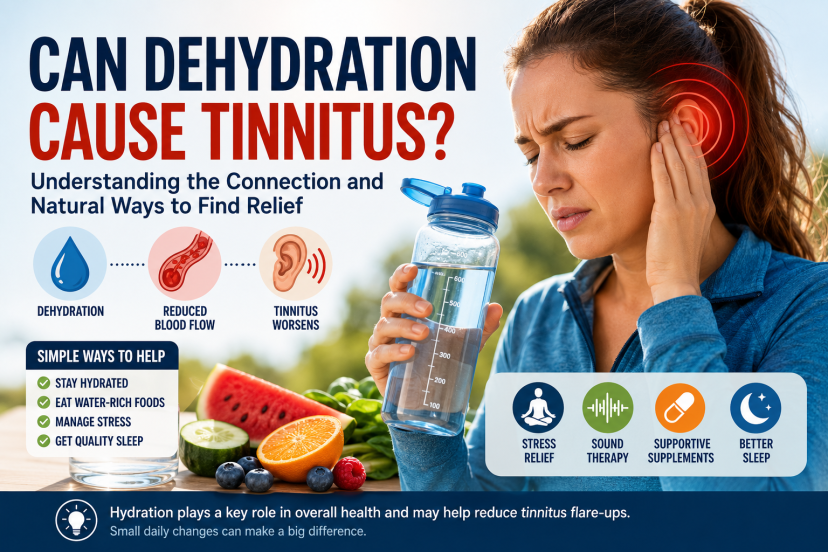
The short answer is that dehydration probably doesn’t directly cause tinnitus in most people. However, not drinking enough water can affect blood flow, inner ear function, blood pressure, and overall health—factors that may temporarily make tinnitus more noticeable.
If you’ve experienced louder ringing after exercising, spending time in hot weather, being sick, or simply forgetting to drink enough water, hydration could be one piece of the puzzle.
Let’s explore what current research says and how staying hydrated may support healthier ears.
⭐ Quick Answer: Can Dehydration Cause Tinnitus?
Yes, dehydration may temporarily worsen tinnitus in some people, although it is usually not the primary cause. The inner ear depends on proper fluid balance and healthy blood circulation to function normally. When dehydration reduces blood volume or alters electrolyte balance, some individuals may notice louder ringing, ear fullness, dizziness, or increased sensitivity to tinnitus. Drinking enough water won’t cure tinnitus, but maintaining good hydration may help reduce flare-ups for some people.
💧 How Dehydration Can Affect Your Ears
Your body is made up of approximately 50–60% water, and every organ depends on adequate hydration—including your ears.
The delicate structures inside the inner ear rely on tiny amounts of specialized fluid to transmit sound and maintain balance.
When dehydration occurs, several changes may affect hearing health:
- Reduced blood circulation
- Lower blood volume
- Changes in electrolyte balance
- Temporary drops in blood pressure
- Increased fatigue and stress
While these changes don’t usually damage hearing, they may make existing tinnitus seem louder or more noticeable.
👂 Why Hydration Matters For Healthy Hearing
The cochlea, the hearing organ inside your inner ear, depends on a steady supply of oxygen and nutrients carried by the bloodstream.
When you’re dehydrated:
- Blood becomes slightly more concentrated.
- Circulation may become less efficient.
- The inner ear may receive less oxygen temporarily.
- Nerve cells may become more sensitive.
Researchers believe these temporary changes could increase awareness of tinnitus in susceptible individuals.
🔍 Can Dehydration Cause Tinnitus Or Just Make It Worse?
For most people, dehydration is not the root cause of tinnitus.
Instead, it may act as a trigger that temporarily increases symptoms already caused by another condition.
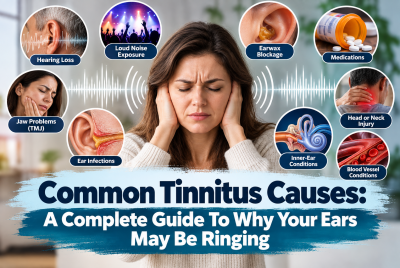
Common underlying causes include:
- Age-related hearing loss
- Noise exposure
- Ear infections
- Earwax buildup
- Certain medications
- High blood pressure
- Temporomandibular joint (TMJ) disorders
- Ménière’s disease
If dehydration contributes, it’s usually by making an existing problem more noticeable rather than creating tinnitus from scratch.
⚠️ Symptoms Of Dehydration That May Occur With Tinnitus
If dehydration is contributing to your symptoms, you may also notice:
- Dry mouth
- Increased thirst
- Dark yellow urine
- Fatigue
- Headache
- Dizziness
- Lightheadedness
- Difficulty concentrating
- Muscle cramps
- Faster heartbeat
Some people also report:
- Increased ear ringing
- Ear fullness
- Mild balance problems
These symptoms often improve after proper hydration.
🌡️ Situations That Can Lead To Dehydration And Tinnitus Flare-Ups
Several everyday situations increase dehydration risk.
These include:
Hot Weather
Sweating causes water and electrolyte loss.
Exercise
Long workouts without replacing fluids may worsen dehydration.
Illness
Vomiting, diarrhea, and fever rapidly reduce body fluids.
Alcohol
Alcohol increases fluid loss and often makes tinnitus worse for some individuals.
Excessive Caffeine
Moderate caffeine is usually fine for most people, but excessive amounts may contribute to dehydration in sensitive individuals.
🥤 How Much Water Should You Drink?
Hydration needs vary depending on:
- Body size
- Activity level
- Climate
- Medical conditions
- Diet
A common guideline is:
- Women: About 2.7 liters (91 ounces) of fluids daily
- Men: About 3.7 liters (125 ounces) of fluids daily
These totals include water from beverages and foods like fruits and vegetables.
Rather than aiming for a fixed number of glasses, pay attention to:
- Pale yellow urine
- Regular thirst
- Activity level
- Weather conditions
🌿 Natural Ways To Stay Hydrated
Simple habits can help maintain hydration throughout the day.
Try these tips:
- ✔ Carry a reusable water bottle.
- ✔ Drink water before feeling thirsty.
- ✔ Eat water-rich fruits like watermelon and oranges.
- ✔ Include cucumbers, tomatoes, and lettuce.
- ✔ Drink extra fluids during hot weather.
- ✔ Replace fluids after exercise.
- ✔ Limit excessive alcohol intake.
Small habits practiced consistently often make the biggest difference.
🎵 Sound Therapy Can Help Reduce Tinnitus Awareness
Even if dehydration contributes to your symptoms, sound therapy remains one of the most helpful daily management tools.
Many people benefit from:

- White noise
- Ocean waves
- Rain sounds
- Nature recordings
- Soft background music
Popular U.S. apps include:
- ReSound Relief
- Widex Zen
- BetterSleep
- myNoise
Many modern hearing aids also include customizable tinnitus masking programs.
💊 Supplements That May Support Hearing Health
No supplement has been proven to cure tinnitus.
However, some people discuss these options with their healthcare provider.
Magnesium
Magnesium supports nerve function and healthy circulation.
People with low magnesium levels may benefit from correcting a deficiency.
Vitamin B12
Vitamin B12 deficiency has been associated with tinnitus in some individuals.
A simple blood test can determine whether supplementation is needed.
Ginkgo Biloba
Ginkgo biloba is one of the most studied herbal supplements for tinnitus.
Research remains mixed, with some people reporting benefits while clinical studies show inconsistent results.
Always consult your healthcare provider before starting any supplement.
🧘 Relaxation Techniques May Help Calm Tinnitus
Stress often makes tinnitus seem louder.
Fortunately, relaxation techniques may reduce the brain’s attention to internal sounds.
Consider:
- Deep breathing
- Meditation
- Progressive muscle relaxation
- Gentle yoga
- Walking outdoors
- Mindfulness exercises
Practicing for just 10–15 minutes daily can improve stress management over time.
🥗 Foods That Support Hydration And Ear Health
Good nutrition works together with hydration.
Focus on foods such as:
- Leafy greens
- Berries
- Citrus fruits
- Cucumbers
- Watermelon
- Bell peppers
- Whole grains
- Salmon
- Nuts
- Beans
Limiting heavily processed foods and excessive sodium may also support healthy circulation.
✅ Daily Habits That May Help Reduce Tinnitus
Building healthy routines often leads to gradual improvement.
Helpful habits include:
- ✔ Drink water consistently.
- ✔ Protect your hearing from loud noise.
- ✔ Exercise regularly.
- ✔ Get 7–9 hours of sleep.
- ✔ Manage stress daily.
- ✔ Avoid smoking.
- ✔ Limit alcohol if it worsens symptoms.
- ✔ Eat balanced meals throughout the day.
While these habits won’t eliminate tinnitus, they often improve overall quality of life.
🚨 When To See A Doctor
You should schedule an evaluation with an ENT specialist or audiologist if:
- Tinnitus lasts more than one to two weeks.
- Ringing occurs in only one ear.
- You experience sudden hearing loss.
- Tinnitus pulses with your heartbeat.
- You have severe dizziness or balance problems.
- Ear pain or drainage develops.
- Symptoms interfere with sleep or daily activities.
- Drinking water does not improve dehydration symptoms.
A hearing evaluation can help identify treatable causes and rule out more serious conditions.
❓ FAQs: Can Dehydration Cause Tinnitus?
Can dehydration cause tinnitus overnight?
Yes. If you become dehydrated due to heat, exercise, illness, or alcohol, tinnitus may temporarily seem louder the next day.
Will drinking water stop tinnitus?
Drinking water won’t cure tinnitus, but if dehydration is contributing, proper hydration may reduce symptom intensity.
Why does my tinnitus get worse after exercise?
Heavy sweating without replacing fluids may contribute to dehydration. Loud gym environments, increased blood flow, and physical stress may also play a role.
Can electrolyte imbalance affect tinnitus?
Possibly. Electrolytes help nerves and muscles function properly. Significant imbalances may contribute to dizziness and changes in hearing or tinnitus in some cases.
Is dehydration linked to dizziness and ear ringing?
Yes. Dehydration can reduce blood pressure and circulation, leading to dizziness, lightheadedness, and sometimes increased tinnitus.
What is the fastest way to recover from dehydration?
Drink water gradually, replace electrolytes if needed, eat water-rich foods, and rest. Severe dehydration requires immediate medical attention.
Should I drink more water if I have chronic tinnitus?
Maintaining healthy hydration is beneficial for overall health and may help reduce flare-ups, but it should be part of a broader tinnitus management plan.
🌟 Final Thoughts
So, can dehydration cause tinnitus? While dehydration is unlikely to be the primary cause of ear ringing, it can temporarily make tinnitus more noticeable by affecting circulation, fluid balance, and overall well-being.
The good news is that staying well hydrated is one of the simplest and healthiest habits you can adopt. Combined with good sleep, stress management, sound therapy, hearing protection, and a balanced diet, proper hydration may help you experience fewer tinnitus flare-ups over time.
Remember that tinnitus management is rarely about finding one miracle solution. Instead, steady, healthy daily habits often make the greatest difference. If your symptoms persist or worsen, don’t hesitate to seek guidance from an ENT specialist or audiologist who can help identify the underlying cause and recommend personalized treatment options.
Medical Disclaimer: This article is for educational purposes only and is not intended to replace professional medical advice, diagnosis, or treatment. If you experience persistent tinnitus, sudden hearing loss, severe dizziness, or signs of significant dehydration, seek evaluation from your healthcare provider, ENT specialist, or audiologist promptly.
 Explore more: