What Does Tinnitus Sound Like? 12 Common Sounds, Causes, And Ways To Find Relief
If you’ve ever wondered what does tinnitus sound like, you’re not alone. Millions of Americans live with tinnitus every day, hearing sounds that no one else can hear. Whether it’s a high-pitched ringing, constant buzzing, gentle humming, or rhythmic whooshing, these noises can make it difficult to concentrate, relax, or get a good night’s sleep.
For many people, tinnitus becomes most noticeable in quiet environments, especially at bedtime. The silence that should help you unwind instead makes the sound seem louder, increasing stress and making sleep even harder.
The good news is that while tinnitus doesn’t always disappear completely, many people successfully reduce how much it affects their daily lives. Understanding what does tinnitus sound like, why it happens, and what can help is the first step toward finding relief.
⭐ Quick Answer: What Does Tinnitus Sound Like
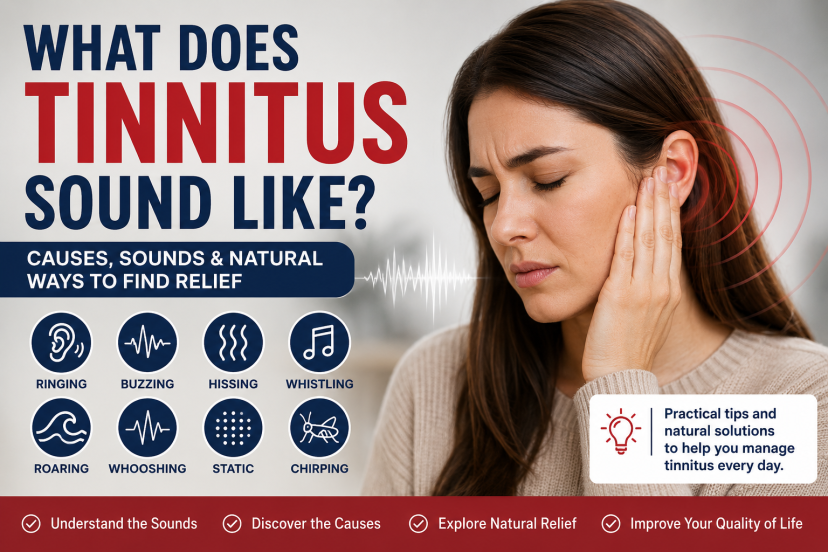
Tinnitus can sound like ringing, buzzing, humming, hissing, whistling, roaring, clicking, chirping, static, or even a heartbeat-like whooshing sound. Every person’s experience is different, and the sound may be constant or come and go. Although tinnitus itself isn’t a disease, it is usually a symptom of an underlying hearing or health condition.
Key Takeaways
Most likely cause: Age-related hearing loss, prolonged exposure to loud noise, or earwax buildup are among the most common reasons people experience tinnitus.
Usually serious? No. In most cases, what does tinnitus sound like refers to a symptom rather than a dangerous condition, although sudden or one-sided tinnitus should be evaluated by a healthcare professional.
First thing to check: Think about whether you’ve recently been exposed to loud noise, have ear fullness or wax buildup, or have noticed changes in your hearing.
Best solution: Identify and address the underlying cause, protect your hearing from loud sounds, and use sound therapy, healthy sleep habits, or professional treatment if tinnitus becomes persistent or bothersome.
🔔 What Does Tinnitus Sound Like?
One of the biggest misconceptions is that tinnitus only causes ringing. In reality, tinnitus can produce many different sounds.
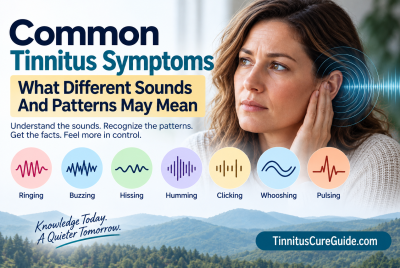
Common tinnitus sounds include:
- High-Pitched Ringing – The most common form.
- Buzzing – Similar to electrical wires.
- Hissing – Like escaping steam.
- Humming – A low continuous tone.
- Roaring – Similar to ocean waves.
- Whistling – A sharp, musical sound.
- Clicking – Repetitive clicking noises.
- Static – Similar to radio interference.
- Chirping – Insect-like sounds.
- Whooshing – Blood flow or heartbeat sounds.
Some people hear only one sound, while others notice multiple sounds that change throughout the day.
The answer to what does tinnitus sound like depends entirely on the individual, the underlying cause, and even the environment around them.
🎧 Why Does Tinnitus Sound Different For Everyone?
Your brain constantly receives signals from your ears.
When hearing cells become damaged, the brain may compensate by increasing its sensitivity to missing sound information. Researchers believe this increased activity creates the phantom sounds people recognize as tinnitus.
Several factors influence what does tinnitus sound like, including:
- Hearing loss
- Noise exposure
- Earwax buildup
- Certain medications
- Stress levels
- Blood flow changes
- Age-related hearing decline
Even two people with similar hearing loss may describe completely different tinnitus sounds.
👂 Common Causes Of The Sounds You Hear
Understanding the cause often helps explain what does tinnitus sound like in your situation.
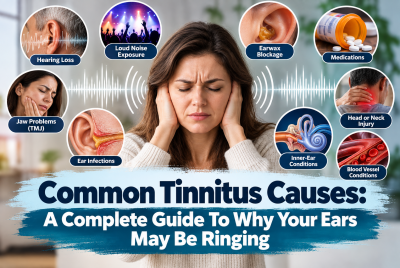
Noise-Induced Hearing Loss
Years of loud concerts, construction work, firearms, or headphones at high volume can damage the tiny hair cells inside the inner ear.
Age-Related Hearing Loss
As hearing naturally declines with age, tinnitus becomes increasingly common.
Earwax Blockage
A buildup of wax can temporarily alter hearing and trigger tinnitus.
Ear Infections
Inflammation and fluid buildup may create temporary ringing or buzzing.
Medications
Some medications may contribute to tinnitus, including:
- High doses of aspirin
- Certain antibiotics
- Some chemotherapy drugs
- Loop diuretics
Never stop prescription medication without speaking with your healthcare provider.
Medical Conditions
Less commonly, tinnitus may be associated with:
- High blood pressure
- Temporomandibular joint (TMJ) disorders
- Ménière’s disease
- Head or neck injuries
🌙 Why Tinnitus Sounds Louder At Night
Many people searching what does tinnitus sound like notice it becomes much louder before bed.
This happens because:
- Background noise disappears.
- Your brain focuses more on internal sounds.
- Fatigue increases sound awareness.
- Stress often builds throughout the day.
Simple strategies that may help include:
- Using a fan
- Playing white noise
- Nature sounds
- Soft instrumental music
- Keeping a consistent bedtime routine
These sounds don’t eliminate tinnitus, but they can make it much less noticeable.
🎵 Sound Therapy And Daily Relief Strategies
Sound therapy is one of the most widely recommended ways to reduce tinnitus awareness.
Helpful options include:
White Noise
Masks high-pitched ringing.
Nature Sounds
Rainfall, waterfalls, ocean waves, and forests help many people relax.
Pink Noise
Lower-frequency sound that many people find gentler than white noise.
Hearing Aids
If hearing loss is present, hearing aids often reduce tinnitus by restoring everyday environmental sounds.
Smartphone Apps
Popular options include:
- ReSound Relief
- Widex Zen
- BetterSleep
- myNoise
Many apps combine soothing sounds, breathing exercises, and relaxation sessions.
🌿 Natural Supplements That May Support Tinnitus Management
No supplement cures tinnitus, but some people report benefits when combined with healthy lifestyle habits.
Always discuss supplements with your healthcare provider before starting them.
Ginkgo Biloba
May support healthy circulation, although research results remain mixed.
Magnesium
Magnesium supports normal nerve and muscle function and may benefit some individuals, particularly those with low dietary intake.
Vitamin B12
Low B12 levels have been linked with tinnitus in some people. Correcting a deficiency may improve symptoms.
Zinc
Some studies suggest zinc supplementation may help individuals who are deficient.
Remember that supplements work best when addressing a confirmed deficiency rather than treating tinnitus directly.
🧘 Lifestyle Habits That May Make Tinnitus Easier To Live With
Managing tinnitus often means reducing its impact instead of chasing a perfect cure.
Helpful daily habits include:
- Protect Your Hearing using quality ear protection around loud equipment.
- Lower Stress with meditation or deep breathing.
- Exercise Regularly to support healthy circulation.
- Limit Excessive Caffeine Or Alcohol if you notice they worsen symptoms.
- Stay Hydrated throughout the day.
- Prioritize Sleep with consistent routines.
- Avoid Complete Silence by using gentle background sound.
Small improvements practiced consistently often lead to meaningful results over time.
💆 Relaxation Techniques That Can Reduce Tinnitus Distress
Stress and tinnitus often reinforce each other.
Helpful techniques include:
- Deep breathing exercises
- Progressive muscle relaxation
- Guided meditation
- Mindfulness practice
- Gentle yoga
- Stretching before bed
- Journaling stressful thoughts
These approaches may not change what does tinnitus sound like, but they often reduce how much attention your brain gives it.
🩺 When To See A Doctor
While tinnitus is common, certain situations require prompt medical evaluation.
Schedule an appointment with an ENT specialist or audiologist if:
- Tinnitus starts suddenly.
- Only one ear is affected.
- The sound pulses with your heartbeat.
- You have dizziness or balance problems.
- Hearing changes suddenly.
- Ear pain or drainage develops.
- Tinnitus significantly interferes with daily life or sleep.
A hearing evaluation can help identify possible causes and guide appropriate treatment options.
❓ FAQs: What Does Tinnitus Sound Like?
1. What does tinnitus sound like most often?
Most people describe ringing, buzzing, humming, or hissing, although many other sounds are possible.
2. Can tinnitus sound like crickets?
Yes. Many people describe tinnitus as crickets, cicadas, or other insect-like chirping.
3. Why does tinnitus sound louder in quiet rooms?
Without background noise, your brain notices internal sounds more easily, making tinnitus seem louder.
4. Is tinnitus always caused by hearing loss?
No. Hearing loss is a common cause, but tinnitus can also result from earwax, infections, medications, stress, blood vessel conditions, or jaw disorders.
5. Can tinnitus go away on its own?
Temporary tinnitus sometimes resolves after loud noise exposure or an ear infection. Chronic tinnitus may persist but can often become much easier to manage.
6. Can stress make tinnitus worse?
Yes. Stress and anxiety commonly increase tinnitus awareness and may make the sounds seem louder.
7. What is the best treatment for tinnitus?
There is no single treatment that works for everyone. Many people benefit from a combination of hearing protection, sound therapy, stress management, hearing aids when appropriate, and healthy lifestyle habits.
🌟 Final Thoughts
If you’ve been asking yourself what does tinnitus sound like, remember that there’s no single answer. Tinnitus can range from a faint buzz to a persistent whistle, and every person’s experience is unique.
Although hearing these sounds can be frustrating, many people successfully learn to reduce their impact through sound therapy, hearing protection, better sleep habits, stress reduction, and appropriate medical care when needed.
Progress often happens gradually rather than overnight. With patience, consistency, and the right combination of strategies, tinnitus can become much less disruptive, allowing you to focus more on the moments that matter most.
Medical Disclaimer: This article is for informational and educational purposes only and should not be considered medical advice. Always consult a qualified healthcare professional, ENT specialist, or audiologist for diagnosis, treatment, or concerns about tinnitus or any hearing-related condition.
 Explore more: