Vascular Tinnitus Causes: How Blood Flow Problems May Trigger Ringing in the Ears
Can Blood Flow Problems Trigger Ear Ringing?
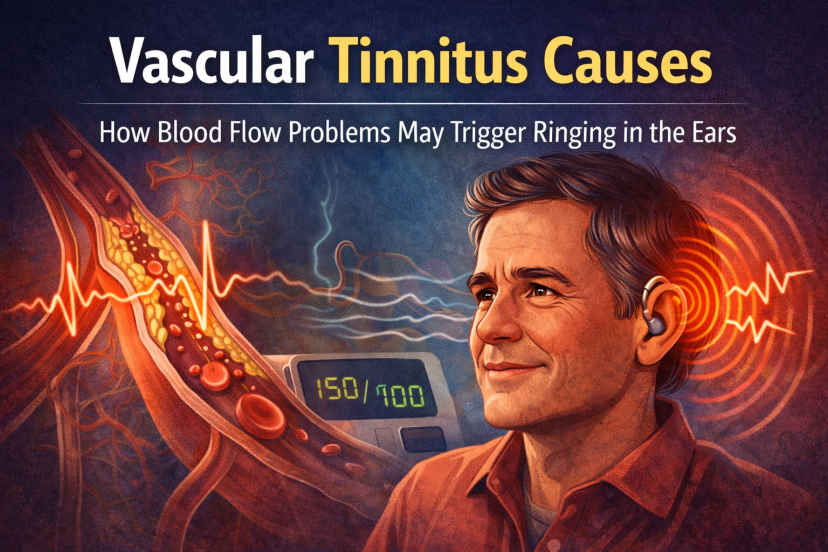
What are vascular tinnitus causes? If your tinnitus sounds like a pulsing, rhythmic, or heartbeat-like noise, blood flow changes in the vascular system may play a role. This is sometimes referred to as vascular tinnitus or pulsatile tinnitus.
Unlike the more common steady ringing tinnitus, vascular-related tinnitus often follows the rhythm of your heartbeat. Many people notice it most clearly when lying down at night or during quiet moments.
Several circulation-related conditions may contribute to this type of tinnitus. These can include high blood pressure, narrowed arteries (arteriosclerosis), or changes in blood flow near the ear and neck.
The reassuring part is that in some cases, addressing underlying vascular factors—such as improving blood pressure control or cardiovascular health—may help reduce the perception of tinnitus.
However, because pulsatile tinnitus can sometimes signal a medical issue that needs evaluation, it’s important to understand the possible causes and when to seek professional guidance.
⭐ Quick Answer: Vascular Tinnitus Causes
• Vascular tinnitus often sounds like a pulsing or heartbeat in the ear
• Changes in blood flow near the ear may make circulation noises more noticeable
• High blood pressure and arteriosclerosis are common contributors
• Symptoms may become more noticeable in quiet environments or when lying down
• Medical evaluation is recommended if tinnitus follows your heartbeat
Why Circulation Can Affect Tinnitus
To understand vascular tinnitus causes, it helps to know how closely the ears are connected to the body’s blood supply.
The inner ear and surrounding structures contain tiny blood vessels that supply oxygen and nutrients to delicate hearing cells. These vessels run close to the auditory nerves and structures that send sound signals to the brain.
When blood flow becomes turbulent or restricted, subtle changes in circulation can sometimes become audible.
Think of it like water moving through a pipe.
When the flow is smooth, you hear nothing. But if the pipe narrows or pressure increases, the flow can create vibrations or sound.
In vascular tinnitus, something similar may occur. Changes in blood flow near the ear may create vibrations that the auditory system interprets as sound.
This is why some people notice tinnitus that:
• Pulses with the heartbeat
• Changes when they move their head or neck
• Becomes louder when blood pressure increases
These clues can help doctors identify whether tinnitus may have a vascular component.
Common Vascular Tinnitus Causes
Several circulation-related conditions may contribute to tinnitus symptoms.
Not everyone with these conditions develops tinnitus, but they are frequently discussed in medical evaluations.
High Blood Pressure
High blood pressure, also called hypertension, can increase the force of blood flow through arteries.
This increased pressure may make circulation sounds more noticeable near the ear.
Some people report that their tinnitus becomes stronger during periods when their blood pressure is elevated.
Arteriosclerosis (Artery Narrowing)
Arteriosclerosis occurs when arteries stiffen or narrow due to plaque buildup.
As arteries lose flexibility, blood flow can become more turbulent. This turbulence may produce vibrations that can sometimes be heard by the inner ear.
Arteriosclerosis is more common with aging and cardiovascular risk factors.
Changes In Blood Vessels Near The Ear
Certain blood vessels run very close to the middle and inner ear structures.
If these vessels change shape or flow pattern, the ear may detect circulation sounds more easily.
In some cases, small anatomical variations may contribute to pulsatile tinnitus.
Increased Blood Flow States
Conditions that increase blood flow volume may also contribute.
Examples sometimes discussed include:
• pregnancy
• anemia
• thyroid overactivity
These conditions may temporarily increase circulation intensity.
Risk Factors That May Contribute
Certain health factors may increase the likelihood of vascular-related tinnitus.
These include:
Cardiovascular Health Factors
• high blood pressure
• elevated cholesterol
• smoking history
• sedentary lifestyle
These factors may influence blood vessel function over time.
Age-Related Circulatory Changes
As people age, blood vessels naturally become less flexible.
This can sometimes change how blood flows through arteries.

Stress And Circulatory Response
Stress activates the body’s fight-or-flight system, which can temporarily increase heart rate and blood pressure.
Some people notice their tinnitus becoming more noticeable during stressful periods.
Neck And Posture Changes
In some cases, posture or neck position may influence blood flow around the head and neck.
This is why certain individuals report changes in tinnitus when turning their head or lying down.
What Research And Clinical Observations Suggest
Medical research suggests that pulsatile tinnitus is less common than non-pulsatile tinnitus but often has identifiable underlying causes.
According to organizations such as the Mayo Clinic and National Institutes of Health (NIH), evaluation typically focuses on identifying blood flow changes or structural issues near the ear.
Clinical observations show that when vascular conditions are treated or managed, tinnitus symptoms may sometimes improve.
For example:
• Managing high blood pressure may reduce circulation intensity
• Improving cardiovascular health may support vessel function
• Addressing underlying vascular conditions may reduce pulsatile tinnitus
However, outcomes vary widely depending on the specific cause.
This is why accurate diagnosis is important when tinnitus appears to follow the heartbeat.
Practical Ways To Support Healthy Circulation
If vascular factors contribute to tinnitus, lifestyle habits that support cardiovascular health may be helpful.
These steps are commonly recommended for overall circulatory health.
• Maintain healthy blood pressure levels
• Follow a balanced diet rich in vegetables and whole foods
• Limit excessive salt intake if recommended by a doctor
• Stay physically active with regular movement
• Manage stress through relaxation or mindfulness techniques
• Avoid smoking or tobacco products
• Prioritize consistent sleep
Many people notice that tinnitus symptoms feel less intrusive when overall health and stress levels are well managed.
These approaches support whole-body cardiovascular health, which may indirectly influence tinnitus perception.
What Many Articles Miss About Vascular Tinnitus
A common misunderstanding is that all tinnitus comes from the ear itself.
In reality, tinnitus can originate from multiple systems in the body, including circulation.
Understanding this broader perspective can be helpful for people who notice rhythmic or pulsing tinnitus.
For example, someone may lie down at night and suddenly hear a soft “whooshing” or pulsing sound that matches their heartbeat.
At first, this can feel alarming.
But in many cases, the sound is simply related to how blood is flowing near the ear and how quiet environments make internal sounds easier to detect.
Recognizing the difference between steady ringing tinnitus and pulsatile tinnitus can help guide the right medical evaluation and management approach.
When To Consider Seeing A Healthcare Professional
Certain tinnitus symptoms should always be evaluated by a healthcare professional.
Seek medical attention if tinnitus is accompanied by:
• Sudden hearing loss
• A pulsing sound that matches your heartbeat
• Tinnitus in one ear with dizziness
• Symptoms after a head injury
• Rapid worsening of tinnitus
Because vascular tinnitus may sometimes be linked to circulatory conditions, doctors may recommend imaging tests or cardiovascular evaluation to rule out underlying causes.
Early assessment can provide reassurance and guide appropriate care.
Support Options Sometimes Discussed
Depending on the underlying cause, healthcare professionals may recommend different support strategies.
These may include:
• Blood pressure management
• Cardiovascular lifestyle changes
• Evaluation by an ear, nose, and throat specialist
• Hearing evaluations with an audiologist
• Stress management techniques
The goal is typically to address underlying health factors while helping the brain become less reactive to tinnitus sounds.
❓ FAQ: Vascular Tinnitus Causes
What does vascular tinnitus sound like?
Vascular tinnitus often sounds like a pulsing, whooshing, or heartbeat-like sound in the ear rather than a steady ringing.
Can high blood pressure cause tinnitus?
High blood pressure can sometimes contribute to pulsatile tinnitus because increased circulation pressure may make blood flow sounds more noticeable.
Is vascular tinnitus serious?
In many cases, it is benign, but because it may be related to circulation changes, medical evaluation is recommended—especially if the sound follows your heartbeat.
Does lowering blood pressure help tinnitus?
Some individuals notice improvement in tinnitus perception when blood pressure and cardiovascular health are well managed.
Is vascular tinnitus the same as regular tinnitus?
No. Regular tinnitus often sounds like constant ringing or buzzing, while vascular tinnitus typically pulses in rhythm with the heartbeat.
🎯 Conclusion: Key Takeaways
• Vascular tinnitus causes are often related to blood flow changes near the ear
• High blood pressure and arteriosclerosis are common contributors
• Pulsatile tinnitus may sound like a heartbeat or whooshing noise
• Cardiovascular health habits may support healthy circulation
• Medical evaluation is important when tinnitus follows the heartbeat
Medical Disclaimer
This article is for educational purposes only and does not provide medical advice. If you are experiencing tinnitus, pulsatile ear sounds, or changes in hearing, consult a qualified healthcare professional for proper evaluation and care.
 Explore more: