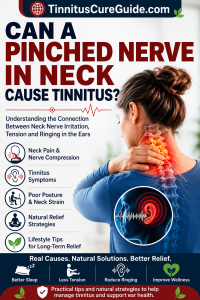
Can A Pinched Nerve In Neck Cause Tinnitus? What Many People Overlook About Ringing Ears
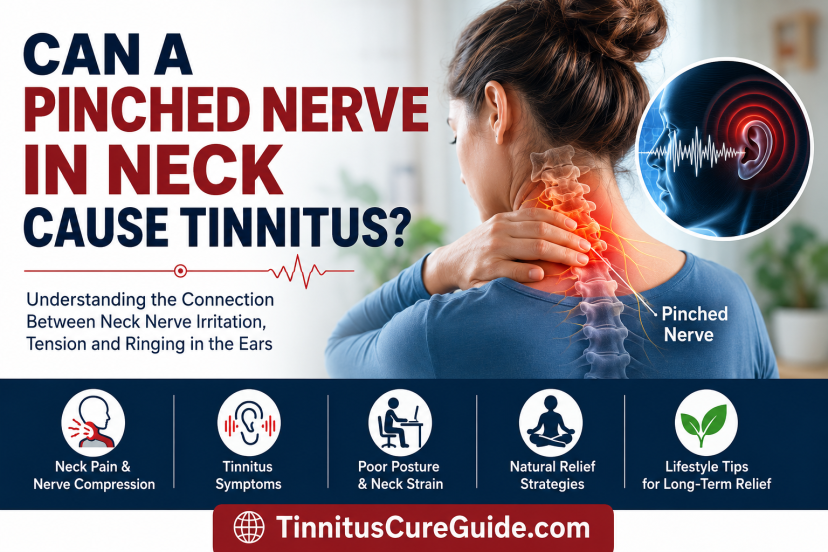
Tinnitus can feel frustrating, exhausting, and sometimes even isolating. The constant ringing, buzzing, humming, or whooshing sounds may interrupt sleep, increase anxiety, reduce concentration, and make daily life harder than it should be. For some people, tinnitus seems to appear alongside neck pain, stiffness, headaches, or shoulder tension. This often leads to an important question: Can a pinched nerve in neck cause tinnitus? In some cases, the answer may be yes.
Research suggests that nerve irritation, cervical spine problems, muscle tension, posture issues, and inflammation in the neck may influence tinnitus symptoms in certain people. This is especially true with a condition known as somatic tinnitus, where body movement or muscle tension affects ear ringing.
The encouraging news is that many people find relief through posture correction, stress management, physical therapy, relaxation techniques, sound therapy, and healthy daily habits.
⭐ Quick Answer: Can A Pinched Nerve In Neck Cause Tinnitus?
Yes, a pinched nerve in the neck may contribute to tinnitus symptoms in some people. Nerve irritation, cervical spine tension, muscle tightness, inflammation, and poor posture can affect nerve signaling and blood flow connected to the auditory system. Addressing neck strain, stress, and muscle tension may help reduce tinnitus flare-ups naturally.
Key Takeaways
Most likely cause: When tinnitus changes with neck position or movement, muscle tension, cervical joint problems, posture, or other somatic influences may be contributing. A pinched nerve is only one possible explanation.
Usually serious? Usually not, but tinnitus should not automatically be blamed on the neck. Sudden hearing loss, new one-sided tinnitus, pulsatile tinnitus, severe dizziness, or neurological symptoms should be evaluated promptly by a healthcare professional.
First thing to check: Notice whether your tinnitus changes when you turn your head, move your neck, clench your jaw, or change posture. If you’re wondering whether a pinched nerve in the neck can cause tinnitus, a medical and hearing evaluation can help identify possible causes.
Best solution: Treatment depends on the underlying cause. When neck or musculoskeletal problems contribute to tinnitus, professionally guided physical therapy, posture improvements, appropriate movement, stress management, and established tinnitus-management strategies may help reduce symptoms.
🔎 How Neck Problems May Affect Tinnitus
The neck contains important nerves, muscles, joints, and blood vessels connected to the head and ears.
When a nerve becomes compressed or irritated, it may affect nearby structures involved in:

- Hearing perception
- Balance
- Muscle tension
- Jaw movement
- Blood circulation
- Nervous system signaling
This is why some people notice tinnitus worsening during:
- Neck stiffness
- Poor posture
- Stress
- Long computer sessions
- Sleeping awkwardly
- Shoulder tension
- Head movement
In certain cases, treating neck pain may help reduce tinnitus intensity.
Common symptoms linked to neck-related tinnitus include:
- Ringing in one or both ears
- Neck pain and stiffness
- Shoulder tightness
- Tension headaches
- Jaw discomfort
- Dizziness
- Ear pressure
- Tingling sensations
Not everyone with tinnitus has a neck-related cause, but the connection is more common than many people realize.
🧠 What Is Somatic Tinnitus?
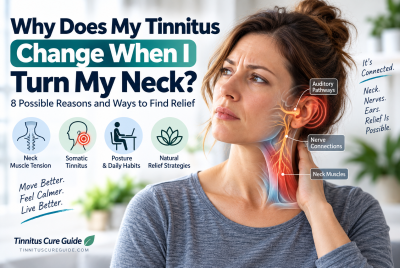
Somatic tinnitus refers to tinnitus affected by movement, muscle tension, or sensory input from the body.
People with somatic tinnitus may notice that sounds change when they:
- Turn their head
- Clench their jaw
- Stretch their neck
- Move their shoulders
- Press on the facial muscles
Researchers believe sensory nerves from the neck and jaw may interact with auditory pathways in the brain.
Signs of somatic tinnitus may include:
- Ringing, changing pitch or volume during movement
- Symptoms worsening with stress
- Neck pain alongside tinnitus
- Jaw tightness or TMJ symptoms
- Headaches with ear ringing
This type of tinnitus is often connected to muscle tension, cervical spine problems, or posture-related strain.
💥 Common Causes Of A Pinched Nerve In The Neck
A pinched nerve happens when surrounding tissues place pressure on a nerve.
This pressure may come from:
- Herniated discs
- Arthritis
- Bone spurs
- Muscle tightness
- Poor posture
- Neck injuries
- Repetitive strain
Modern lifestyle habits also play a major role.
Common triggers include:
- Looking down at phones for hours
- Working at a laptop without support
- Sleeping in awkward positions
- Stress-related muscle tension
- Heavy lifting
Many Americans spend long hours at desks, increasing strain on the cervical spine and upper shoulders.
📱 Poor Posture And “Tech Neck”
One of the biggest overlooked causes of neck-related tinnitus is posture.
“Tech neck” happens when the head leans forward for extended periods.
This posture may:
- Tighten neck muscles
- Compress nerves
- Increase shoulder tension
- Strain the upper spine
- Trigger headaches
- Worsen tinnitus awareness
Even mild forward head posture can place extra pressure on the neck.
Helpful posture habits include:
- Keeping screens at eye level
- Taking stretch breaks
- Relaxing the shoulders
- Supporting the lower back
- Avoiding slouching
Small posture improvements may help reduce daily strain over time.
😰 Stress, Anxiety, And Muscle Tension
Stress is one of the most common tinnitus triggers.
When stressed, many people unknowingly tighten:
- Neck muscles
- Jaw muscles
- Shoulders
- Upper back muscles
This tension may worsen both pain and tinnitus symptoms.
Stress may also:
- Increase nervous system sensitivity
- Raise cortisol levels
- Disrupt sleep
- Increase sound awareness
- Intensify anxiety about tinnitus
This often creates a cycle:
Stress → muscle tension → tinnitus spike → more stress.
Breaking this cycle is a major part of tinnitus management naturally.
🌿 Natural Ways To Manage Neck-Related Tinnitus
Gentle stretching and mobility exercises
Stretching may help reduce tension around the cervical spine.
Helpful exercises may include:
- Neck stretches
- Shoulder rolls
- Chin tucks
- Chest-opening stretches
- Upper back mobility work
Gentle movement often works better than aggressive stretching.
Consistency matters more than intensity.

Physical therapy and posture support
Physical therapists may help improve:
- Neck mobility
- Muscle balance
- Shoulder alignment
- Posture habits
- Ergonomic setup
Some people experience tinnitus improvement after reducing neck tension and correcting posture patterns.
Supportive tools may include:
- Ergonomic chairs
- Standing desks
- Cervical pillows
- Monitor risers
Relaxation techniques
Relaxation helps calm the nervous system and reduce stress-related tinnitus spikes.
Helpful methods include:
- Deep breathing
- Meditation
- Guided imagery
- Progressive muscle relaxation
- Mindfulness exercises
Popular U.S. apps include:
- Calm
- Headspace
- Insight Timer
Relaxation may not eliminate tinnitus completely, but it often reduces how intrusive it feels.
🎧 Sound Therapy For Tinnitus Relief
Silence often makes tinnitus seem louder.
Sound therapy uses background noise to reduce awareness of ringing or buzzing.
Popular options include:
- White noise machines
- Rain sounds
- Ocean sounds
- Soft music
- Fans
- Sleep sound apps
Many hearing devices also include tinnitus masking features.
Popular U.S. products include:
- LectroFan white noise machines
- ReSound Relief app
- Widex Zen therapy
- Bose sleep audio products
Many people report better sleep with a soft background sound overnight.
🥗 Supplements That May Support Ear And Nerve Health
Some supplements are commonly used to support tinnitus management naturally.
Results vary, but certain nutrients may support nerve and circulation health.
Magnesium
Magnesium may help:
- Relax muscles
- Support nerve function
- Improve sleep quality
- Reduce stress-related tension
Magnesium-rich foods include:
- Almonds
- Spinach
- Pumpkin seeds
- Avocados
Vitamin B12
Vitamin B12 supports:
- Nerve health
- Brain function
- Energy production
Low B12 levels may contribute to neurological symptoms in some individuals.
Common sources include:
- Fish
- Eggs
- Dairy
- Lean meats
Ginkgo biloba
Ginkgo biloba is widely discussed in tinnitus support.
Some believe it may help:
- Blood circulation
- Oxygen delivery
- Cognitive function
Research results are mixed, but some people report gradual improvements over time.
Always speak with a healthcare provider before starting supplements.
😴 Why Sleep Quality Matters For Tinnitus
Poor sleep can significantly worsen tinnitus awareness.
Lack of sleep may:
- Increase stress hormones
- Reduce coping ability
- Heighten sound sensitivity
- Increase irritability
Helpful sleep habits include:
- Keeping a consistent bedtime
- Avoiding caffeine late at night
- Stretching before bed
- Using calming sounds
- Limiting screen time before sleep
A supportive cervical pillow may also help reduce neck strain overnight.
🏃 Lifestyle Habits That May Help Reduce Tinnitus Flare-Ups
Small daily habits may improve overall symptom management.
Helpful habits include:
- Staying hydrated
- Exercising regularly
- Managing stress
- Protecting hearing from loud noise
- Taking posture breaks
- Limiting excessive alcohol
- Avoiding smoking
Some people also explore:
- Massage therapy
- Acupuncture
- Heat therapy
- Chiropractic evaluation
- Yoga
Results vary from person to person, but consistency often matters most.
⚠️ When To See A Doctor About Neck Pain And Tinnitus
You should contact an ENT, audiologist, or healthcare provider if you experience:
- Sudden hearing loss
- Severe dizziness
- One-sided tinnitus
- Pulsing or heartbeat sounds
- Significant neck injury
- Persistent numbness
- Weakness in the arms
- Sudden tinnitus worsening
- Severe headaches
Medical evaluation may include:
- Hearing tests
- Imaging scans
- Neurological evaluation
- Cervical spine assessment
- TMJ evaluation
Early diagnosis is important if symptoms appear suddenly or worsen rapidly.
❓ FAQs About Pinched Nerves And Tinnitus
Can cervical spine problems cause tinnitus?
Yes, cervical spine issues may contribute to somatic tinnitus in some individuals by affecting nerves, muscles, and blood flow connected to hearing pathways.
Can neck tension make tinnitus worse?
Yes, tight neck muscles and stress-related tension may increase tinnitus awareness or trigger symptom flare-ups.
Can fixing posture help tinnitus?
Some people report improvement after correcting posture and reducing neck strain, especially if symptoms are linked to muscle tension.
Can a chiropractor help with tinnitus caused by neck problems?
Some individuals report relief after chiropractic or physical therapy care, though results vary. Always consult a qualified healthcare provider first.
Is tinnitus from a pinched nerve permanent?
Not always. In some cases, symptoms improve after reducing nerve irritation, muscle tension, or posture-related strain.
Can sleeping position affect tinnitus?
Yes, poor neck support during sleep may increase muscle tension and aggravate tinnitus symptoms in some people.
What is the best exercise for neck-related tinnitus?
Gentle stretching, posture exercises, walking, and physical therapy routines are commonly recommended. Avoid aggressive neck movements without professional guidance.
🎯 Conclusion: Can A Pinched Nerve In Neck Cause Tinnitus?
So, can a pinched nerve in the neck cause tinnitus? For some people, the answer appears to be yes. Neck tension, poor posture, muscle tightness, stress, and cervical spine problems may all contribute to tinnitus symptoms and make ringing more noticeable.
The good news is that many healthy habits may help support relief naturally:
- Improving posture
- Reducing stress
- Stretching regularly
- Supporting sleep quality
- Using sound therapy
- Managing muscle tension
- Staying consistent with self-care
Tinnitus management is often a gradual process, not an overnight fix. Small improvements over time can help you feel calmer, sleep better, and regain confidence in daily life.
If symptoms persist or worsen, seeking professional medical guidance is always the safest next step.
Disclaimer: This article is for informational purposes only and does not replace medical advice, diagnosis, or treatment. Always consult a qualified healthcare professional regarding tinnitus, hearing changes, or persistent pain symptoms.
 Explore more:
- Tinnitus After Ear Infection
- What Does Tinnitus Sound Like?
- Tinnitus Pronounce: How To Say It Correctly