TMJ Tinnitus Jaw Neck: How Jaw & Neck Alignment May Trigger Ear Ringing (And How To Fix It)
🔊 When Tinnitus Isn’t Just About The Ears
If you live with tinnitus, you already know how draining it can be. The ringing, buzzing, or whooshing sound can make sleep harder, increase anxiety, and make quiet environments feel uncomfortable. Many people search for ear-related causes — but sometimes, the trigger is outside the ear.
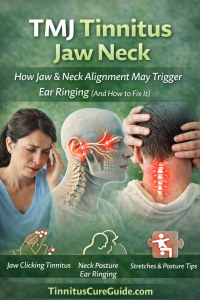
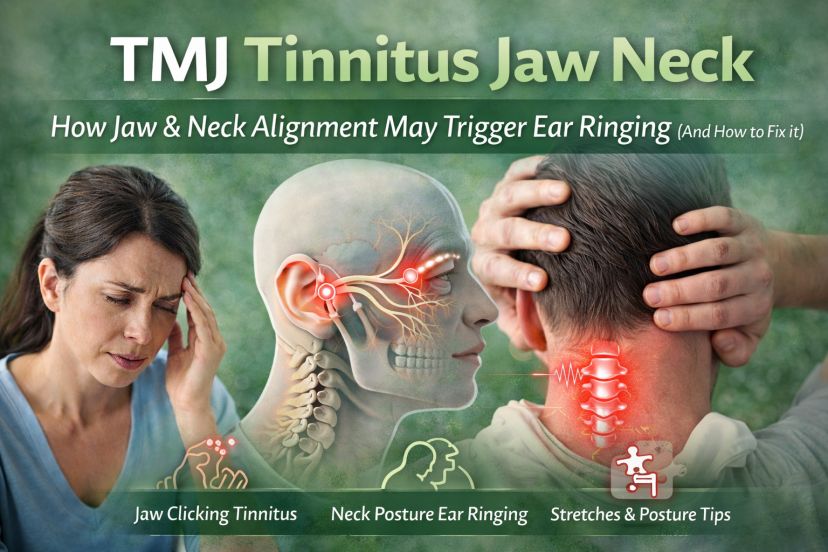
For some individuals, TMJ tinnitus jaw neck tension plays a major role. Tight jaw muscles, poor neck posture, or TMJ dysfunction can affect nerves and muscles connected to the auditory system.
This article explains how jaw clicking tinnitus, neck posture ear ringing, and TMJ disorder tinnitus can influence symptoms — plus practical ways to reduce tension and support healing.
🌿 What Is TMJ Tinnitus Jaw Neck Connection?
The temporomandibular joint (TMJ) connects your jaw to your skull and sits very close to the ear canal and auditory nerves.
When the TMJ or surrounding muscles are tight or inflamed, they can:
-
Affect ear pressure sensation
-
Irritate nearby nerves
-
Change sound processing signals
-
Increase tinnitus awareness
Because of this close anatomical relationship, TMJ tinnitus jaw neck dysfunction can create or worsen tinnitus symptoms in some people.
🧠 Why Jaw And Neck Tension Can Trigger Ear Ringing
The jaw, neck, and ear share nerve pathways — especially through the trigeminal nerve and cervical nerves.
How Somatosensory Tinnitus Works
Somatosensory tinnitus occurs when physical movement or muscle tension changes tinnitus’s loudness or pitch.
Common signs include:
-
Tinnitus changes when you clench your jaw
-
Sound changes when turning the neck
-
Jaw clicking tinnitus with ear fullness
-
Neck stiffness linked to ear ringing
Many patients with TMJ tinnitus jaw neck patterns notice that symptoms fluctuate throughout the day.
💆♂️ TMJ Disorder Tinnitus: Common Causes
Main TMJ And Jaw Triggers
-
Teeth grinding (Bruxism)
-
Jaw clenching during stress
-
Poor bite alignment
-
Injury to the jaw joint
-
Chronic stress muscle tension
Neck Posture Ear Ringing Triggers
-
Forward head posture
-
Long screen time
-
Poor pillow support
-
Desk posture strain
These triggers can increase TMJ tinnitus jaw neck nerve sensitivity.
🔊 Symptoms Of TMJ Tinnitus Jaw Neck Dysfunction
Jaw-Related Symptoms
-
Jaw clicking tinnitus
-
Jaw popping or locking
-
Facial muscle soreness
-
Ear pressure sensation
Neck-Related Symptoms
-
Neck stiffness
-
Shoulder tension
-
Headaches
-
Tinnitus is louder after long sitting
🧘♀️ Stretches To Reduce TMJ Tinnitus Jaw Neck Tension
Jaw Release Exercise
-
Place tongue on the roof of the mouth
-
Let teeth separate slightly
-
Relax jaw muscles
-
Hold for 30 seconds
Repeat 3–5 times daily.
Neck Alignment Stretch
-
Sit tall with shoulders relaxed
-
Gently pull chin back (Not down)
-
Hold 5 seconds
-
Repeat 10 times
This supports neck posture and ear ringing reduction.
Upper Trap Release Stretch
-
Tilt your head to one side
-
Hold gently for 20 seconds
-
Switch sides
Helps reduce TMJ disorder, tinnitus, and muscle tension.
🌿 Posture Correction For TMJ Tinnitus Jaw Neck Relief
Daily Posture Habits
-
Screen at eye level
-
Support the lower back when sitting
-
Avoid phone “Text neck” position
-
Use ergonomic chairs
Posture improvements can reduce TMJ tinnitus jaw neck strain.
💊 Supplements That May Support Nerve And Muscle Relaxation
Commonly Used Supplements
-
Magnesium – Muscle relaxation support
-
Vitamin B12 – Nerve function support
-
Ginkgo biloba – Circulation support
These nutrients are often studied in tinnitus research for nerve and circulation health.
🔊 Combining Jaw/Neck Care With Sound Therapy
Many people combine TMJ tinnitus jaw neck care with sound masking.
Helpful Sound Therapy Options
-
White noise machines
-
Nature sound apps
-
Hearing aids with masking features
These reduce tinnitus contrast, helping brain adaptation.
🏡 Home Remedies For TMJ Disorder Tinnitus
At-Home Relief Tips
-
Warm compress on the jaw muscles
-
Gentle jaw massage
-
Stress management breathing
-
Night guard (If prescribed by dentist)
🇺🇸 U.S. Treatment Options For TMJ Tinnitus Jaw Neck
In the U.S., treatment may involve:
-
ENT specialists
-
Audiologists
-
Physical therapists
-
TMJ dentists
-
CBT therapy providers
Many clinics combine counseling and tinnitus therapy with physical treatment.
🌿 Prevention Tips For Long-Term TMJ And Neck Health
Long-Term Prevention Habits
-
Avoid chewing gum excessively
-
Manage stress, jaw clenching
-
Maintain a healthy sleep posture
-
Exercise neck mobility daily
-
Protect hearing from loud noise
Consistent care helps reduce TMJ tinnitus jaw neck flare-ups.
How Did I Cure My Tinnitus In TMJ?
Some people report major improvement in tinnitus after treating underlying TMJ problems. In many cases, tinnitus linked to TMJ improves when jaw tension, bite alignment, and muscle inflammation are addressed.
Treatments may include TMJ therapy, night guards for teeth grinding, jaw and neck physical therapy, posture correction, and stress reduction. Some also support recovery with magnesium, vitamin B12, or relaxation techniques.
While TMJ treatment doesn’t cure tinnitus for everyone, reducing jaw strain can lower nerve irritation near the ear and reduce ringing intensity. If you suspect TMJ-related tinnitus, a dentist, TMJ specialist, or ENT can help confirm the cause and guide treatment safely.
🚨 When To See A Doctor Or Audiologist
Seek medical evaluation if tinnitus:
-
Starts suddenly
-
Occurs only in one ear
-
Comes with hearing loss
-
Causes dizziness or balance problems
-
Pulses with heartbeat
-
Follows injury or accident
TMJ dentists or physical therapists may help if jaw or neck symptoms are present.
❓ FAQs About TMJ Tinnitus Jaw Neck
1. Can TMJ really cause tinnitus?
Yes. TMJ inflammation and muscle tension can affect nerves linked to hearing and trigger tinnitus symptoms.
2. How do I know if my tinnitus is jaw-related?
If tinnitus changes when you move your jaw or neck, it may be somatosensory.
3. Can fixing posture reduce tinnitus?
For some people, improving neck posture and ear ringing triggers can reduce symptoms.
4. Does jaw clicking tinnitus mean TMJ disorder?
Not always, but it may suggest joint misalignment or muscle tension.
5. Can a night guard help TMJ tinnitus?
Yes. It may reduce grinding and jaw strain.
6. Is TMJ tinnitus permanent?
Many cases improve when the underlying TMJ or muscle issue is treated.
7. Should I see a dentist or ENT first?
If jaw pain or clicking exists, start with a TMJ dentist. If hearing symptoms dominate, see ENT first.
🌿 Final Thoughts: Small Changes Can Make A Big Difference
Tinnitus can feel overwhelming, but identifying triggers like TMJ tinnitus jaw neck tension can open new paths to relief.
Posture correction, jaw relaxation, stress reduction, and therapy support can all help reduce tinnitus distress over time.
Consistency matters. Small daily improvements often lead to long-term progress.
⚠️ Medical Disclaimer
This article is for informational purposes only and is not medical advice. Always consult a qualified healthcare professional before starting treatments, supplements, or therapy.
 Explore more:
Explore more: