Tinnitus In One Ear Only: What It Could Mean (2026 Guide)

If you’re hearing ringing, buzzing, or a high-pitched sound in only one ear, it can feel more concerning than general tinnitus.
You might be wondering:
- Why is it only happening on one side?
- Is this something serious?
While one-sided tinnitus is often harmless, it can sometimes point to specific underlying causes that are worth understanding.
The key is knowing when it’s something to monitor — and when it’s a good idea to get it checked.
In this guide, you’ll learn what tinnitus in one ear can mean, common causes, warning signs, and what to do next.
⚡ Quick Answer: Tinnitus In One Ear Only
Tinnitus in one ear can be caused by factors such as earwax buildup, hearing changes, or noise exposure. However, persistent or sudden one-sided tinnitus should be evaluated by a healthcare professional to rule out underlying conditions.

Key Takeaways
Most likely cause: Tinnitus in one ear only may be related to earwax buildup, noise exposure, hearing changes, congestion, or other conditions affecting one ear.
Usually serious? Often not, but persistent, sudden, or worsening one-sided tinnitus deserves medical attention, particularly when accompanied by hearing loss, dizziness, or other new symptoms.
First thing to check: Consider whether the tinnitus started after loud noise exposure, an ear infection, congestion, medication changes, or noticeable changes in your hearing.
Best solution: Avoid excessive noise and arrange a hearing or medical evaluation if the tinnitus persists, appears suddenly, or is accompanied by other concerning symptoms.
🧠 What Is One-Sided Tinnitus?
One-sided tinnitus, also called unilateral tinnitus, means you hear sound in only one ear.
It may feel like:
- Ringing
- Buzzing
- Hissing
- Pulsing
It can be constant or come and go.
🔍 Why One Ear Instead Of Both?
Tinnitus can affect one ear if something is happening specifically on that side.
This might include:
- A localized issue in the ear
- A difference in hearing between the ears
- Physical or neurological factors
That’s why one-sided tinnitus often deserves closer attention.
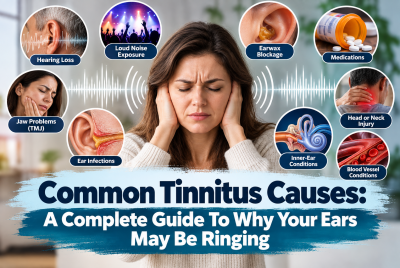
🔊 Common Causes Of Tinnitus In One Ear
🧱 1. Earwax Buildup (Very Common)
A blockage in one ear can change how sound is processed.
✔️ Signs
- Fullness in the ear
- Reduced hearing on one side
- Sudden onset
Removing the blockage may improve symptoms.
🔊 2. Noise Exposure (One-Sided)
If one ear is exposed more than the other, tinnitus may appear on that side.
✔️ Examples
- Using one earbud frequently
- Sitting near a loud noise on one side
- Occupational exposure
This can lead to uneven hearing stress.
🧠 3. Hearing Loss In One Ear
Hearing loss does not always affect both ears equally.
✔️ Signs
- Difficulty hearing on one side
- Tinnitus in the same ear
- Needing to turn your head to hear better
The brain may compensate by creating tinnitus perception.
🌀 4. Inner Ear Conditions
Certain inner ear issues can affect one ear more than the other.
✔️ Possible Signs
- Dizziness or balance problems
- Pressure or fullness
- Fluctuating symptoms
These may require medical evaluation.
🧘 5. Jaw Or Neck Tension
Tension in the jaw (TMJ) or neck can influence tinnitus on one side.
✔️ Signs
- Pain or stiffness
- Clicking in the jaw
- Tinnitus changes with movement
This is sometimes called somatic tinnitus.
💊 6. Temporary Factors
Other short-term causes may include:
- Stress
- Fatigue
- Minor ear irritation
These often improve on their own.
⚠️ When One-Sided Tinnitus Needs Medical Attention
Some cases should not be ignored.
🚨 See A Doctor If You Have:
- Sudden onset in one ear
- Hearing loss on the same side
- Dizziness or balance issues
- Persistent symptoms (more than a few days/weeks)
- Pulsing sound in sync with your heartbeat
These signs may require further evaluation.
🇩🇪 What To Do In Germany (Step-By-Step)
🩺 Step 1: Visit A Hausarzt
- Initial check
- Referral if needed
👂 Step 2: See An ENT Specialist (HNO)
- Ear examination
- Hearing test (audiometry)Diagnosis
🔍 Step 3: Further Testing (If Needed)
- Imaging or advanced diagnostics
- Balance tests
Germany’s system is structured and accessible.
🧠 How Doctors Evaluate One-Sided Tinnitus
Doctors may look at:
- Hearing levels in each ear
- Physical ear condition
- Symptom history
- Associated signs (dizziness, pressure)
The goal is to rule out serious causes and guide treatment.
🧘 What You Can Do Right Now
While waiting for evaluation, or if symptoms are mild:
🔊 Add Background Sound
- Use white noise or soft music
- Avoid silence
🧘 Reduce Stress
- Practice breathing exercises
- Relax your body
🔇 Avoid Loud Noise
- Give your ears time to recover
🪑 Check Posture And Tension
- Stretch neck and shoulders
- Relax jaw
These steps may reduce symptom intensity.
🧩 Real-Life Scenario
Imagine this:
You notice ringing in your right ear only.
At first, it’s mild — but persistent.
You get a hearing test and find slight hearing differences.
With proper support and sound therapy, the tinnitus becomes less noticeable.

This is a common and manageable situation.
📊 Expectation vs Reality
- Expectation: One-sided tinnitus is always serious
- Reality: Many cases are harmless
- Expectation: It will get worse
- Reality: Many cases stabilize or improve
🧠 Long-Term Outlook
With proper care:
- Tinnitus often becomes less noticeable
- The brain adapts over time
- Management strategies help
Early awareness supports better outcomes.
✅ Self-Assessment Checklist
- Is tinnitus only in one ear?
- Did it start suddenly?
- Do you have hearing differences?
- Is it persistent?
These questions help guide your next step.
❓ FAQs: Tinnitus In One Ear
1. Is tinnitus in one ear serious?
Not always, but it should be evaluated if it is sudden, persistent, or accompanied by other symptoms.
2. Can earwax cause tinnitus in one ear?
Yes, a blockage can affect one ear and lead to tinnitus.
3. Should I see a doctor for one-sided tinnitus?
It’s a good idea to see a doctor, especially if symptoms are new or ongoing.
4. Can stress cause tinnitus in one ear?
Stress can influence tinnitus perception, but one-sided symptoms may have additional causes.
5. Will tinnitus in one ear go away?
In some cases, yes — especially if caused by temporary factors.
🏁 Conclusion – Tinnitus In One Ear Only
Tinnitus in one ear can feel more concerning — but in many cases, it has manageable causes.
The key is knowing when to monitor symptoms and seek medical advice.
With the right approach, many people find that one-sided tinnitus becomes far less intrusive over time.
Disclaimer
This content is for informational purposes only and is not medical advice. If you experience persistent or worsening symptoms, consult a qualified healthcare professional.
 Explore more:
- Tinnitus And Cortisol Levels
- Tinnitus Specialist Near Me
- Why Tinnitus Gets Louder In Quiet Bedrooms At Night