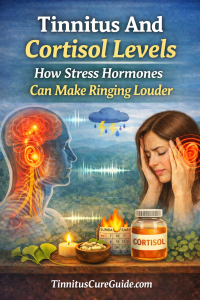
Tinnitus And Cortisol Levels: How Stress Hormones Can Make Ringing Louder
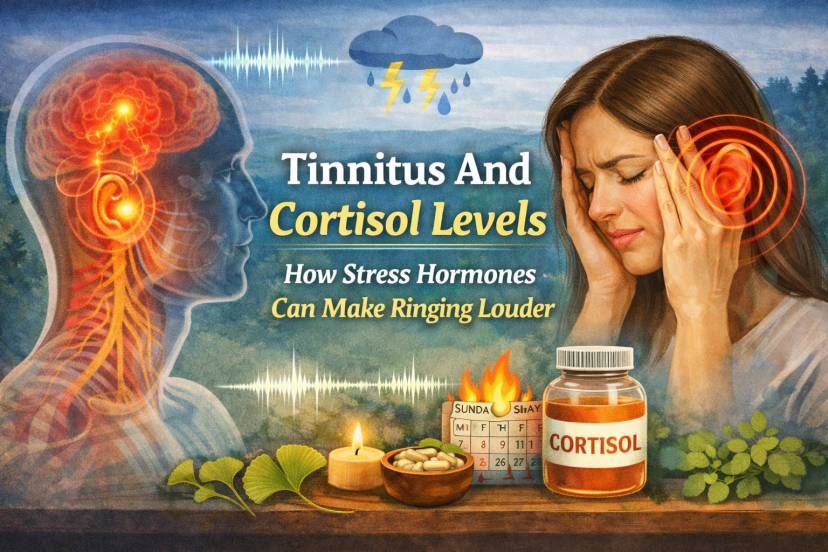
😰 When Stress Makes Tinnitus Harder To Ignore
Living with tinnitus can feel like a daily battle. The ringing, buzzing, hissing, or whooshing sounds don’t just affect your ears — they affect your sleep, mood, focus, and emotional well-being. Many people notice that tinnitus feels louder during stressful periods, at night, or when they’re exhausted.
If that sounds familiar, there’s a reason.
The connection between tinnitus and cortisol levels plays a major role in how intense and persistent tinnitus feels. Cortisol is your body’s primary stress hormone, and when it stays elevated for too long, it can amplify tinnitus perception and keep your nervous system stuck in high alert.
The good news? Understanding this link gives you real tools to calm your body, lower stress hormones, and reduce how intrusive tinnitus feels.
🔊 Tinnitus And Cortisol Levels: Understanding The Connection
Cortisol is a hormone released by the adrenal glands in response to stress. It’s designed to help you react quickly to danger — but chronic stress keeps cortisol elevated far longer than intended.
When discussing tinnitus and cortisol levels, researchers and clinicians focus on how stress hormones affect the auditory system and brain processing centers.
How Cortisol Affects Tinnitus
• Increases nervous system sensitivity
• Amplifies sound perception in the brain
• Disrupts sleep and recovery
• Heightens emotional response to noise
Instead of filtering out tinnitus, the brain becomes more alert to it. This is why stress doesn’t just trigger tinnitus — it often makes it feel louder and harder to ignore.
💡 What Happens When Cortisol Stays High
Short bursts of cortisol are normal. Chronic elevation is not.
When cortisol remains high for weeks or months, it can interfere with blood flow, nerve signaling, and inflammation levels, all of which influence tinnitus severity.
Effects Of Chronic High Cortisol
• Increased anxiety and hypervigilance
• Reduced sound tolerance
• Poor sleep quality
• Slower nervous system recovery
This creates a feedback loop where tinnitus causes stress, stress raises cortisol, and higher cortisol worsens tinnitus.
🔍 Common Signs Your Tinnitus Is Stress-Related
Not all tinnitus is driven by cortisol, but many people experience stress-sensitive symptoms.
Stress-Linked Tinnitus Clues
• Ringing worsens during anxiety
• Symptoms spike at night
• Tinnitus increases after poor sleep
• Ringing calms during relaxation
If your tinnitus fluctuates with emotional or physical stress, tinnitus and cortisol levels are likely playing a role.
🧠 How The Brain Amplifies Tinnitus Under Stress
The auditory system is closely connected to the limbic system, the brain’s emotional center. Cortisol directly influences this area.
When stress hormones are high, the brain labels tinnitus as a threat, keeping it front and center in your awareness.
This explains why two people with the same tinnitus volume can experience it very differently — emotional response matters as much as sound intensity.
🔊 Medical Perspective On Tinnitus And Cortisol Levels
While there is no single blood test used to diagnose stress-related tinnitus, many ENT specialists and audiologists recognize the cortisol connection.
Medical Observations
• Stress worsens tinnitus perception
• Anxiety treatment often improves tinnitus
• Sleep restoration reduces symptom intensity
In the U.S., tinnitus clinics increasingly include stress management and cognitive therapies alongside hearing evaluations.
🌿 Natural Ways To Lower Cortisol And Calm Tinnitus
Lowering cortisol doesn’t happen overnight, but small daily changes create meaningful improvement over time.
Natural Cortisol-Lowering Strategies
• Regular sleep schedules
• Gentle daily movement
• Balanced blood sugar
• Nervous system calming practices
Consistency is more important than intensity.
🧘♀️ Stress Reduction Techniques That Support Tinnitus Relief
Relaxation techniques directly influence cortisol release.
Proven Stress-Calming Methods
• Deep breathing exercises
• Progressive muscle relaxation
• Guided meditation
• Gentle yoga or stretching
Even 10–15 minutes per day can lower cortisol and reduce tinnitus reactivity.
🎧 Sound Therapy And Cortisol Regulation
Sound therapy doesn’t just mask tinnitus — it also calms the nervous system.
Helpful Sound Options
• White noise machines
• Nature sounds like rain or waves
• Tinnitus relief apps are popular in the U.S.
By reducing silence, sound therapy lowers vigilance and helps the brain stop monitoring tinnitus constantly.
💊 Supplements That May Support Cortisol Balance
Certain supplements are commonly used to support stress regulation and nerve health.
Commonly Used Supplements
• Magnesium for relaxation
• Vitamin B12 for nerve support
• Ginkgo biloba for circulation
Always consult a healthcare provider before starting supplements, especially if you take medications or have adrenal conditions.
🥗 Nutrition And Blood Sugar Stability
Blood sugar crashes can trigger cortisol release.
Dietary Tips For Stress Reduction
• Eat balanced meals with protein
• Avoid excessive caffeine
• Limit refined sugar
• Stay hydrated
Stable blood sugar supports calmer cortisol rhythms and steadier tinnitus perception.

🛌 Sleep, Cortisol, And Tinnitus Severity
Poor sleep raises cortisol levels the following day.
Sleep Support Strategies
• Keep consistent bedtimes
• Use sound therapy at night
• Limit screens before bed
• Create a dark, cool sleep space
Improving sleep quality is one of the most effective ways to lower cortisol and reduce tinnitus distress.
🧘♀️ Lifestyle Habits That Support Long-Term Relief
Daily habits shape your nervous system response.
Helpful Lifestyle Changes
• Gentle exercise like walking
• Time outdoors and sunlight
• Reduced screen overload
• Mindful stress boundaries
These habits don’t cure tinnitus — but they dramatically change how manageable it feels.
🩺 When To See A Doctor For Tinnitus And Stress
You should consult an ENT or audiologist if:
• Tinnitus worsens suddenly
• Hearing loss develops
• Anxiety or sleep disruption becomes severe
• Tinnitus affects mental health
Medical evaluation helps rule out underlying causes and guide proper treatment.
❓ FAQs About Tinnitus And Cortisol Levels
Can stress hormones really make tinnitus louder?
Yes. Elevated cortisol increases nervous system sensitivity, amplifying tinnitus perception.
Does lowering stress reduce tinnitus permanently?
Stress reduction often reduces severity, but results vary depending on underlying causes.
Can cortisol cause tinnitus by itself?
Cortisol typically does not cause tinnitus on its own, but it can worsen existing symptoms.
Is morning tinnitus related to cortisol?
Yes. Cortisol naturally peaks in the morning, which may increase tinnitus awareness.
Do anxiety medications help tinnitus?
They may help indirectly by reducing stress response and cortisol levels.
Can exercise lower cortisol and tinnitus?
Yes. Moderate exercise helps regulate stress hormones and nervous system balance.
What is the fastest way to calm cortisol-related tinnitus?
Deep breathing, sound therapy, and rest are often the quickest relief tools.
✅ Conclusion: Calming Cortisol Helps Calm Tinnitus
Understanding the link between tinnitus and cortisol levels gives you power. When tinnitus feels louder during stress, it doesn’t mean damage is worsening — it means your nervous system needs care.
By calming stress hormones, improving sleep, and supporting your body consistently, tinnitus often fades into the background instead of dominating your day.
Relief comes through patience, not force. Your nervous system can learn calm down again.
⚠️ Medical Disclaimer
This content is for informational purposes only and does not replace professional medical advice. Always consult a qualified healthcare provider for diagnosis and treatment of tinnitus.
 Explore more:
- Can Shoulder Pain Cause Tinnitus?
- Tinnitus Specialist Near Me
- Why Tinnitus Gets Louder In Quiet Bedrooms At Night