Dormant Virus Found in 95% of People Causes Hearing Loss and Tinnitus
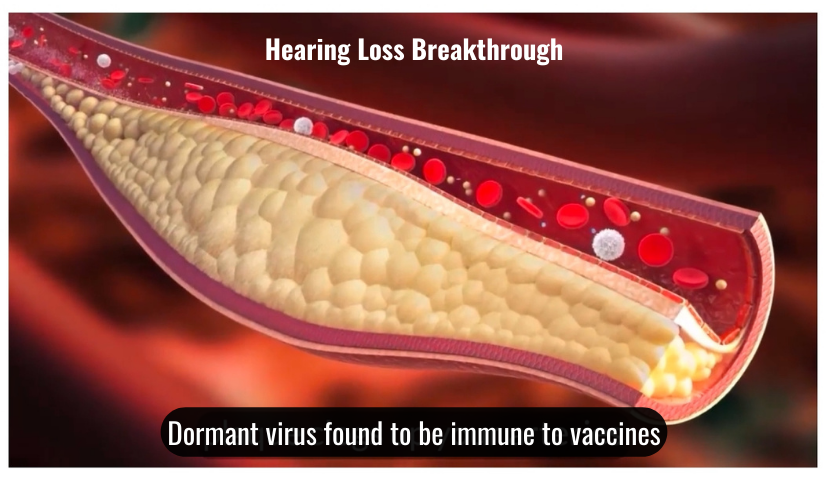
We recently discovered what really causes hearing loss and tinnitus and we found it in 95% of the people. Discover a completely natural and inexpensive solution that allows you to turn up the volume to 100% in your ears again.
A method so powerful, it broke the medical world in half and had more than a dozen pharma execs fired, merely a week after this site went live on the internet.
This solution not only restores your hearing but also clears that ringing in your head. It helps you regain your focus, energy, and productivity while shielding you against brain diseases such as memory loss, dementia, and other dangerous brain disorders.
I’ll show you what really causes hearing loss and tinnitus and the real location where it starts
HINT: It has nothing to do with your brain or your ears
The actual reason why more than 50% of all hearing loss sufferers also get tinnitus (which is something you should never ignore!)
And how using this easy-to-follow solution is the sole key to restoring your hearing to full volume, stopping tinnitus, and armor-plate yourself against brain diseases – such as memory loss, dementia, or other dangerous brain problems.
No matter if you’re in your prime years or in your 80s, no matter if your hearing is at 70%, 60% or even all the way down to 20% of what it used to be, no matter if you’ve been living with hearing loss or tinnitus for weeks or decades.
And no matter what your current medical condition is.
Just imagine getting rid of that nagging worry about becoming a burden to your family.
Your days will be full of happiness and joy, and every morning, when you wake up, you’ll hear the world in a clear, beautiful sound at 100% normal volume.
There will be no more trouble sleeping, headaches, or second-guessing what people are saying.
No more feeling alone and depressed all the time…
No more ringing, hushing, buzzing or whooshing inside your head…
And no more constantly asking your friends and family to repeat themselves, or say “what?” all the time…
You’ll be stress and worry free, and you’ll enjoy every moment of your life, together with your loved ones, just like you were always meant to.
Thousands of people are taking advantage of this incredible breakthrough to restore their hearing and increase overall health.
It works so well the pharmaceutical industry is trying to keep it hidden from the public and the following video could be removed at any time.
If you haven’t seen the viral video yet, click the blue watch now button below and watch this short, free, life-changing video before it’s gone.

Weird process to be the real cause of hearing loss and tinnitus
There’s absolutely no time to waste. Just look at some of the 180,000 people who have successfully used this method to restore their hearing and stop tinnitus in weeks.

George B, 58 years old, from Wisconsin, said: “I was depressed, lost, and unmotivated, all because of chronic hearing loss and tinnitus. I had tried everything there was to try, and nothing worked. Sure, when I saw your website, I was a little bit skeptical at first.
But things changed for me when I looked into all your research. I must say, even though it felt too good to be true, it is actually good, and it is actually true!
My hearing aid? Gone. That hellish ear ringing? Reduced to half in mere weeks and soon after gone! My memory improved, I am now able to focus better than anyone in my family, I have the energy to play with my grandkids all day long.
My family is so proud of me! And truth be told, I am proud of myself!
This is life-saving! Thank you a million times!”
Click the blue “Learn more” link below to watch this short, free video and see how thousands of people are taking advantage of this breakthrough discovery to maintain healthy hearing and live a happy life again.
💡 What Causes Hearing Loss and Tinnitus? Understanding the Most Common Reasons
Hearing loss and tinnitus often occur together, which can make people wonder whether they share the same underlying cause. Tinnitus is the perception of ringing, buzzing, humming, hissing, or other sounds when there is no corresponding external sound. Hearing loss, meanwhile, can make conversations, television, music, and everyday environmental sounds more difficult to hear clearly.
So, what causes hearing loss and tinnitus?
There isn’t one universal explanation. Hearing loss and tinnitus can develop for many reasons, including aging, repeated exposure to loud noise, earwax blockage, infections, certain medications, and conditions affecting the inner ear or auditory system. In some cases, tinnitus appears even when a standard hearing test doesn’t reveal significant hearing loss.

Understanding these possibilities is an important first step toward deciding what to do next.
Why Hearing Loss And Tinnitus Often Occur Together
The inner ear contains delicate sensory hair cells that help convert sound vibrations into electrical signals that can be interpreted by the brain.
These cells can become damaged over time through aging or excessive noise exposure. When the auditory system receives less sound information than it previously did, changes in neural activity may contribute to the perception of tinnitus.
This helps explain why many people who experience hearing loss also report ringing or buzzing in their ears.
However, tinnitus does not automatically mean that someone has permanent hearing damage. There are several other possible triggers that should be considered.
Common Causes Of Hearing Loss And Tinnitus
1. Age-Related Hearing Changes
Age-related hearing loss, sometimes called presbycusis, is extremely common. It usually develops gradually and often affects higher-frequency sounds first.
Someone may notice that people seem to mumble, conversations in noisy restaurants become harder to follow, or the television needs to be turned up louder than before.
Tinnitus can accompany these age-related changes.
2. Exposure To Loud Noise
Repeated exposure to loud sounds is another major contributor to hearing problems.
Power tools, concerts, machinery, firearms, motorcycles, and very loud headphones can expose the auditory system to potentially damaging sound levels.
A person may notice temporary ringing after a loud event. Repeated or extreme exposure, however, can contribute to longer-lasting tinnitus and hearing loss.
Protecting your ears around loud sounds is therefore one of the simplest ways to reduce preventable hearing damage.
3. Earwax Blockage
Sometimes the explanation is surprisingly straightforward.
A buildup of earwax can block the ear canal and reduce the amount of sound reaching the eardrum. Some people also experience fullness, discomfort, or tinnitus.

Because impacted earwax can resemble other hearing problems, it is generally better to have significant blockage evaluated rather than attempting to remove it aggressively yourself.
4. Ear Infections And Fluid
Middle-ear infections and fluid behind the eardrum can temporarily interfere with normal hearing.
Depending on the underlying problem, people may experience muffled hearing, pressure, discomfort, popping sensations, or tinnitus.
Hearing may improve when the infection or fluid resolves, although persistent symptoms deserve medical evaluation.
5. Certain Medications
Some medications are considered potentially ototoxic, meaning they can affect structures involved in hearing or balance.
The risk varies considerably depending on the medication, dose, duration, and individual.
If tinnitus or hearing changes begin after starting or changing a medication, talk with a healthcare professional. Don’t stop a prescribed medication without medical guidance.
Can Viruses Cause Hearing Problems?
Certain viral infections can sometimes affect hearing, directly or indirectly. Researchers continue to study the relationships between infections, inflammation, the immune system, and auditory disorders.
However, claims that one dormant virus present in nearly everyone is the proven universal cause of tinnitus or hearing loss should be treated cautiously. Current medical understanding recognizes multiple possible causes rather than a single explanation that applies to everyone.
Likewise, there is currently no established natural method guaranteed to restore everyone’s hearing to “100%” or permanently eliminate all forms of tinnitus.
When Should You Get Your Hearing Checked?
Gradual hearing changes are easy to overlook because the brain adapts to them. Family members may even notice the problem before the person experiencing it does.
Consider arranging a professional hearing evaluation if you’re frequently asking people to repeat themselves, struggling to understand conversations in background noise, increasing the television volume, or experiencing persistent tinnitus.
More urgent medical attention may be appropriate for sudden hearing loss, especially when it develops rapidly in one ear. Pulsatile tinnitus that follows your heartbeat, significant dizziness, neurological symptoms, or persistent tinnitus primarily affecting one ear should also be medically evaluated.
What Can You Do About Tinnitus And Hearing Loss?
The appropriate approach depends on what is causing the symptoms.
Treating earwax or an infection may improve symptoms when those are responsible. For permanent hearing loss, hearing aids can improve access to everyday sounds and communication for many people. Some people also find that improving hearing reduces how noticeable their tinnitus feels.
Tinnitus management may include sound therapy, hearing devices, counseling-based approaches, better sleep habits, stress management, and treatment of contributing medical conditions.
There is no single solution that works for everyone, which is why identifying the likely cause matters.
Final Thoughts
If you’re trying to understand what causes hearing loss and tinnitus, remember that both symptoms can have many possible explanations. Aging and noise exposure are common contributors, but earwax, infections, medications, inner-ear disorders, and other medical factors may also play a role.
Be cautious with claims promising a guaranteed cure or complete hearing restoration from one hidden cause. Persistent or unexplained symptoms are best evaluated by a qualified healthcare professional or audiologist who can assess your hearing and help determine the most appropriate next steps.
Disclaimer: This article is for general informational and educational purposes only and is not a substitute for professional medical advice, diagnosis, or treatment.
Click here to discover the bizarre experiment that uncovers the root cause of ear ringing and what you can do about it starting today
 Explore more: