Living With Tinnitus: A Practical Daily Coping Guide
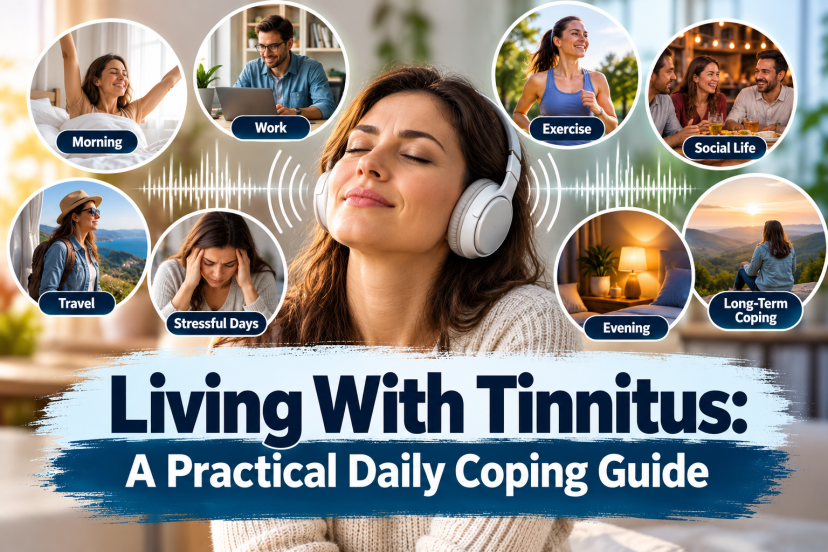
How To Make Everyday Life More Manageable
Living with tinnitus can affect far more than the moments when you actually notice ringing, buzzing, humming, or hissing in your ears. It can influence how you sleep, concentrate at work, relax in a quiet room, enjoy restaurants, travel, exercise, and respond to stressful days.
Some days, tinnitus may fade into the background and barely get your attention. On other days, the same sound can seem impossible to ignore.
That unpredictability is often one of the hardest parts.
You may wake up wondering whether today will be a “good tinnitus day.” You might hesitate before entering a noisy restaurant, worry about sitting in a silent office, or become frustrated when tinnitus seems more noticeable just as you’re trying to fall asleep.
But living well with tinnitus doesn’t necessarily require eliminating every sound, avoiding everything that might affect your symptoms, or constantly trying to make the tinnitus disappear.
For many people, a more sustainable approach is learning how to make tinnitus less important in everyday life.

That may involve protecting your hearing when sound is genuinely hazardous, using comfortable background sound when silence makes tinnitus more noticeable, improving sleep habits, managing stress, staying physically and socially active, and gradually reducing how much attention you give the sound.
This guide focuses on those everyday situations—from the moment you wake up until you go to bed—and practical ways to make them easier.
Quick Answer: How Can You Cope With Tinnitus Every Day?
Coping with tinnitus often involves a combination of sound enrichment, healthy sleep habits, stress management, hearing protection around genuinely loud noise, regular activity, and learning not to continually monitor the tinnitus.
Soft environmental sounds such as a fan, music, nature sounds, or other background noise may make tinnitus less noticeable in quiet environments. Hearing aids can sometimes help people who also have hearing loss, while counseling approaches such as cognitive behavioral therapy (CBT) can help reduce tinnitus-related distress.
Try not to organize your entire day around avoiding tinnitus. Continue working, exercising, socializing, traveling, and enjoying hobbies when you comfortably can. The goal isn’t necessarily to force yourself not to hear tinnitus. It’s to gradually make the sound less central to your daily life.
Key Takeaways
Biggest daily challenge: Tinnitus often becomes more intrusive when you’re tired, stressed, sitting in silence, or repeatedly checking whether the sound has changed.
Usually serious? Tinnitus is usually not associated with a serious medical problem, although new or concerning symptoms can deserve medical evaluation.
First thing to try: Notice which situations make tinnitus difficult for you—such as bedtime, quiet work, stressful days, or noisy social environments—and address those situations individually.
Best long-term approach: When living with tinnitus, aim to protect your hearing appropriately while continuing a normal, meaningful life. Sound enrichment, sleep, stress management, enjoyable activities, hearing support when needed, and evidence-based tinnitus care can all play a role.
Living With Tinnitus In The Morning
The first few minutes after waking can set the tone for your entire day.
Perhaps you open your eyes and immediately think:
“Is the ringing still there?”
Then you listen.
And once you’ve found the tinnitus, it can become difficult to stop listening to it.
Avoid Making Tinnitus Your First Morning Check
Checking tinnitus is understandable, particularly when symptoms fluctuate.
But repeatedly measuring it can reinforce your attention toward the sound.
Instead of lying in bed listening for tinnitus, try transitioning into your morning routine.
Open the curtains.
Get out of bed.
Take a shower.
Make breakfast.
Talk with your partner or family.
Turn on quiet music or another comfortable background sound if that helps.
The NHS advises people with tinnitus not to continually focus on it and suggests hobbies and activities that redirect attention.
Give Your Brain Something Else To Process
Morning silence can make tinnitus stand out.
You don’t necessarily need loud masking sound.
Try something gentle:
- A fan
- Quiet radio
- Soft music
- Nature sounds
- Normal household activity
The objective isn’t always to completely cover the tinnitus.
A little environmental sound may simply reduce the contrast between the tinnitus and complete silence.
Don’t Judge The Entire Day By The Morning
A louder morning doesn’t necessarily mean you’ll have a difficult day.
Tinnitus can fluctuate.
You may become busy after breakfast and realize several hours later that you haven’t thought about it.
Try not to make predictions such as:
“It’s loud this morning, so today is going to be terrible.”

Treat the morning as one moment rather than a forecast.
Build A Predictable Morning Routine
Routine can reduce the amount of attention available for tinnitus.
Your morning might include:
- Getting out of bed rather than listening to the tinnitus.
- Drinking water and eating breakfast.
- Getting dressed.
- A short walk or gentle movement.
- Starting a meaningful task.
The exact routine matters less than giving your attention somewhere useful to go.
Coping With Tinnitus At Work
Work can create two opposite tinnitus challenges.
A completely quiet office may make tinnitus easier to hear.
A noisy workplace may be tiring or potentially harmful to hearing if sound levels are excessive.
Finding the middle ground is important.
Use Gentle Background Sound In Quiet Workspaces
If you’re working from home or sitting in a silent office, try adding low-level background sound.
Options include:
- A desk fan
- Low-volume instrumental music
- Nature sounds
- Soft ambient sound
- An open window when appropriate
NIDCD notes that tabletop sound generators and other sound-based approaches can help make tinnitus less noticeable by providing relaxing background sound.
Keep it comfortable.
You don’t need to blast sound through headphones all day just to overpower tinnitus.
Work In Focused Blocks
Tinnitus can feel more intrusive when you’re mentally exhausted.
Instead of pushing through several hours without a break, consider shorter focused periods followed by brief breaks.
Stand up.
Stretch.
Walk to another room.
Look outside.
Get some water.
A few minutes away from the screen can reduce general tension and help reset your attention.
Watch For Jaw And Shoulder Tension
Stressful computer work can lead to:
- Jaw clenching
- Raised shoulders
- Neck tension
- Teeth grinding
- Poor posture
Jaw problems can be associated with tinnitus, and some people notice tinnitus changes when moving or tensing the jaw or neck.
Periodically check whether you’re clenching your jaw or holding unnecessary tension.
Protect Your Hearing When Work Is Genuinely Loud
If you work around machinery, construction equipment, power tools, amplified music, or other hazardous noise, appropriate hearing protection matters.
Long or repeated exposure to loud sound can contribute to noise-induced hearing loss and tinnitus.
Use appropriate protection where needed rather than simply tolerating damaging noise.
Living With Tinnitus In Quiet Environments
Quiet rooms can be surprisingly difficult when you have tinnitus.
When external sound disappears, tinnitus may become the most obvious sound available.
This doesn’t necessarily mean the tinnitus suddenly became physically louder.
The contrast changed.
Don’t Feel That You Must Sit In Complete Silence
Some people think they need to “train” themselves by forcing themselves to tolerate silence.
That isn’t necessary.
The NHS specifically advises against total silence for tinnitus and suggests soft sounds or music as possible ways to distract from the tinnitus.
Comfortable sound enrichment can make quiet environments easier.
Try Different Background Sounds
There is no single perfect tinnitus sound.
You might prefer:
- Rain
- Ocean waves
- A fan
- Soft music
- Birds
- White noise
- Pink noise
- Quiet conversation
- An audiobook
Experiment.
A sound that relaxes one person may irritate another.
Keep Background Sound At A Comfortable Level
You don’t necessarily need to completely mask tinnitus.
In fact, using excessively loud sound simply to drown out tinnitus may be uncomfortable and could expose your hearing to unnecessary noise.
Think of background sound as creating a richer listening environment rather than entering a volume competition with your tinnitus.
Let Normal Life Provide Sound Too
Not every quiet moment requires an app or sound machine.
Cooking creates sound.
Walking outside creates sound.
Talking with somebody creates sound.
Gardening creates sound.
A café has sound.
The goal is not to surround yourself with artificial noise every waking minute.
It’s simply useful to know that comfortable environmental sound is available when silence makes tinnitus intrusive.
Learn more: Ringing In Ears At Night
Exercise And Tinnitus
Exercise can be another area of uncertainty.
You may wonder:
“Can working out make tinnitus worse?”
For most people, tinnitus isn’t a reason to abandon normal physical activity.
Regular exercise supports general physical and mental health and can also help with stress and sleep—two areas that may influence how bothersome tinnitus feels.
Start With Activities You Enjoy
You don’t need a special “tinnitus workout.”
Consider:
- Walking
- Cycling
- Swimming
- Strength training
- Yoga
- Gardening
- Hiking
- Dancing
The best activity is often one you’ll continue doing.
Temporary Changes Don’t Always Mean Harm
During exercise, your:
- Heart rate increases
- Breathing changes
- Blood flow changes
- Muscles work harder
- Awareness of bodily sensations may increase
You may temporarily notice tinnitus differently.
That doesn’t automatically mean exercise has damaged your hearing.
Be Careful With Loud Exercise Environments
The exercise itself may not be the problem.
The environment could be.
Some fitness classes and gyms play music at very high volumes.
If the environment feels excessively loud, consider moving farther from speakers, choosing a quieter class, or using appropriate hearing protection when needed.
Pay Attention To Unusual Symptoms
A temporary awareness of ordinary tinnitus is different from new symptoms such as significant dizziness, faintness, or a persistent heartbeat-synchronized sound.
New or unusual symptoms deserve appropriate medical attention rather than being dismissed as an exercise-related tinnitus spike.
Managing Tinnitus In Social Situations
Restaurants, parties, weddings, family gatherings, and crowded rooms can create another dilemma.
You want to enjoy yourself.
But you’re also thinking about your ears.
Choose Your Environment When You Can
You don’t necessarily need to stop going to restaurants because you have tinnitus.
Instead, make small choices.
You might:
- Choose a quieter restaurant.
- Sit away from speakers.
- Avoid tables directly beside the bar.
- Meet friends at less crowded times.
- Step outside briefly if the environment becomes uncomfortable.
These changes allow you to remain socially active without ignoring your hearing.
Don’t Let Tinnitus Create Social Isolation
This is important.
If you gradually stop:
- Meeting friends
- Eating out
- Attending family gatherings
- Going to events
- Enjoying hobbies
Then tinnitus may begin taking up more of your life, not less.
Social interaction can naturally direct attention away from tinnitus.
A good conversation is often more interesting to your brain than the ringing.
Hearing Difficulty Can Make Socializing More Exhausting
If you have hearing loss along with tinnitus, crowded environments may require significant listening effort.
You may leave feeling tired and notice your tinnitus more afterward.
That doesn’t necessarily mean socializing damaged your hearing.
It may mean you were working hard to understand speech.
A hearing evaluation can be worthwhile if conversations in background noise have become increasingly difficult.
Traveling With Tinnitus
Tinnitus doesn’t need to prevent you from traveling.
But a little preparation can make trips more comfortable.
Pack A Simple Tinnitus Comfort Kit
Consider bringing:
- Earplugs for genuinely loud environments
- Comfortable headphones
- Your preferred sound or relaxation app
- Any prescribed medications
- A small bedside sound source if you use one
You may never need everything.
But knowing you have options can reduce worry.
Be Sensible About Travel Noise
Airports, trains, traffic, and aircraft cabins can be noisy.
You can use appropriate hearing protection when sound levels warrant it.
However, don’t feel you must wear earplugs continuously throughout your entire trip.
Ordinary sound doesn’t automatically need to be avoided.
Prepare For Hotel Silence
Hotel rooms can be unusually quiet.
If that tends to make tinnitus more noticeable, use:
- The room fan
- Air conditioning
- Soft music
- A sound app
- Quiet television
- Nature sounds
Again, you don’t need to completely drown out the tinnitus.
Don’t Spend The Trip Monitoring Your Ears
You may notice tinnitus changes after flying or during unfamiliar environments.
Try not to spend the entire vacation asking:
“Is it louder now?”
“What about now?”
“Did the flight change it?”
Take reasonable precautions and then return your attention to the reason you traveled.
Coping With Tinnitus On Stressful Days
Stress and tinnitus can form an unpleasant cycle.
Tinnitus creates stress.
Stress makes tinnitus harder to ignore.
You notice tinnitus more.
That creates additional stress.
Breaking even one part of that cycle can help.
Recognize A Difficult Day For What It Is
Suppose you’ve:
- Slept badly
- Had a difficult meeting
- Been stuck in traffic
- Argued with somebody
- Skipped lunch
- Worked late
And now your tinnitus feels unbearable.
It may be tempting to think:
“My tinnitus is permanently getting worse.”
But you’re evaluating it during an unusually stressful moment.
Give yourself time before reaching conclusions about a permanent change.
Use A Short Reset Routine
You don’t need a complicated relaxation program.
Try 10–15 minutes of something calming:
- Walking
- Slow breathing
- Stretching
- Reading
- Gardening
- Taking a warm shower
- Listening to relaxing music
- Sitting outdoors
The objective isn’t to “cure” tinnitus in 15 minutes.
You’re reducing the overall stress load surrounding it.
Stop Repeatedly Testing The Sound
Checking tinnitus every few minutes usually doesn’t give you useful information.
It gives tinnitus repeated opportunities to capture your attention.
If there are no concerning new symptoms, try giving yourself permission not to measure it constantly.
Consider Professional Support When Distress Is Persistent
Cognitive behavioral therapy doesn’t necessarily eliminate tinnitus.
Instead, it can help change how a person responds to tinnitus and reduce its impact on quality of life.
NIDCD notes that behavioral treatment approaches such as CBT can help people reduce their attention to tinnitus and improve coping.
Seeking support isn’t a sign that the tinnitus is imaginary.
The sound and your emotional response to it are different parts of the experience, and both can deserve attention.
Learn more: Can Anxiety Cause Tinnitus?
Living With Tinnitus In The Evening
Evening can be difficult because the distractions of the day begin disappearing.
Work ends.
The house becomes quieter.
You sit down.
And suddenly the tinnitus seems much more noticeable.
Create A Gradual Wind-Down Routine
Instead of going directly from a busy day into a silent bedroom, create a transition.
Your routine might include:
- Dimming the lights.
- Reducing stimulating activities.
- Taking a shower.
- Reading.
- Listening to quiet music.
- Using comfortable background sound.
Consistency can help signal that the day is ending.
Avoid Turning Bedtime Into A Tinnitus Test
You put your head on the pillow.
The room becomes quiet.
Then you listen.
“How loud is it tonight?”
This can quickly turn bedtime into a nightly tinnitus assessment.
Instead, give your brain something neutral and relaxing to focus on.
That might be:
- A fan
- Rain sounds
- Soft music
- A calm audiobook
- Another comfortable background sound
Keep The Volume Gentle
Bedtime sound shouldn’t need to overwhelm the tinnitus.
You want enough sound to reduce the contrast with silence while remaining comfortable enough for sleep.
Don’t Watch The Clock
If you’re awake and frustrated by tinnitus, repeatedly checking the time can add another layer of stress:
“It’s 1:30. I only have five hours left.”
“Now it’s 2:00.”
That stress may make both sleep and tinnitus harder.
Keep clocks out of direct view when possible and focus on resting rather than calculating lost sleep.
Work On Sleep As Its Own Problem
If poor sleep becomes persistent, don’t assume tinnitus is the only issue.
Sleep difficulties can have many causes.
Improving your sleep habits or discussing persistent insomnia with a healthcare professional may help your overall well-being even if tinnitus remains present.
Learn more: Sleep Quality Tinnitus Severity
Long-Term Coping With Tinnitus
Long-term tinnitus management is often less about finding one magical technique and more about building a collection of useful habits.
Different strategies may help in different situations.
Protect Your Hearing Without Becoming Afraid Of Sound
This balance is important.
Protect your ears around hazardous noise.
Use hearing protection around:
- Power tools
- Machinery
- Loud concerts
- Firearms
- Other genuinely high-noise environments
But don’t automatically treat ordinary everyday sound as dangerous.
The goal is appropriate hearing protection, not living in silence.
Have Your Hearing Checked
Tinnitus and hearing loss frequently occur together.
If you haven’t had your hearing evaluated, consider doing so—particularly if conversations, television, or hearing in background noise have become difficult.
Hearing aids can sometimes make tinnitus less noticeable for people with hearing loss because they increase access to external sound.
Learn more: Tinnitus And Hearing Loss: What’s The Link?
Learn Your Patterns Without Obsessing Over Them
A short-term tinnitus diary can help you recognize patterns involving:
- Sleep
- Stress
- Noise
- Illness
- Jaw tension
- Medication changes
Once you’ve learned something useful, however, you don’t necessarily need to record tinnitus forever.
Tracking should give you information.
It shouldn’t become another form of constant tinnitus monitoring.
Keep Doing Things You Enjoy
This may be one of the most important long-term strategies.
Continue:
- Hobbies
- Exercise
- Social activities
- Travel
- Family time
- Work
- Creative projects
- Outdoor activities
When you comfortably can.
These aren’t merely distractions.
They’re your life.
The more meaningful things competing for your attention, the less opportunity tinnitus has to become the center of every day.
Measure Progress Differently
A common question is:
“Is my tinnitus quieter?”
That’s understandable.
But it isn’t the only useful measure of progress.
Ask yourself:
Am I thinking about it less?
Am I sleeping better?
Can I concentrate for longer?
Am I going out again?
Does a tinnitus spike scare me less?
Can I hear it without immediately reacting to it?
Those can represent meaningful improvements even if tinnitus hasn’t completely disappeared.
Accept That Some Days Will Be Harder
Long-term coping doesn’t mean tinnitus never bothers you again.
You may have difficult days.
- Perhaps you’re tired.
- Perhaps you’re stressed.
- Perhaps tinnitus simply seems more noticeable.
A difficult day doesn’t erase months of progress.
Try returning to the strategies that have helped before rather than assuming you’re back at the beginning.
Use A Tinnitus Trigger Tracker Diary
When you’re living with tinnitus day after day, it can be surprisingly difficult to remember what happened before a good day or a difficult one. A Tinnitus Trigger Tracker Diary can help you step back and look for patterns instead of relying on memory or guessing what might be affecting your tinnitus.
For about 30 days, record a few simple details each day, such as:
- How noticeable your tinnitus feels
- Whether the sound changed in pitch, volume, or location
- Sleep quality
- Stress level
- Loud noise exposure
- Headphone or earbud use
- Caffeine and alcohol
- Exercise
- Illness or congestion
- Jaw or neck tension
- Medication changes
- Anything unusual about your day
The purpose isn’t to document every meal, sound, or activity. You’re looking for patterns that repeat.
For example, you might discover that your tinnitus tends to feel more noticeable after several nights of poor sleep, during particularly stressful weeks, or following loud environments. You may also discover that something you suspected—such as your morning coffee—doesn’t seem to have any consistent relationship with your tinnitus at all.
Look For Patterns, Not One-Time Coincidences
One difficult tinnitus day doesn’t prove that something is a trigger.
Suppose you eat a salty restaurant meal and notice louder tinnitus that evening. It’s easy to conclude:
“Salt makes my tinnitus worse.”
But perhaps you also slept poorly, spent two hours in a noisy restaurant, had an unusually stressful day, and drank more alcohol than usual.
That’s why a 30-day diary can be more useful than reacting to individual tinnitus fluctuations.
Look for factors that appear repeatedly before noticeable changes.
Don’t Let Tracking Become Constant Monitoring
A tinnitus diary should help you understand your patterns—not encourage you to think about tinnitus all day.
Consider completing your tracker once per day, rather than checking and rating your tinnitus every hour.
After several weeks, review the bigger picture.
Ask yourself:
What patterns appear repeatedly?
Which suspected triggers don’t show a consistent relationship?
Are sleep and stress more important than I realized?
Do louder environments consistently affect me?
Are there changes worth discussing with a healthcare professional?
Once you’ve gathered useful information, you may not need to continue tracking every day.
The goal of a Tinnitus Trigger Tracker Diary is ultimately to help tinnitus occupy less of your attention—not more.
If your tinnitus changes from day to day, our Free Tinnitus Trigger Tracker And 30-Day Symptom Diary can help you record sounds, patterns, sleep, stress, noise exposure, and possible triggers without relying on memory.
When Living With Tinnitus Requires More Than Self-Help
Daily coping strategies are useful, but they don’t replace medical evaluation when symptoms warrant it.
Consider speaking with a healthcare professional if tinnitus is persistent, worsening, affecting sleep or concentration, or causing substantial distress.
Certain situations deserve more urgent attention.
Seek Prompt Medical Evaluation For Sudden Hearing Changes
Sudden hearing loss accompanied by tinnitus should be promptly assessed.
Don’t simply assume you’ve developed another tinnitus spike.
Get Tinnitus After A Head Injury Evaluated
New tinnitus after a head injury deserves medical attention, particularly when other neurological or balance symptoms are present.
Pay Attention To Pulsatile Tinnitus
If you hear a rhythmic sound that seems synchronized with your heartbeat, speak with a healthcare professional.
Pulsatile tinnitus can have different underlying causes than ordinary steady ringing and may require further investigation.
Don’t Ignore Significant Neurological Or Balance Symptoms
Tinnitus accompanied by sudden hearing loss, significant vertigo, facial weakness, or other new neurological symptoms warrants prompt medical attention.
Frequently Asked Questions About Living With Tinnitus
Can You Live A Normal Life With Tinnitus?
Yes. Many people with tinnitus continue working, exercising, traveling, socializing, enjoying hobbies, and living active lives. Tinnitus may remain audible, but how much attention and distress it creates can change over time. Sound enrichment, hearing support when needed, stress management, healthy sleep habits, and evidence-based tinnitus therapies can all help make everyday life more manageable.
How Do I Stop Focusing On My Tinnitus?
Trying to force yourself not to think about tinnitus can sometimes make you think about it even more. Instead, gently redirect your attention toward meaningful activities, conversation, work, hobbies, exercise, or comfortable environmental sounds. Avoid repeatedly checking whether the tinnitus is louder or quieter. Over time, tinnitus may require less of your attention even if you can still hear it.
Should I Avoid Quiet Rooms If I Have Tinnitus?
You don’t necessarily need to avoid quiet environments completely. However, if silence makes tinnitus uncomfortable, adding gentle background sound can help reduce the contrast. A fan, soft music, nature sounds, or other comfortable sounds may be enough. The NHS advises against complete silence for people who find tinnitus bothersome.
Should I Wear Earplugs Every Day Because Of Tinnitus?
Hearing protection is important around genuinely hazardous noise, such as loud machinery, power tools, concerts, or other high-noise environments. That doesn’t mean you need earplugs for ordinary, safe daily sound. Appropriate protection from excessive noise is different from trying to avoid normal sound throughout the day.
Does Living With Tinnitus Get Easier Over Time?
For some people, yes. The tinnitus itself may change, but another important change can occur in how much attention and emotional importance the brain gives the sound. Treatments such as cognitive behavioral therapy can help reduce tinnitus-related distress, while sound therapy, hearing support, sleep improvement, and everyday coping strategies may also make tinnitus less disruptive.
Final Thoughts On Living With Tinnitus
Living with tinnitus isn’t just about managing a sound in your ears. It’s about making sure that sound doesn’t gradually dictate where you go, what you do, how you sleep, whether you exercise, or how much of your attention you give it.
Start with the parts of your day that are hardest.
- If mornings are difficult, avoid beginning the day by checking your tinnitus.
- If work is difficult, experiment with comfortable background sound and regular breaks.
- If quiet rooms are difficult, add gentle sound rather than forcing yourself to sit in silence.
- If restaurants or social situations worry you, choose comfortable environments while continuing to spend time with people you enjoy.
- If stressful days make tinnitus harder, work on reducing the stress surrounding the sound rather than repeatedly measuring the tinnitus itself.
And if bedtime is the hardest part, create a predictable evening routine with comfortable background sound and healthy sleep habits.
Over the longer term, protect your hearing appropriately, have your hearing checked when needed, address persistent sleep or stress problems, and seek professional tinnitus support if the condition is substantially affecting your quality of life.
You don’t need every day to be a perfect tinnitus day.
Progress may simply mean that you checked the sound less often, slept a little better, finished your work, went for a walk, enjoyed dinner with friends, or reached the end of the day and realized:
You were busy living your life instead of listening to your tinnitus.
Medical Disclaimer: The information in this guide is for general educational purposes only and does not substitute for professional medical advice, diagnosis, or treatment.
Explore more:
- Tinnitus Doctor Visit Checklist
- Tinnitus Trigger Tracker And 30-Day Symptom Diary
- The Complete Beginner’s Guide To Tinnitus
- Tinnitus Treatment And Management
- Common Tinnitus Symptoms
- Common Tinnitus Causes
- Common Tinnitus Triggers