Ear Ringing When Waking Up: Common Causes, Relief Tips, And When To See A Doctor
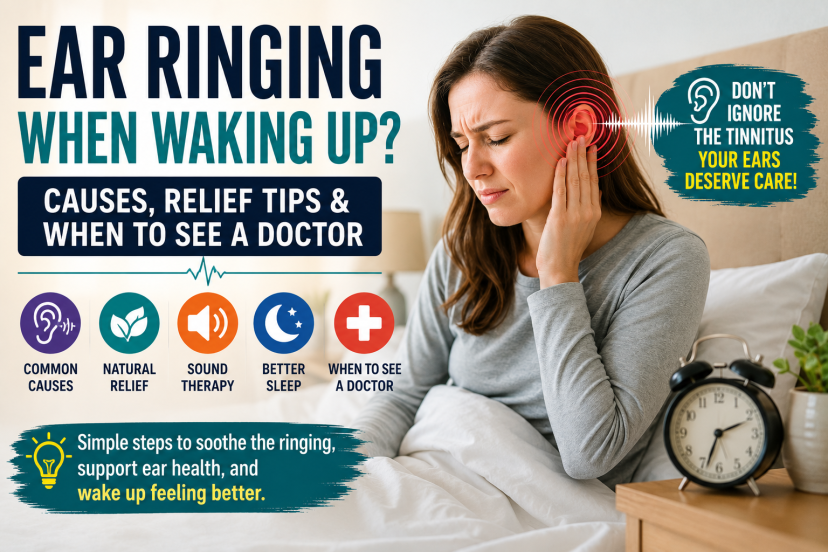
Waking up should leave you feeling refreshed—but if you’re greeted by ringing, buzzing, humming, or whooshing sounds in your ears, it can quickly become stressful. Many people experience ear ringing when waking up, and while it can be alarming, it’s often linked to common and manageable causes.
Morning tinnitus may occur because of sleeping position, nighttime jaw clenching, hearing loss, stress, or changes in blood flow and your sleeping environment. In many cases, the ringing fades as the day goes on, but persistent or worsening symptoms deserve attention.
In this guide, you’ll learn why ear ringing when waking up happens, what may help reduce it naturally, and when it’s time to consult an ENT or audiologist.
⭐ Quick Answer
Ear ringing when waking up is often caused by temporary changes that occur overnight, including sleeping in a quiet environment, jaw clenching, ear pressure changes, hearing loss, or existing tinnitus becoming more noticeable. Most cases are not an emergency, but persistent ringing, hearing loss, dizziness, or one-sided symptoms should be evaluated by a healthcare professional.
🌅 Why Does Ear Ringing When Waking Up Happen?
If you notice ear ringing when waking up, you’re not imagining it. Several factors during sleep can make tinnitus more noticeable first thing in the morning.
Common causes include:
- Sleeping in complete silence
- Existing age-related hearing loss
- Noise-induced hearing damage
- Teeth grinding (bruxism)
- TMJ (jaw joint) disorders
- Earwax buildup
- Poor sleep quality
- Stress and anxiety
- Changes in blood pressure
- Certain medications
During the night, your brain receives very little external sound. Without background noise, tinnitus often becomes much easier to notice when you first wake up.
👂 Common Symptoms That May Accompany Morning Ear Ringing
Morning tinnitus can sound different from person to person.
You may experience:
- Ringing
- Buzzing
- Humming
- Hissing
- Clicking
- Whistling
- Roaring
Other symptoms may include:
- Ear fullness
- Temporary muffled hearing
- Jaw soreness
- Neck stiffness
- Headache
- Difficulty concentrating
- Trouble falling back asleep
Some people notice the ringing fades after getting out of bed, while others hear it throughout the day.
🛏️ How Sleep Can Affect Ear Ringing When Waking Up
Sleep habits play a surprisingly important role in tinnitus.
Several nighttime factors may contribute to ear ringing when waking up.
Sleeping In Silence
Without environmental sounds, your brain focuses more on internal noises.
This makes tinnitus seem louder upon waking.
Sleeping Position
Pressure on one ear against the pillow may temporarily change how sounds are perceived.
Changing sleeping positions sometimes reduces symptoms.
Teeth Grinding
Many people unknowingly clench or grind their teeth during sleep.
This can strain the jaw muscles and surrounding nerves, increasing tinnitus in the morning.
Poor Sleep Quality
Interrupted sleep may increase stress hormones, making tinnitus feel more noticeable the next day.
🌿 Natural Ways To Reduce Ear Ringing When Waking Up
Although there’s no universal cure for tinnitus, many people find meaningful improvement with simple daily habits.
Use Gentle Background Sound
A bedside sound machine can reduce the contrast between silence and tinnitus.
Helpful options include:
- White noise
- Ocean waves
- Rain sounds
- Soft fans
- Nature recordings
Popular U.S. apps include:
- ReSound Relief
- BetterSleep
- myNoise
- White Noise Lite
Stay Hydrated
Dehydration may contribute to headaches and other symptoms that can make tinnitus feel worse.
Drink enough water throughout the day.
Improve Sleep Hygiene
Healthy sleep habits include:
- Going to bed at the same time
- Limiting screen time before bed
- Keeping the bedroom cool and dark
- Avoiding heavy meals late at night
Better sleep often makes tinnitus easier to manage.
💊 Supplements That May Support Ear Health
Some supplements are commonly used by people living with tinnitus.
Research is ongoing, and results vary between individuals.
Always speak with your healthcare provider before beginning supplements.
Magnesium
Magnesium supports healthy nerve function and may help protect hearing after noise exposure.
Vitamin B12
Vitamin B12 plays an important role in healthy nerves.
People with deficiencies sometimes experience hearing-related symptoms.
Ginkgo Biloba
Ginkgo biloba is widely marketed for tinnitus.
Although studies show mixed results, some individuals report improvements when using high-quality supplements alongside healthy lifestyle habits.
Supplements should be considered supportive—not curative.
🧘 Relaxation Techniques That May Help
Stress doesn’t necessarily cause tinnitus, but it often makes it seem louder.
Helpful techniques include:
- Deep breathing
- Meditation
- Yoga
- Progressive muscle relaxation
- Mindfulness practice
Practicing relaxation for just 10 to 15 minutes each day may help reduce the emotional impact of tinnitus.
🎧 Lifestyle Habits That Support Healthy Hearing
Protecting your hearing is one of the best long-term strategies.
Healthy habits include:
- Keep Headphone Volume Moderate
- Wear Hearing Protection Around Loud Noise
- Exercise Regularly
- Manage Blood Pressure
- Limit Smoking
- Reduce Excess Alcohol If It Worsens Symptoms
- Eat A Balanced Diet
- Manage Stress Daily
Consistency often produces better results than trying many treatments at once.
🔬 Could Morning Ear Ringing Be Hearing Loss?
Yes.
One of the most common causes of persistent tinnitus is hearing loss.
When hearing decreases, the brain receives fewer sound signals and may compensate by generating phantom sounds like ringing or buzzing.
A hearing evaluation can determine whether hearing loss is contributing to ear ringing when waking up.
If hearing loss is present, modern hearing aids with tinnitus masking features may significantly improve quality of life.
🚨 When To See A Doctor
Occasional ear ringing when waking up is usually not an emergency.
However, you should schedule an appointment with an ENT or audiologist if:
- Ringing lasts throughout the day.
- Symptoms continue for several weeks.
- Hearing loss develops.
- Only one ear is affected.
- You experience dizziness or balance problems.
- Ear pain or drainage occurs.
- Tinnitus interferes with sleep or daily activities.
Seek immediate medical attention if tinnitus begins suddenly along with sudden hearing loss, severe dizziness, facial weakness, or other neurological symptoms.
❓ FAQs: Ear Ringing When Waking Up
1. Why do my ears ring when I first wake up?
Morning ringing is often more noticeable because your bedroom is quiet, allowing tinnitus to stand out. Sleep position, jaw clenching, and hearing loss may also contribute.
2. Is ear ringing when waking up normal?
Many people occasionally notice ringing in the morning. Persistent or worsening symptoms should be evaluated by a healthcare professional.
3. Can sleeping position affect tinnitus?
Yes. Pressure on one ear or changes in circulation while sleeping may temporarily change how tinnitus is perceived.
4. Does poor sleep make tinnitus worse?
Yes. Poor sleep increases stress and fatigue, both of which can make tinnitus seem louder.
5. Can dehydration cause morning tinnitus?
Dehydration may contribute to symptoms that worsen tinnitus in some individuals, making proper hydration important.
6. Will hearing aids help morning tinnitus?
If hearing loss is contributing to tinnitus, hearing aids with built-in sound therapy features may reduce symptom awareness.
7. Can stress cause ringing in the ears after waking up?
Stress usually doesn’t directly cause tinnitus, but it can increase your awareness of it and make symptoms feel more intense.
📌 Final Thoughts
Experiencing ear ringing when waking up can be frustrating, but it doesn’t necessarily mean something serious is wrong. In many cases, the ringing is related to everyday factors like sleeping in silence, stress, hearing changes, or nighttime jaw clenching.
Simple habits such as improving sleep quality, using gentle background sounds, protecting your hearing, and managing stress can make a meaningful difference over time. If your symptoms persist, worsen, or occur with hearing loss or dizziness, don’t hesitate to schedule an evaluation with an ENT or audiologist.
Managing tinnitus is often a gradual process, but with patience, consistent self-care, and professional guidance when needed, many people successfully reduce its impact and enjoy a better quality of life.
Medical Disclaimer: This article is for informational purposes only and should not replace professional medical advice, diagnosis, or treatment. Always consult a qualified healthcare provider, ENT specialist, or audiologist if you experience persistent tinnitus, hearing loss, dizziness, or other concerns about your ear health.
 Explore more:
- Can Iron Deficiency Cause Tinnitus?
- Can Vitamin D Deficiency Cause Tinnitus?
- Can Sinus Pressure Cause Tinnitus?