Hearing Aids For Tinnitus In 2026: What Actually Helps Reduce Ringing Ears?
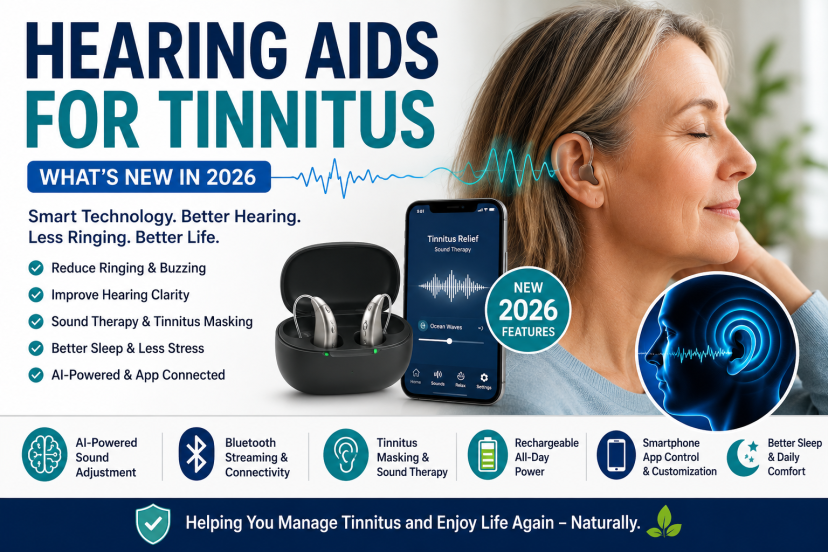
Living with tinnitus can feel mentally and emotionally draining. The constant ringing, buzzing, humming, clicking, or whooshing sounds may make it difficult to sleep, focus at work, enjoy conversations, or simply relax in silence.
For many people, tinnitus becomes even more frustrating when paired with hearing loss. Sounds may seem muffled, conversations become exhausting, and quiet environments can make ringing ears feel louder than ever.
This is why more people are now exploring hearing aids for tinnitus as part of a daily-life relief strategy in 2026.
The good news? Modern hearing aids have improved dramatically in recent years. Many devices now include advanced tinnitus masking technology, customizable sound therapy, smartphone apps, AI-powered adjustments, and Bluetooth streaming designed specifically to help tinnitus sufferers manage symptoms more comfortably.
While hearing aids are not a “cure” for tinnitus, many people report:
- Less awareness of ringing
- Better hearing clarity
- Reduced stress
- Improved sleep
- Easier conversations
- Better daily focus
For some individuals, hearing aids become one of the most helpful long-term tinnitus management tools available.
⭐ Quick Answer: Hearing Aids For Tinnitus
Yes, hearing aids for tinnitus may help reduce the perception of ringing ears, especially for people who also have hearing loss. Modern hearing aids in 2026 often include sound therapy, masking features, Bluetooth streaming, AI sound adjustments, and smartphone controls that may improve daily comfort and reduce tinnitus awareness naturally.
Key Takeaways
Most likely cause: Tinnitus is often associated with hearing loss or changes in the auditory system, although there are many possible causes. For people with hearing loss, reduced external sound may also make tinnitus more noticeable.
Usually serious? Usually not, but new, sudden, one-sided, or pulsating tinnitus—or tinnitus accompanied by sudden hearing changes, dizziness, or other concerning symptoms—should be evaluated by a healthcare professional.
First thing to check: Consider scheduling a professional hearing evaluation to determine whether hearing loss is present and whether hearing aids for tinnitus could be appropriate for your needs.
Best solution: If hearing loss is contributing to tinnitus, properly fitted hearing aids may improve access to everyday sounds and make tinnitus less noticeable. Some models also offer tinnitus sound therapy, masking options, app controls, and other customizable features.
🔎 How Hearing Aids May Help Tinnitus
Tinnitus is often linked to hearing loss.
When the brain receives fewer external sounds, it may “turn up the volume” internally, making ringing or buzzing noises more noticeable.
Hearing aids may help by:
- Amplifying environmental sounds
- Improving speech clarity
- Reducing listening strain
- Lowering stress and fatigue
- Helping the brain focus less on tinnitus
For many people, hearing aids create a richer sound environment that makes tinnitus less dominant.
This effect is especially helpful in:
- Quiet rooms
- Offices
- Social settings
- Bedtime environments
Many tinnitus sufferers describe the experience as:
“The ringing fades more into the background.”
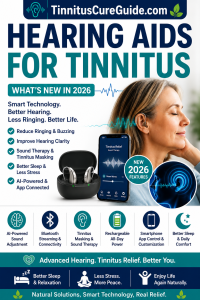
🎧 What’s New With Hearing Aids For Tinnitus In 2026?
Hearing aid technology has advanced significantly in recent years.
Many 2026 models now include:
- AI-powered sound optimization
- Advanced tinnitus masking
- Bluetooth streaming
- Smartphone app controls
- Rechargeable batteries
- Better speech clarity in noisy environments
- Personalized sound therapy programs
Some hearing aids can even learn listening habits and automatically adjust based on the environment.
Popular U.S. hearing aid brands offering tinnitus features include:
- Phonak
- Oticon
- Widex
- ReSound
- Signia
- Starkey
Many modern devices now work directly with:
- iPhones
- Android phones
- TV streaming systems
- Relaxation apps
- White noise programs
This makes tinnitus support much more customizable than in previous years.
🧠 Why Hearing Loss And Tinnitus Often Happen Together
According to hearing experts, many tinnitus sufferers also experience some level of hearing loss.
Common causes include:
- Aging
- Loud noise exposure
- Ear damage
- Workplace noise
- Concert exposure
- Military service
- Chronic stress
- Ear infections
When hearing decreases, the brain may compensate by increasing sensitivity to internal sound signals.
This is why hearing support often helps reduce tinnitus awareness.
Signs of hearing loss may be involved include:
- Asking people to repeat themselves
- Difficulty hearing in restaurants
- Turning up the TV volume often
- Trouble understanding conversations
- Tinnitus worsening in silence
A professional hearing test can help identify whether hearing aids may benefit you.
🌿 Tinnitus Masking Features Explained
Many modern hearing aids include tinnitus masking programs.
These features play gentle background sounds to help reduce awareness of ringing.
Common masking sounds include:
- White noise
- Ocean waves
- Rain sounds
- Soft static
- Nature sounds
Some devices allow users to customize:
- Volume
- Tone
- Frequency
- Sound type
- Sleep settings
Masking does not remove tinnitus completely, but it may help the brain pay less attention to it.
Many users report:
- Better concentration
- Less stress
- Improved sleep
- Reduced nighttime awareness
📱 Popular Apps And Smart Features In 2026
Today’s hearing aids often connect directly to smartphone apps.
Popular tinnitus support apps include:
- ReSound Relief
- Widex Zen
- Calm
- Headspace
- Starkey Thrive
- myPhonak app
Helpful features may include:
- Relaxation exercises
- Guided breathing
- Sound therapy playlists
- Sleep sounds
- Volume controls
- AI hearing adjustments
Some systems now use artificial intelligence to adapt automatically to noisy environments.
This may reduce listening fatigue throughout the day.
😴 Can Hearing Aids Help You Sleep Better?
For many people, yes.
Tinnitus often feels louder at night because the environment becomes quieter.
Hearing aids with masking features may help by:
- Reducing silence
- Lowering stress
- Improving relaxation
- Providing calming sound therapy
Some people also use:
- White noise machines
- Fans
- Sleep headphones
- Nature sound apps
Popular U.S. products include:
- LectroFan white noise machines
- Bose sleep audio products
- Sound Oasis sleep systems
Better sleep often improves overall tinnitus coping ability.
🥗 Supplements And Natural Support For Tinnitus
Some people combine hearing aids with natural wellness strategies.
While supplements are not guaranteed cures, certain nutrients may support nerve and hearing health.
Magnesium
Magnesium may help:
- Relax muscles
- Support nerve function
- Improve sleep quality
- Reduce stress tension
Magnesium-rich foods include:
- Almonds
- Pumpkin seeds
- Spinach
- Avocados
Vitamin B12
Vitamin B12 supports:
- Nerve health
- Brain function
- Energy production
Some tinnitus sufferers may have low B12 levels.
Common food sources include:
- Fish
- Eggs
- Dairy
- Lean meats
Ginkgo biloba
Ginkgo biloba is widely discussed for tinnitus support.
Some researchers believe it may support:
- Blood circulation
- Brain oxygenation
- Cognitive function
Results vary between individuals.
Always speak with a healthcare provider before starting supplements.
🧘 Stress Reduction And Relaxation Techniques
Stress and anxiety can make tinnitus feel much louder.
This is why many hearing specialists recommend combining hearing aids with stress management techniques.
Helpful options include:
- Meditation
- Deep breathing
- Yoga
- Walking
- Mindfulness exercises
- Progressive muscle relaxation
Popular apps in the United States include:
- Calm
- Headspace
- Insight Timer
Relaxation techniques may not eliminate tinnitus, but they often improve emotional coping and daily comfort.
🔊 How To Choose The Best Hearing Aids For Tinnitus
Not all hearing aids are the same.
Helpful features to look for include:
- Tinnitus masking programs
- Bluetooth streaming
- Rechargeable batteries
- Smartphone compatibility
- Comfortable fit
- Noise reduction technology
- Speech enhancement
Questions to ask an audiologist:
- Does this model include tinnitus therapy?
- Can sounds be customized?
- Is there a free trial period?
- Does insurance cover any cost?
- Will it work with my smartphone?
Many U.S. hearing clinics now offer trial periods so users can test devices before committing long-term.
🏃 Lifestyle Habits That May Improve Tinnitus Relief
Healthy habits often work best when combined together.
Helpful daily strategies include:
- Protecting ears from loud noise
- Exercising regularly
- Staying hydrated
- Managing stress
- Sleeping consistently
- Limiting excessive caffeine if sensitive
- Taking listening breaks in noisy places
Many people find that tinnitus becomes more manageable when overall health improves.
⚠️ When To See An ENT Or Audiologist
You should contact a healthcare professional if you experience:
- Sudden hearing loss
- One-sided tinnitus
- Severe dizziness
- Pulsing or heartbeat sounds
- Sudden tinnitus worsening
- Ear pain
- Balance problems
- Difficulty hearing conversations
An ENT or audiologist may recommend:
- Hearing tests
- Ear examinations
- Sound therapy
- Hearing aids
- Imaging scans
- Tinnitus counseling
Early evaluation is especially important if symptoms appear suddenly.
❓ FAQs About Hearing Aids For Tinnitus
Do hearing aids actually help tinnitus?
Many people report reduced tinnitus awareness when using hearing aids, especially if hearing loss is involved.
What type of hearing aid is best for tinnitus?
Devices with tinnitus masking features, customizable sound therapy, and Bluetooth streaming are often recommended.
Can hearing aids stop ringing in the ears completely?
Not usually. Hearing aids help manage tinnitus symptoms rather than permanently eliminate them.
Are hearing aids worth it for mild tinnitus?
They may help if hearing loss or sound sensitivity contributes to symptoms. A hearing evaluation can help determine this.
How long does it take hearing aids to help tinnitus?
Some people notice improvement quickly, while others need several weeks as the brain adjusts to new sound input.
Do hearing aids help with tinnitus at night?
Some devices include sleep-friendly masking sounds that may reduce nighttime tinnitus awareness.
Can over-the-counter hearing aids help tinnitus?
In some cases, yes. However, prescription devices often offer more advanced tinnitus management features and personalization.
🌟 Final Thoughts On Hearing Aids For Tinnitus
Hearing aids for tinnitus have improved significantly in 2026, offering more personalized and supportive options than ever before.
For many people, these devices help:
- Reduce tinnitus awareness
- Improve hearing clarity
- Lower stress
- Support better sleep
- Improve daily conversations
The best results often come from combining hearing support with healthy daily habits, stress management, sound therapy, relaxation techniques, and patience.
Tinnitus management is usually a gradual process — not an overnight fix. But with consistency, self-care, and the right tools, many people learn to live more comfortably and confidently again.
Disclaimer: This article is for informational purposes only and does not replace medical advice, diagnosis, or treatment. Always consult a qualified healthcare professional regarding tinnitus, hearing changes, or persistent ear symptoms.
 Explore more:
- Tinnitus After Ear Infection
- What Does Tinnitus Sound Like?
- Tinnitus Pronounce: How To Say It Correctly