Tinnitus In Children & Teens: Warning Signs Every Parent Should Know
🔍 When Ringing Affects Young Ears
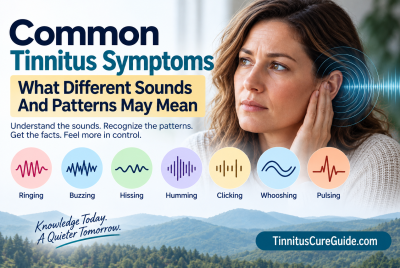
When most people think of tinnitus, they imagine adults — not kids. But tinnitus in children and teens is more common than many parents realize. Children may experience ringing, buzzing, humming, or whooshing sounds, yet struggle to explain what they’re feeling.
For young people, tinnitus can interfere with:
-
Sleep and concentration
-
School performance
-
Emotional well-being
-
Stress levels and anxiety
Because children don’t always have the words to describe ear symptoms, tinnitus can go unnoticed for months or even years. This guide helps parents understand child tinnitus symptoms, recognize warning signs early, and take practical steps to protect young ears.
🔊 Tinnitus In Children: What Parents Need To Know
Tinnitus in children refers to hearing sounds that aren’t coming from an external source. Just like adults, kids may hear:
-
Ringing
-
Buzzing
-
Whistling
-
Clicking
-
Pulsing sounds
The key difference?
Children often think tinnitus is normal — or they assume everyone hears the same thing.
That’s why awareness is so important.
👂 How Common Is Tinnitus In Children And Teens?
Research suggests tinnitus affects up to 30% of children at some point, though many cases are mild or temporary. Among teens, rates are rising due to increased exposure to loud sounds from:
-
Headphones
-
Video games
-
School events
-
Sports activities
Teenage ear ringing is especially common during periods of growth, stress, or frequent noise exposure.
🔍 Warning Signs Of Child Tinnitus Symptoms
Children rarely say, “I have tinnitus.” Instead, they may show indirect signs.
🔊 Common Warning Signs
-
Complaints of “noises” in the ears
-
Difficulty falling asleep
-
Covering ears in quiet rooms
-
Trouble focusing at school
-
Increased irritability or anxiety
-
Asking for more background noise
-
Sensitivity to sound
If a child frequently says things like “my ears are loud” or “I hear a buzzing”, it’s worth investigating further.
🧠 Why Tinnitus Happens In Kids And Teens
Understanding causes helps parents respond calmly and effectively.
🔊 Noise Exposure And School Risks
Loud environments are a major factor in tinnitus in children.
Common school-related risks include:
-
Band practice and music class
-
School assemblies and pep rallies
-
Sports events
-
Loud cafeterias
-
Personal headphones are used at high volume
Even short bursts of loud noise can irritate the auditory system.
👂 Ear Conditions And Health Issues
Some cases of child tinnitus symptoms are linked to:
-
Ear infections
-
Fluid buildup
-
Earwax blockage
-
Allergies affecting ear pressure
These causes are often treatable, making early evaluation important.
🧠 Stress, Anxiety, And Emotional Factors
Children experience stress too — from:
-
Academic pressure
-
Social challenges
-
Family changes
Stress activates the nervous system, making tinnitus more noticeable.
💊 Medications And Medical Conditions
Certain medications or conditions may contribute to tinnitus, including:
-
Antibiotics (rare cases)
-
ADHD medications (uncommon)
-
Migraines
-
Head or neck injuries
Always discuss symptoms with a healthcare provider.
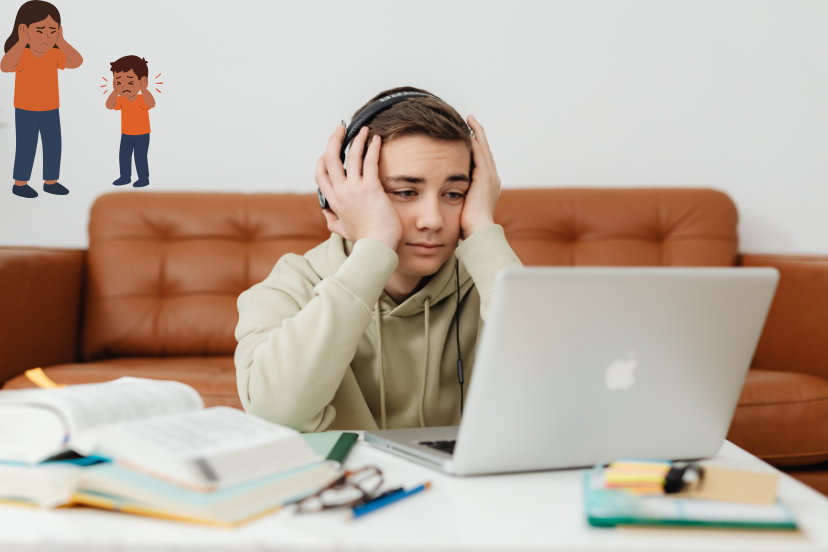
🔊 How Teenage Ear Ringing Can Affect School Performance
Tinnitus doesn’t just affect hearing — it affects learning.
🎒 Classroom Challenges
-
Difficulty concentrating in quiet classrooms
-
Trouble following instructions
-
Increased mental fatigue
-
Frustration during tests
Children may appear distracted or inattentive when tinnitus is the real issue.
🌿 Practical Ways Parents Can Help At Home
Managing tinnitus in children focuses on comfort, reassurance, and healthy habits.
🔊 Sound Therapy For Kids
Gentle background sound helps reduce tinnitus awareness.
Helpful options include:
-
Soft music at bedtime
-
White noise machines
-
Fans or nature sounds
-
Kid-friendly sound apps
Avoid complete silence, especially at night.
🧘♀️ Relaxation And Stress Reduction
Simple relaxation tools can help calm the nervous system.
Try:
-
Deep breathing exercises
-
Guided imagery
-
Gentle stretching
-
Bedtime routines with calming activities
Consistency is more important than duration.
🌿 Supplements: What Parents Should Know
Supplements are not cures, but some may support ear and nerve health.
🌿 Magnesium
-
Supports nerve function
-
May help noise-related tinnitus
⭐ Vitamin B12
-
Deficiency linked to tinnitus in some children
-
Blood testing is recommended before supplementing
🌿 Ginkgo Biloba
-
Limited research in children
-
Always consult a pediatrician first
Never give supplements without medical guidance.
⚡ Prevention Tips To Protect Young Ears
Preventing tinnitus is often easier than treating it.
✅ Safe Listening Habits
-
Keep headphone volume below 60%
-
Limit listening time
-
Use noise-canceling headphones to avoid turning the volume up
👂 Hearing Protection
-
Earplugs at loud events
-
Protection during band practice or sports
✅ Healthy Lifestyle Support
-
Adequate sleep
-
Balanced nutrition
-
Hydration
-
Stress management
Small habits add up over time.
🚨 When To See A Doctor Or Audiologist
Professional evaluation is important if tinnitus persists.
Seek medical advice if:
-
Tinnitus lasts longer than a few weeks
-
Sounds occur in only one ear
-
Tinnitus follows illness or injury
-
Hearing loss is suspected
-
Sleep or school performance declines
-
Anxiety or emotional distress increases
An ENT or pediatric audiologist can identify underlying causes and recommend appropriate care.

❓ Frequently Asked Questions About Tinnitus In Children
Is tinnitus in children common?
Yes. Many children experience tinnitus at some point, but not all report it.
Can teenage ear ringing go away on its own?
Often yes, especially if caused by noise exposure or temporary conditions.
Is tinnitus dangerous for kids?
Usually no, but it should always be evaluated to rule out underlying issues.
Can ear infections cause tinnitus?
Yes. Fluid and inflammation can trigger temporary tinnitus.
Do kids need hearing aids for tinnitus?
Only if hearing loss is present. Many children don’t require devices.
Can stress really make tinnitus worse?
Yes. Stress increases nervous system sensitivity, making tinnitus louder.
Should schools be concerned about noise levels?
Absolutely. Prolonged school noise exposure can affect hearing health.
🌟 Conclusion: Early Awareness Makes A Big Difference
Tinnitus in children and teens can be unsettling — for kids and parents alike. The good news is that most cases are manageable, especially when recognized early.
With:
-
Awareness of warning signs
-
Healthy listening habits
-
Stress reduction
-
Professional guidance when needed
Children can learn to cope effectively, sleep better, and stay focused in school. Parents play a powerful role in protecting young ears and supporting long-term hearing health.
⚠️ Medical Disclaimer
This article is for informational purposes only and does not replace professional medical advice. Always consult a qualified healthcare provider regarding tinnitus or hearing concerns in children or teens.
 Explore more:
- Tinnitus And Cortisol Levels
- Tinnitus In One Ear Only
- Why Tinnitus Gets Louder In Quiet Bedrooms At Night