Hearing Aids Vs Masking Devices For Tinnitus: Which To Choose?
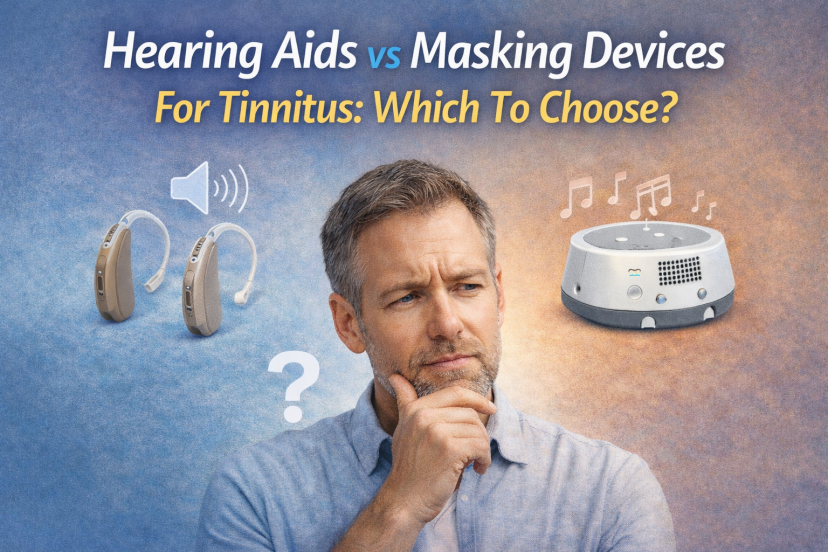
🧩 Choosing The Right Device Can Feel Overwhelming
Living with tinnitus means dealing with sounds that won’t switch off — ringing, buzzing, hissing, or whooshing that follows you through quiet rooms, busy days, and restless nights. For many people, tinnitus affects sleep, focus, mood, and stress levels, making everyday life more challenging than it should be.
When symptoms persist, devices often become part of the conversation. Two of the most commonly recommended options are hearing aids and sound-masking devices. This leads many people to ask:
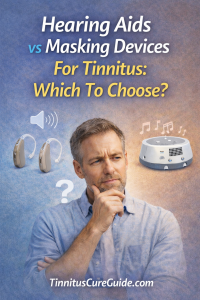
Which is better — hearing aids or masking devices for tinnitus?
This guide offers a clear, honest hearing aid versus masker tinnitus comparison so you can make an informed decision based on your symptoms, lifestyle, and budget.
🔊 Hearing Aid Versus Masker Tinnitus: Understanding The Core Difference
At first glance, hearing aids and masking devices may seem similar — both produce sound. But their purpose and benefits differ significantly.
🔊 Hearing Aids: Designed To Improve Hearing
Hearing aids:
-
Amplify external sounds
-
Improve speech clarity
-
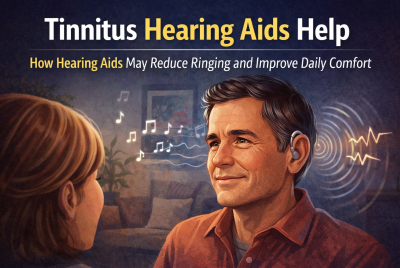
Reduce the brain’s focus on tinnitus by restoring sound input
They’re especially helpful for people with tinnitus linked to hearing loss.
🔊 Masking Devices: Designed To Cover Tinnitus
Masking devices:
-
Produce soothing background noise
-
Reduce contrast between tinnitus and silence
-
Help with relaxation and sleep
They don’t improve hearing but focus on symptom relief.
Understanding this difference is key when choosing the right assistive device tinnitus solution.
🧠 Why Devices Help With Tinnitus In The First Place
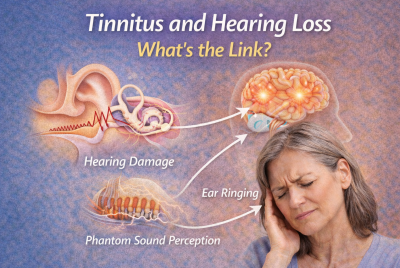
Tinnitus often develops when the brain tries to compensate for missing or damaged sound signals. Devices help by:
-
Providing external sound stimulation
-
Reducing auditory overcompensation
-
Lowering stress and hyperawareness
Both device types can play a role in masker device tinnitus relief, depending on individual needs.
🔊 Hearing Aids For Tinnitus Relief: Pros And Cons
✅ Pros Of Hearing Aids
-
Improve overall hearing clarity
-
Reduce tinnitus prominence by enriching sound environment
-
Helpful for age-related or noise-induced hearing loss
-
Many modern models include built-in tinnitus sound therapy
-
Discreet and wearable throughout the day
Studies in the U.S. show that up to 60% of tinnitus sufferers with hearing loss report improvement after consistent hearing aid use.
❌ Cons Of Hearing Aids
-
Higher upfront cost
-
Require hearing evaluation and fitting
-
Less effective if tinnitus exists without hearing loss
-
Adjustment period needed
🔊 Masking Devices For Tinnitus Relief: Pros And Cons
✅ Pros Of Masking Devices
-
Immediate relief in quiet settings
-
Excellent for sleep support
-
Lower cost than hearing aids
-
No hearing loss required
-
Available as bedside devices, wearables, or apps
Popular U.S. options include white noise machines, nature sound devices, and smartphone apps.
❌ Cons Of Masking Devices
-
Do not improve hearing
-
Relief is temporary while sound is present
-
Less effective in noisy environments
-
Some users find masking sounds distracting
🔊 Tinnitus Device Comparison: Which One Fits Your Needs?
Here’s a practical comparison to help guide your choice:
🔊 Hearing Aids Are Best If You:
-
Have confirmed hearing loss
-
Struggle with conversations
-
Experience tinnitus mainly during the day
-
Want an all-in-one hearing and tinnitus solution
🔊 Masking Devices Are Best If You:
-
Have normal hearing
-
Struggle most at night or during silence
-
Want affordable, non-invasive relief
-
Prefer flexibility without daily wear
This tinnitus device comparison highlights that there’s no universal winner — only what works best for you.
💰 Cost And Value: What To Expect In The U.S.
💵 Hearing Aid Costs
-
Typically range from $1,500–$4,000 per pair
-
Some insurance plans offer partial coverage
-
Over-the-counter (OTC) hearing aids may lower costs
💵 Masking Device Costs
-
White noise machines: $30–$100
-
Wearable maskers: $100–$300
-
Apps: Often free or under $10/month
Cost-benefit depends on long-term needs vs immediate relief.
🌿 Combining Devices With Lifestyle Strategies
Devices work best when paired with healthy daily habits.
🌿 Sound Therapy
-
Use nature sounds, fans, or ambient noise
-
Reduce silence-related tinnitus spikes
🧘♀️ Stress Reduction
-
Deep breathing exercises
-
Meditation or yoga
-
Mindfulness practices
Stress often amplifies tinnitus perception.
🌿 Supplements Sometimes Used With Tinnitus Devices
While supplements aren’t cures, some support nerve and circulatory health.
🌿 Ginkgo Biloba
-
May improve inner-ear blood flow
-
Mixed evidence, individual results vary
🧩 Magnesium
-
Supports nerve signaling
-
Helpful for noise-related tinnitus
🌿 Vitamin B12
-
Deficiency linked to tinnitus in some people
-
Blood testing is recommended before supplementing
Always consult a healthcare provider before use.
🔊 Prevention Tips To Protect Hearing And Reduce Tinnitus
✅ Protect Your Ears
-
Use earplugs at concerts or loud workplaces
-
Limit headphone volume
🧩 Support Healthy Sleep
-
Maintain a consistent bedtime
-
Use sound masking at night
❗ Avoid Overstimulation
-
Reduce caffeine and alcohol
-
Stay hydrated
🚨 When To See A Doctor Or Audiologist
Professional guidance is essential before choosing a device.
See a specialist if you have tinnitus:
-
Appears suddenly
-
Occurs in one ear only
-
Is pulsatile or rhythmic
-
Is accompanied by hearing loss or dizziness
-
Disrupts sleep or mental health
ENTs and audiologists can recommend the most appropriate assistive device tinnitus option.
❓ Frequently Asked Questions
Which is better: hearing aid versus masker tinnitus treatment?
It depends on whether hearing loss is present. Hearing aids help hearing and tinnitus, while maskers focus only on symptom relief.
Can I use both hearing aids and masking devices?
Yes. Many people use hearing aids during the day and masking devices at night.
Do hearing aids cure tinnitus?
No, but they often reduce awareness and improve quality of life.
Is nightly use of masking devices safe?
Yes, when used at safe volume levels.
Do OTC hearing aids help tinnitus?
They may help mild hearing loss, but are best chosen with professional guidance.
Can apps replace masking devices?
Apps can be effective for many users, especially for sleep support.
How long does it take to see results?
Relief may begin immediately with maskers; hearing aids often take weeks for full benefit.
🌟 Conclusion: The Best Device Is The One You’ll Use Consistently
Choosing between hearing aids and masking devices for tinnitus isn’t about finding a perfect cure — it’s about finding sustainable relief.
For some, hearing aids restore sound balance and reduce tinnitus awareness. For others, masking devices provide calm, comfort, and better sleep. Many people benefit from combining both, along with stress management and healthy lifestyle habits.
With patience, consistency, and the right support, tinnitus can become far less intrusive, allowing you to focus on what truly matters in life.
⚠️ Medical Disclaimer
This content is for informational purposes only and does not replace professional medical advice. Always consult a qualified healthcare provider for diagnosis and treatment of tinnitus or hearing conditions.
 Explore more:
- Can Tinnitus Be Cured? Realistic Expectations
- How To Train Your Brain To Stop Tinnitus
- Can Changes In Diet & Caffeine Intake Impact Tinnitus?