How to Prevent Tinnitus Naturally: Long-Term Hearing Protection Strategies
🔊 Protecting Your Ears Before the Ringing Starts
If you’ve ever felt a sudden ringing, buzzing, or whooshing in your ears — even for a few seconds — you know how unsettling tinnitus can be. For many Americans, these sounds don’t just come and go. They show up during quiet moments, at night when trying to sleep, during stressful days, or after loud noise exposure.
The good news? While not all tinnitus is preventable, many of the biggest triggers are. By understanding how your lifestyle, environment, and daily habits affect your ears, you can take meaningful steps to prevent tinnitus naturally and protect your hearing for decades to come.
This guide walks you through evidence-based prevention tips, U.S.-specific advice, and long-term hearing wellness strategies that fit easily into everyday life.
🎧 What Causes Tinnitus—and Why Prevention Matters
Tinnitus isn’t a condition itself — it’s a symptom of something affecting your ears or auditory nerves. Preventing tinnitus starts with understanding the most common triggers.
The leading causes include:
-
Loud noise exposure (concerts, power tools, earbuds)
-
Poor hearing protection
-
Stress and anxiety
-
Sleep deprivation
-
Circulation issues
-
Certain medications
-
Jaw tension or neck strain
-
Overall lifestyle habits
The Centers for Disease Control (CDC) estimates that 40 million U.S. adults face noise-related hearing damage — one of the strongest predictors of tinnitus.
The rest of this article breaks down exactly how to prevent tinnitus naturally using long-term hearing care strategies.

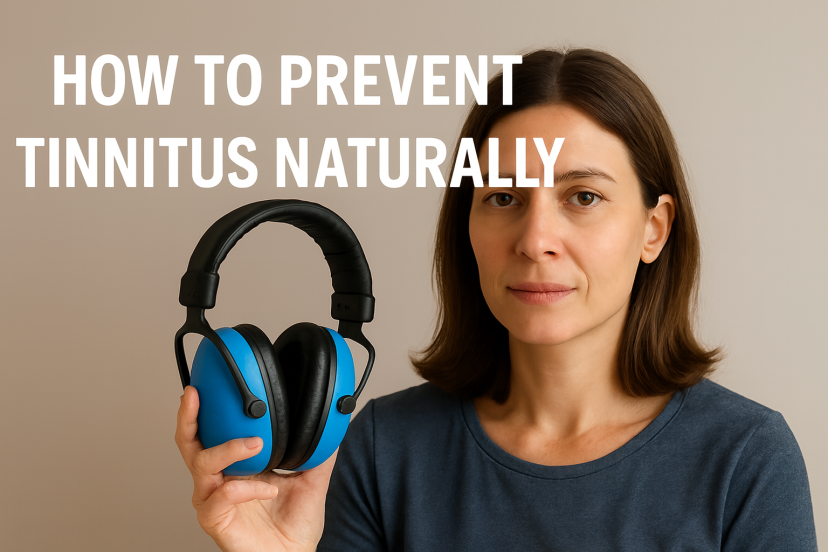
🎧 1. Use Proper Hearing Protection (Your #1 Defense)
Noise exposure is the most preventable cause of tinnitus. Whether you’re mowing the lawn, attending a concert, or working in a noisy environment, hearing protection is essential.
🛡️ Best Ways to Protect Your Ears:
-
Foam earplugs (cheap, effective, widely available in the U.S.)
-
Noise-canceling headphones for commuting and studying
-
Musician’s earplugs for concerts or band practice
-
Earmuff-style hearing protectors for yard work or construction
📏 Follow the 80/90 Rule
If you must listen to audio:
-
No more than 80% volume
-
For no longer than 90 minutes at a time
This simple habit drastically reduces long-term hearing damage.
🔉 2. Limit Exposure to Loud Environments
Even short bursts of loud sound can trigger ringing. Common noise levels in the U.S.:
-
Concerts: 100–120 dB
-
Sporting events: 105 dB
-
Power tools: 90–115 dB
-
City traffic: 85–100 dB
Anything above 85 dB can harm hearing if you’re exposed long enough.
🧠 Tips to Prevent Tinnitus Naturally in Loud Places:
-
Step away from speakers at events
-
Limit time in loud bars or nightclubs
-
Keep car windows up in heavy traffic
-
Use noise apps like NIOSH Sound Level Meter to measure noise levels
😌 3. Reduce Stress — A Major Tinnitus Trigger
Stress doesn’t cause tinnitus directly, but it makes it much louder and more persistent by activating the brain’s fight-or-flight response.
🌿 Natural Stress-Reduction Techniques:
-
Deep breathing exercises
-
Meditation and mindfulness apps (Calm, Headspace)
-
Yoga or gentle stretching
-
Daily walks (great for circulation)
-
Journaling before bed
If you want to prevent tinnitus naturally, managing stress is essential — because calmer nerves = calmer ears.
🛌 4. Improve Sleep Quality to Protect Ear Health
Sleep is when your brain restores auditory nerves. Poor sleep increases sensitivity to noise and makes tinnitus more likely.
💤 Healthy Sleep Habits That Support Ear Wellness:
-
Keep consistent sleep/wake times
-
Turn off screens 1 hour before bed (blue light disrupts melatonin)
-
Use white noise machines to create a soothing sleep environment
-
Limit caffeine in the afternoon
-
Try magnesium glycinate at night (supports relaxation)
Many U.S. tinnitus sufferers use sound therapy at night to prevent “quiet room ringing.”
🍎 5. Follow a Hearing-Healthy Diet
Nutrition impacts stress, blood flow, inflammation, and nerve health — all of which affect hearing.
🥦 Best Foods to Support Ear Health
-
Leafy greens (spinach, kale)
-
Omega-3 fish (salmon, sardines)
-
B12-rich foods (eggs, dairy, fortified cereals)
-
Magnesium-rich foods (avocado, nuts, bananas)
-
Antioxidant fruits (berries, oranges)
❌ Foods That May Worsen Tinnitus
-
High salt
-
Excess caffeine
-
High sugar
-
Processed meats
-
Alcohol
Your goal: reduce inflammation and keep ear circulation strong to prevent tinnitus naturally.
💧 6. Stay Hydrated for Inner Ear Health
Even mild dehydration can cause ear pressure changes, dizziness, and tinnitus flare-ups.

Aim for: 6–8 glasses of water per day, more if you live in a hot U.S. state (Texas, Florida, Arizona) or exercise frequently.
Add electrolytes when active for balanced fluid levels.
🧘♀️ 7. Practice Regular Neck, Shoulder & Jaw Relaxation
Tension in the jaw (TMJ) and neck muscles can put pressure on the ear nerves.
Try these daily:
-
Gentle neck stretches
-
Jaw relaxation routines
-
Warm compress on neck/shoulders
-
Avoid chewing gum excessively
-
Maintain good posture while working
These small habits reduce strain and help prevent tinnitus naturally.
🎧 8. Be Careful With Ototoxic Medications
Certain medications can damage inner ear cells, making tinnitus more likely.
Common ototoxic medications in the U.S.:
-
High-dose aspirin
-
NSAIDs (ibuprofen, naproxen)
-
Some antibiotics (gentamicin, erythromycin)
-
Chemotherapy drugs
-
Loop diuretics
If you need these medications, speak to your doctor about safer alternatives.
🔋 9. Protect Your Ears During Exercise & Outdoor Activities
Surprising tinnitus triggers include:
-
Heavy straining (weightlifting)
-
Intense cardio without hydration
-
Running near traffic
-
High-volume gym music
Tips:
-
Exhale during lifting (don’t hold your breath)
-
Use bone-conduction headphones outside
-
Choose quieter workout spots
-
Keep your ears warm in winter
🎵 10. Use Sound Therapy to Prevent Tinnitus at Night
When the world gets quiet, the brain becomes more aware of internal sounds.

Many tinnitus sufferers use:
-
White noise machines
-
Rain or ocean sound apps
-
Pink noise
-
Fan sounds
These help prevent nighttime ringing and train your brain to ignore internal noise.
🧂 11. Reduce Salt, Sugar & Caffeine for Calmer Ears
These three ingredients directly impact blood pressure and nerve activity.
⚠️ Limit your intake of:
-
Salty snacks
-
Sodas & energy drinks
-
Sugary foods
-
Strong coffee or espresso
Balancing your diet significantly reduces tinnitus risk.
💊 12. Supplements That Support Hearing Health
While no supplement is a “cure,” some nutrients support inner ear and nerve function:
🌿 Helpful Options:
-
Ginkgo biloba (improves ear circulation)
-
Magnesium glycinate (relaxes nerves & muscles)
-
Zinc (supports inner ear tissue repair)
-
Vitamin B12 (prevents nerve-related tinnitus)
-
Omega-3s (anti-inflammatory)
Always check with a healthcare provider before starting new supplements.
🏥 When to See a Doctor
Seek help from an ENT or audiologist if you experience:
-
Tinnitus lasting longer than a week
-
Ringing in one ear only
-
Sudden hearing loss
-
Pulsatile tinnitus (heartbeat thumping)
-
Ear pain, dizziness, or pressure
-
Signs of an ear infection
-
Any sudden change in hearing
Professional testing can identify underlying causes early.

❓ FAQs: How to Prevent Tinnitus Naturally
1. Can tinnitus be prevented completely?
Not always, but most lifestyle and noise-related tinnitus is preventable.
2. Does stress really make tinnitus worse?
Yes — stress increases cortisol and nervous system activity, amplifying ringing.
3. What vitamins help prevent tinnitus?
Magnesium, B12, zinc, and omega-3s support inner ear health.
4. How much noise exposure is too much?
Anything over 85 dB can damage hearing with long enough exposure.
5. Can diet changes prevent tinnitus?
Yes — reducing salt, sugar, and caffeine helps maintain healthy ear circulation.
6. What is the best sleeping position to avoid tinnitus?
Sleeping on your back reduces neck strain, a common tinnitus trigger.

7. Do headphones cause tinnitus?
Only at high volumes. Use noise-canceling headphones at lower volume levels.
🌟 Conclusion: Protect Your Ears Today for a Quieter Tomorrow
Tinnitus prevention isn’t about being perfect — it’s about making consistent, ear-friendly choices. By managing stress, eating well, sleeping better, and protecting your hearing from loud noise, you can prevent tinnitus naturally and support long-term hearing health.
Small steps add up. The earlier you start protecting your ears, the more peaceful your future can be.
⚠️ Medical Disclaimer
This article is for informational purposes only and does not constitute medical advice. Always consult an ENT, audiologist, or qualified healthcare provider for diagnosis and treatment of tinnitus or hearing-related conditions.
 Explore more: