The Stress and Tinnitus Connection: How Anxiety and Ear Ringing Feed Each Other
Why Stress Makes Tinnitus Worse
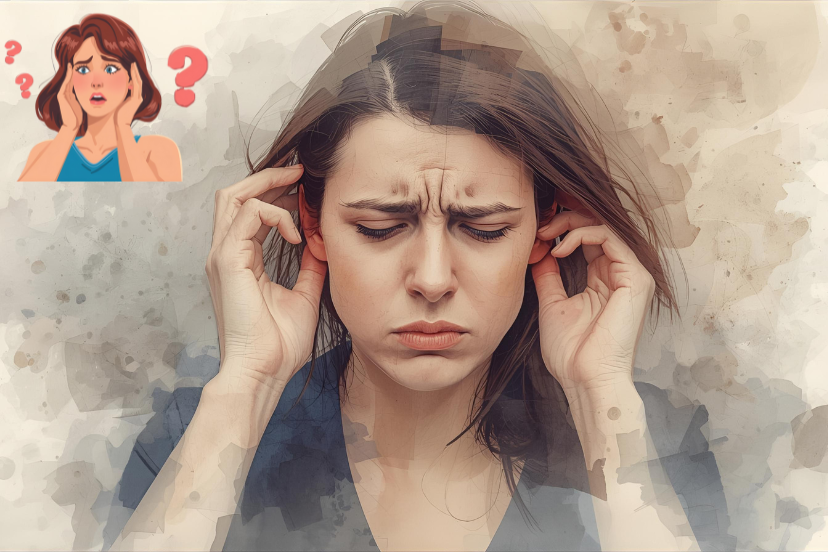
If you live with ringing in your ears, buzzing, or whooshing sounds that won’t go away, you’re not alone. Many people notice that tinnitus feels louder during stressful periods. The stress and tinnitus connection can feel like a loop: stress increases tinnitus awareness, and the constant sound increases anxiety, frustration, and sleep problems.
Understanding this relationship is often the first step toward breaking the cycle. In this guide, you’ll learn how stress affects tinnitus perception, how to recognize stress-driven tinnitus patterns, what improvement often looks like over time, and which strategies can help you manage both stress and tinnitus more effectively.
Quick Answer: Stress and Tinnitus Connection
Stress does not usually “cause” tinnitus by itself, but it can make tinnitus feel louder by increasing nervous system alertness, muscle tension, and sound sensitivity. When stress and poor sleep build up, the brain pays more attention to internal sound signals, which increases tinnitus awareness. Many people reduce tinnitus distress by combining sound support, sleep habits, and stress management strategies.
Understanding The Stress And Tinnitus Connection
Tinnitus is a symptom, not a disease. It can be linked to hearing loss, noise exposure, ear infections, jaw or neck tension, and other factors. Stress is often a powerful amplifier rather than the original cause.
When the body is stressed, it releases stress hormones that can affect:
• Blood pressure and circulation
• Muscle tension in the jaw, neck, and shoulders
• Nervous system sensitivity
• Sleep quality and brain sound filtering
These changes can make tinnitus feel louder or harder to ignore, even if the tinnitus signal itself has not changed.
What This Often Feels Like In Real Life
Many people recognize patterns like:
• Tinnitus is manageable during calm weeks but spikes during deadlines or family stress
• Ringing feels louder after arguments, bad news, or anxious thoughts
• Tinnitus becomes most noticeable at night when the mind is racing
• A stressful day leads to poor sleep, and then tinnitus feels worse the next day
Some people notice “stress stacking”:
• Poor sleep
• More caffeine
• Less exercise
• More tension in the jaw and neck
• More tinnitus awareness
This can create a loop where tinnitus becomes a stress signal, even when nothing “new” is wrong in the ears.
Self Check: Is Stress Likely Amplifying Your Tinnitus?
Stress amplification is more likely if:
• Tinnitus spikes during anxiety or high workload periods
• Symptoms are worse after poor sleep
• You notice jaw clenching, neck tightness, or headaches during tinnitus spikes
• Tinnitus improves on vacation or calmer weekends
• Sound masking helps you cope at night
Stress may be less likely to be the main driver if:
• Tinnitus started suddenly after loud noise exposure
• You have new hearing loss or ear fullness
• Tinnitus is one-sided and persistent
• Tinnitus is rhythmic and matches your heartbeat
Stress can still be involved, but these patterns may need medical evaluation.
How Stress Affects The Brain And Hearing
Stress affects the brain systems that control attention and emotion. When stressed:
• The brain becomes more alert to internal sensations
• The limbic system reacts more strongly to unwanted sound
• The nervous system stays in a “high alert” state
• Sleep becomes lighter and less restorative
This helps explain why two people with similar tinnitus loudness can have very different experiences. The distress level often depends on how strongly the brain interprets tinnitus as a threat or danger signal.
Why Tinnitus Often Feels Louder During Stress
Stress can increase tinnitus awareness through several pathways:
• Reduced sound filtering when the brain is tired
• Increased muscle tension affecting jaw, neck, and head nerves
• Increased blood pressure that may increase sensation awareness
• Increased focus on symptoms when trying to relax
At night, this effect often becomes stronger because the environment is quiet and the brain has fewer distractions.
Common Triggers That Link Stress And Tinnitus
Some common trigger categories include:
• Work overload or burnout
• Poor sleep or irregular sleep schedule
• Loud noise exposure combined with stress
• Illness recovery and fatigue
• Anxiety, depression, or emotional overload
• Caffeine, nicotine, or alcohol during high-stress weeks
Tracking triggers often reveals patterns that are not obvious day to day.
Typical Pattern Of Stress Related Tinnitus Improvement
Stress tinnitus management often improves in stages.
Early Stage
• Tinnitus feels unpredictable
• Stress spikes create sudden increases in awareness
Skill Building Stage
• Sound support and relaxation reduce nighttime distress
• Tinnitus spikes still happen, but feel less scary
Stability Stage
• Better sleep and calmer nervous system baseline
• Tinnitus becomes less intrusive even if still present
Improvement often means tinnitus becomes less distressing and less attention-grabbing, not necessarily total silence.
Stress-Related Tinnitus Vs Other Common Tinnitus Types
Stress Amplified Tinnitus
• Fluctuates with anxiety and sleep
• Often worse at night
• Improves with relaxation and sound masking
Noise Damage Tinnitus
• Often steady or persistent
• Often follows loud exposure
• May be less influenced by daily stress shifts
Somatic Tinnitus
• Changes with jaw, neck, or posture
• May improve with stretching or physical therapy
• Often paired with tension headaches
Pulsatile Tinnitus
• Rhythmic and heartbeat-like
• Needs medical evaluation
Decision Support: When Monitoring Is Reasonable Vs When To Seek Care
When Monitoring At Home Is Reasonable
• Tinnitus is long-standing and stable
• Spikes clearly follow stress or poor sleep
• No hearing loss
• No dizziness or neurological symptoms
• Sound masking and relaxation help

When Medical Evaluation Is Important
• Sudden onset of tinnitus
• New hearing loss, ear fullness, or one-sided tinnitus
• Severe dizziness or balance problems
• Pulsing tinnitus matching heartbeat
• Tinnitus after head injury
• Severe anxiety or sleep disruption that feels unmanageable
If stress is severe, support from a healthcare provider or mental health professional can be just as important as ear-focused care.
Medical And Professional Treatments That Can Help
Hearing Aids For Tinnitus
If hearing loss is present, hearing aids may reduce tinnitus awareness by increasing external sound input.
Tinnitus Retraining Therapy (TRT)
TRT combines counseling and sound therapy to help the brain reduce attention and distress responses.
Cognitive Behavioral Therapy (CBT)
CBT is one of the most effective options for breaking the stress-tinnitus loop. It helps reduce fear-based attention and improves coping.
Sound Masking Tools
• White noise machines
• Fans or environmental sounds
• Sound therapy apps
These tools reduce the silence effect that makes tinnitus feel louder.
Medication Review
There is no universal medication cure for tinnitus, but healthcare providers may address sleep or anxiety when needed. Medication decisions should be individualized.
Natural Remedies And Lifestyle Strategies
Breathing And Nervous System Calming
• Slow breathing
• Progressive muscle relaxation
• Short guided meditations
Movement And Tension Release
• Gentle yoga
• Stretching for jaw, neck, and shoulders
• Daily walks to reduce stress hormones
Sleep Support
• Consistent bedtime and wake time
• Lower screen exposure before bed
• Soft background sound at night
Nutrition And Stimulant Awareness
• Reduce caffeine if you notice spikes
• Reduce nicotine and alcohol if they worsen tinnitus
• Stay hydrated to support nervous system stability
Why The Nervous System Amplifies Tinnitus During Anxiety
The nervous system has two broad modes:
• Calm and recovery mode
• Alert and threat response mode
During stress, the brain becomes more focused on “signals” and possible threats. Tinnitus can be interpreted as a threat signal, causing more attention to the sound. This increased attention can make tinnitus feel louder, even without a change in the ear itself.
Reducing stress does not always remove tinnitus, but it often reduces the brain’s alarm response to it.
Expectation Vs Reality
Expectation:
If stress is controlled, tinnitus should disappear completely.
Reality:
Stress reduction often lowers tinnitus distress and awareness, improves sleep, and shortens flare-ups. Many people still hear tinnitus sometimes, but it becomes far less disruptive.
Coping Strategies For Daily Life
• Use background sound during quiet work or bedtime
• Take short relaxation breaks during stressful days
• Build a consistent sleep routine
• Practice attention shifting toward external tasks
• Track triggers like stress, sleep loss, caffeine, or illness
• Consider support groups for encouragement and practical tips
Prevention Tips: Reducing The Cycle Before It Builds
• Protect hearing from loud noise exposure
• Prioritize sleep consistency
• Use stress management daily, not only during flare-ups
• Keep routines stable during stressful weeks
• Address jaw and neck tension early
• Get hearing checkups if tinnitus is persistent
Real World Example Patterns
Many people find relief through combinations rather than one solution.
Common helpful combinations include:
• Sound masking plus sleep routine
• CBT plus stress reduction practices
• Hearing aid support plus relaxation strategies
• Exercise plus reduced caffeine and nicotine
The right combination depends on your triggers and how your nervous system responds.
FAQs About Stress and Tinnitus Connection
Can Stress Really Cause Tinnitus?
Stress usually does not create tinnitus by itself, but it can strongly amplify tinnitus awareness and distress.
Why Does Tinnitus Get Louder When I’m Stressed?
Stress increases nervous system sensitivity, muscle tension, and attention to internal signals, making tinnitus more noticeable.
Can Anxiety Cause Permanent Tinnitus?
Anxiety typically does not permanently create tinnitus, but it can make existing tinnitus feel more severe and harder to cope with.
How Can I Calm Stress-Related Tinnitus Quickly?
Many people benefit from sound masking, slow breathing, progressive muscle relaxation, and a calming bedtime routine.
Does Lack Of Sleep Make Tinnitus Worse?
Yes. Poor sleep increases stress hormones and reduces brain sound filtering, making tinnitus feel louder.
Are Supplements Helpful For Stress Related Tinnitus?
Some people explore magnesium or B vitamins, but results vary. Always consult a healthcare provider before starting supplements.
When Should I See A Doctor?
Seek care for sudden tinnitus, hearing loss, dizziness, pulsatile tinnitus, or severe anxiety and sleep disruption.
Final Takeaway: Taking Control Of Stress And Tinnitus
The stress and tinnitus connection can feel overwhelming, but it is often manageable. Stress can amplify tinnitus by increasing nervous system alertness, tension, and sleep disruption. By reducing stress reactivity, improving sleep habits, and using sound support strategies, many people reduce tinnitus distress and regain a sense of control.
If tinnitus changes suddenly or is paired with hearing loss, dizziness, or severe anxiety, medical evaluation is important. Many people do best with a combined approach that addresses both the ear and the nervous system.
Disclaimer
This article is for informational purposes only and does not substitute for professional medical advice. Always consult a qualified healthcare provider for diagnosis and treatment decisions. Seek urgent medical care for sudden hearing loss, severe dizziness, or other concerning symptoms.
Explore more:
- When to See Doctor for Tinnitus
- Does Everyone Have Tinnitus In Silence
- The Cortisol and Tinnitus Connection