Does Tinnitus Go Away? What You Need To Know In 2026

Tinnitus is not always permanent. Temporary tinnitus caused by loud noise exposure, stress, ear infections, medication side effects, or poor sleep may improve within days or weeks. Chronic tinnitus may last longer, but many people experience significant relief after identifying triggers and using targeted coping strategies.
The key is understanding why the tinnitus started in the first place.
Quick Answer
For some people, tinnitus goes away completely. For others, it becomes less noticeable over time or can be managed successfully with the right approach. In 2026, new research, sound therapies, hearing technologies, and personalized treatment strategies are helping more people reduce tinnitus symptoms and improve their daily lives.
Simple Explanation
Tinnitus is the perception of sound without an external source. People often describe it as:
- Ringing
- Buzzing
- Hissing
- Clicking
- Humming
- Pulsing
- Static-like noise
The sound may come and go, stay constant, or change throughout the day.
Tinnitus itself is not usually a disease. Instead, it is often a symptom connected to something else happening in the body or the hearing system.
Common Causes Of Tinnitus In 2026
Loud Noise Exposure
Concerts, headphones, gaming headsets, work environments, and sudden loud sounds can overstimulate the hearing system.
Hearing Loss
Age-related hearing changes remain one of the biggest tinnitus triggers.
Stress And Anxiety
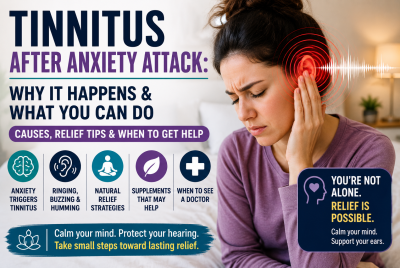
Many people notice that tinnitus becomes louder during stressful periods.
Poor Sleep
Lack of sleep may increase tinnitus awareness and sensitivity.
Earwax Blockage
A simple blockage can sometimes trigger ringing sensations.
Certain Medications
Some medications may affect hearing or increase tinnitus symptoms temporarily.
Jaw And Neck Problems
TMJ dysfunction, posture issues, and neck tension are increasingly linked to tinnitus symptoms.
Blood Flow Changes
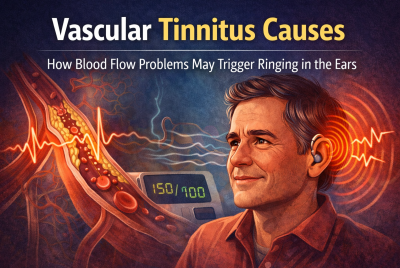
Pulsatile tinnitus may relate to circulation or blood vessel changes.
Can Tinnitus Go Away Completely?
The answer depends on the cause.
Temporary Tinnitus
Temporary tinnitus often improves when the underlying issue resolves.
Examples include:
- After a loud concert
- During a stressful week
- Following an ear infection
- From temporary medication effects
- During periods of poor sleep
Some people recover fully within hours or days.

Others may need weeks or months.
Chronic Tinnitus
Chronic tinnitus usually lasts longer than three months.
Even when it does not disappear completely, many people report that:
- The sound becomes quieter
- The brain adapts to it
- They stop noticing it as often
- Daily life improves significantly
This process is sometimes called “habituation.”
What’s New For Tinnitus In 2026?
2026 has brought more focus on personalized tinnitus management instead of “one-size-fits-all” solutions.
AI-Powered Sound Therapy
Some newer hearing apps and sound systems now adapt to a user’s tinnitus frequency automatically.
These systems may help reduce sound awareness during sleep, work, or quiet environments.
Smarter Hearing Aids
Modern hearing aids now include:
- Background sound balancing
- Tinnitus masking modes
- Adaptive environmental sound processing
- Smartphone integration
Many users with hearing loss report reduced tinnitus awareness after improving hearing clarity.
Better Sleep-Focused Approaches
Researchers increasingly recognize the connection between tinnitus and sleep quality.

2026 treatment plans often combine:
- Sleep hygiene improvements
- Relaxation techniques
- White noise systems
- Stress reduction habits
Increased Focus On Nervous System Regulation
Newer approaches focus on calming the nervous system instead of only masking the sound.
This may include:
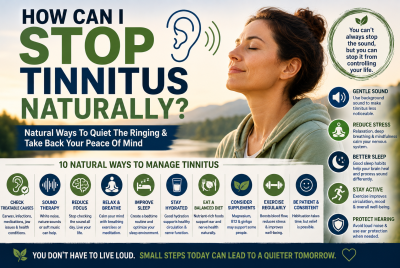
- Breathing exercises
- Mindfulness training
- Sound enrichment
- Cognitive behavioral therapy strategies
- Stress management routines
More Awareness Of Neck And Jaw Links
Clinics are paying closer attention to posture, jaw tension, and cervical spine issues connected to tinnitus.
Some people notice improvements after addressing:
- Teeth grinding
- Neck strain
- Poor posture
- Shoulder tension
Real-Life Scenarios
Scenario 1: Temporary Ringing After Loud Noise
A person attends a loud concert and notices ringing afterward.
The ringing lasts several hours and slowly fades over a few days.
This type of temporary tinnitus is common after noise exposure.
Protecting hearing early may reduce the risk of long-term problems.
Scenario 2: Stress-Related Tinnitus
Someone experiences high stress, poor sleep, and anxiety during a difficult work period.
Their tinnitus suddenly feels louder at night.
After improving sleep habits, reducing caffeine, exercising regularly, and lowering stress, the tinnitus becomes far less noticeable.
Scenario 3: Tinnitus Linked To Hearing Loss
An older adult develops mild hearing loss and persistent ringing.
After using hearing aids with tinnitus support features, conversations become clearer and the tinnitus fades more into the background.

Scenario 4: Neck And Jaw Tension
A person with desk-job posture problems notices tinnitus worsens after long computer sessions.
Physical therapy, stretching, and posture correction reduce both neck pain and tinnitus intensity.
Practical Tips And Solutions
Protect Your Hearing
Avoid repeated loud noise exposure whenever possible.
Helpful habits include:
- Lowering headphone volume
- Wearing hearing protection at concerts
- Taking listening breaks
- Avoiding prolonged loud environments
Improve Sleep Quality
Many tinnitus sufferers notice symptoms worsen when exhausted.
Try:
- Consistent sleep schedules
- Reducing screen time before bed
- Using calming background sounds
- Keeping the room cool and dark
Reduce Stress Levels
Stress may increase tinnitus awareness.
Helpful strategies include:
- Walking
- Meditation
- Deep breathing
- Stretching
- Journaling
- Relaxation audio
Even small daily stress reductions may help.
Avoid Complete Silence
Silence can make tinnitus seem louder.
Many people benefit from soft background sounds like:
- Rain sounds
- Fans
- White noise
- Nature audio
- Soft instrumental music
Watch Caffeine And Alcohol Triggers
Not everyone reacts the same way, but some people notice tinnitus spikes after:
- Excess caffeine
- Alcohol
- Nicotine
- Energy drinks
Keeping a symptom journal may help identify patterns.
Check Your Posture
Long hours on phones and computers may contribute to neck tension.
Simple changes include:
- Raising screen height
- Stretching regularly
- Improving desk ergonomics
- Avoiding forward-head posture
Consider A Hearing Evaluation
If tinnitus continues, a hearing professional may help identify underlying issues.
This is especially important if tinnitus includes:
- Sudden hearing loss
- Dizziness
- One-sided ringing
- Pulsing sounds
- Ear pain
FAQ: Does Tinnitus Go Away?
1. Does Tinnitus Go Away Naturally?
Yes, some tinnitus cases improve naturally, especially when caused by temporary factors like stress, loud noise exposure, or illness. Others may require ongoing management strategies.
2. How Long Does Tinnitus Usually Last?
Temporary tinnitus may last hours, days, or weeks. Chronic tinnitus lasts longer than three months, though symptom intensity often changes over time.
3. Can Stress Cause Tinnitus?
Stress does not always directly cause tinnitus, but it can make symptoms feel louder and more noticeable. Many people experience spikes during stressful periods.
4. Does Tinnitus Mean Hearing Loss?
Not always. However, tinnitus commonly appears alongside hearing changes, especially age-related hearing loss or noise-related hearing damage.
5. What Helps Tinnitus At Night?
Helpful nighttime strategies may include:
- White noise
- Fans
- Relaxation audio
- Sleep hygiene improvements
- Reducing caffeine late in the day
Many people notice tinnitus more in quiet rooms.
6. What Are The New Tinnitus Treatments In 2026?
Newer approaches in 2026 focus on personalized sound therapy, smarter hearing devices, nervous system regulation, sleep support, and AI-assisted hearing technology.
Research continues into additional therapies and brain-based tinnitus management methods.
Final Thoughts
So, does tinnitus go away?
For some people, yes.
For others, it becomes much less noticeable over time.
The most important thing to understand is that tinnitus experiences vary greatly from person to person. What works for one individual may not work for another. In 2026, the biggest shift is toward personalized management and identifying the underlying causes instead of chasing quick fixes.
Many people find real improvement through:
- Better sleep
- Stress reduction
- Hearing support
- Sound therapy
- Lifestyle adjustments
- Protecting hearing health
If tinnitus is affecting your quality of life, daily concentration, or sleep, seeking professional guidance may help uncover contributing factors and improve symptom management.
Disclaimer
This article is for informational and educational purposes only and does not provide medical advice, diagnosis, or treatment. Always consult a qualified healthcare professional regarding tinnitus symptoms, hearing concerns, or medical conditions.
 Explore more: