Tinnitus Retraining Therapy: How Tinnitus Retraining Therapy Helps Your Brain Ignore Ear Ringing
🔊 Why Tinnitus Can Feel Impossible To Escape
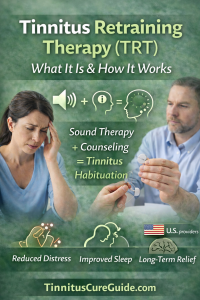
If you live with tinnitus, you know it’s not just a sound — it’s a constant presence. The ringing, buzzing, or whooshing can follow you into quiet rooms, disrupt sleep, increase anxiety, and make it hard to focus. Many people try medications or supplements first, but one of the most researched long-term management options is tinnitus retraining therapy.
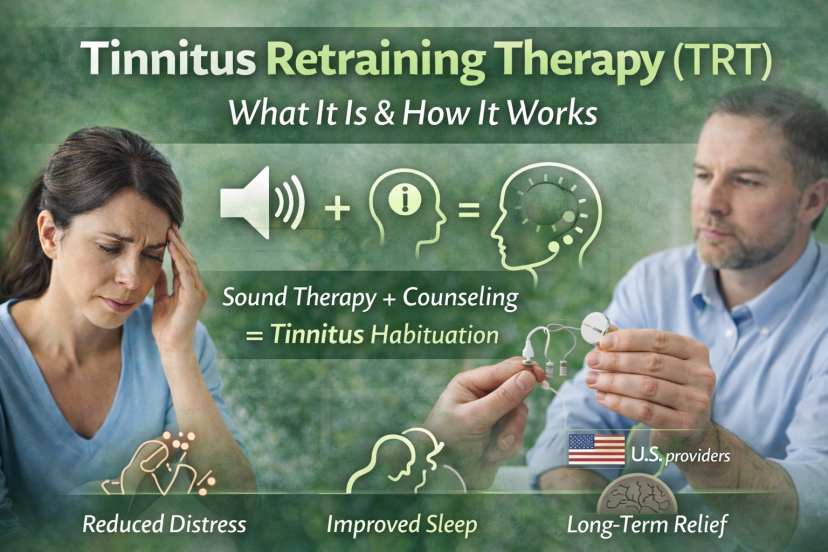
Unlike quick-fix solutions, tinnitus retraining therapy focuses on retraining how your brain responds to tinnitus. Instead of trying to eliminate the sound, TRT tinnitus helps your brain treat tinnitus as neutral background noise — similar to how you stop noticing the sound of a fan or refrigerator.
This guide explains how habituation therapy ear ringing programs work, what to expect during treatment, and how to find qualified sound counseling tinnitus providers in the U.S.
🌿 What Is Tinnitus Retraining Therapy And How Does It Work?
Tinnitus retraining therapy is a structured treatment combining sound therapy with professional counseling.
The Two Core Parts Of Tinnitus Retraining Therapy
-
Sound therapy to reduce the contrast between tinnitus and silence
-
Sound counseling and tinnitus education to reduce fear and anxiety
The goal of tinnitus retraining therapy is habituation — teaching the brain to ignore tinnitus signals.
🧠 Why The Brain Keeps Noticing Tinnitus
Tinnitus becomes more noticeable when the brain tags it as important or threatening.
The Tinnitus Attention Cycle
-
The brain detects tinnitus
-
The brain labels it as danger
-
Anxiety increases
-
Tinnitus seems louder
-
The brain focuses on it more
Tinnitus retraining therapy helps break this loop.
🔊 TRT Tinnitus: The Science Of Habituation Therapy Ear Ringing
Habituation happens when the brain stops reacting to repeated harmless signals.
Examples include:
-
Air conditioner noise
-
Traffic outside your home
-
Computer fan sounds
TRT tinnitus helps your brain categorize tinnitus as a neutral signal instead of a threat.
💆♂️ Who Benefits Most From Tinnitus Retraining Therapy?
Tinnitus retraining therapy may help people who:
-
Feel distressed by tinnitus
-
Have trouble sleeping because of tinnitus
-
Feel anxiety or panic from ear ringing
-
Haven’t improved with medication alone
🧘♀️ What Happens During Tinnitus Retraining Therapy Treatment?
Step 1: Detailed Tinnitus Evaluation
Provider reviews:
-
Hearing tests
-
Tinnitus history
-
Emotional impact
-
Sound tolerance
Step 2: Sound Therapy Setup
May include:
-
White noise generators
-
Hearing aids with masking
-
Environmental sound enrichment
Step 3: Sound Counseling Tinnitus Education
Teaches:
-
How tinnitus is generated
-
Why does brain attention increase symptoms
-
How does habituation therapy for ear ringing works
⏱ How Long Does Tinnitus Retraining Therapy Take?
Most TRT tinnitus programs last:
-
12–24 months total
-
Improvement often begins within 3–6 months
Tinnitus retraining therapy requires consistency and patience.
🌿 Supporting Tinnitus Retraining Therapy With Lifestyle Changes
Helpful Daily Habits
-
Consistent sleep schedule
-
Stress reduction routines
-
Regular exercise
-
Limiting caffeine late in the day
💊 Supplements That May Support TRT Tinnitus Programs
Some people combine tinnitus retraining therapy with supplements supporting nerve and circulation health.
Common examples:
-
Magnesium – Supports nerve calming
-
Vitamin B12 – Supports nerve repair
-
Ginkgo biloba – Supports blood flow
Always consult healthcare providers first.
🔊 Home Sound Therapy Tips That Support TRT
Simple Sound Enrichment Ideas
-
Soft nature sounds at night
-
White noise apps
-
Low-volume background music
These help the progress of habituation therapy for ear ringing.
🇺🇸 Finding Tinnitus Retraining Therapy Providers In The U.S.
Many TRT tinnitus providers include:
-
Audiologists
-
ENT clinics
-
Tinnitus specialty centers
Look for providers trained in sound counseling tinnitus methods.
Tinnitus Retraining Therapy At Home
🌿 Prevention Tips While Doing TRT Tinnitus
Long-Term Hearing Protection Tips
-
Avoid loud headphone volumes
-
Wear hearing protection at concerts
-
Manage stress levels
-
Maintain cardiovascular health
🚨 When To See A Doctor Or Audiologist
See a professional if tinnitus:
-
Starts suddenly
-
Occurs in one ear only
-
Comes with hearing loss
-
Includes dizziness or balance problems
-
Pulses with heartbeat
❓ FAQs About Tinnitus Retraining Therapy (TRT)
1. Does TRT cure tinnitus?
No. It helps reduce distress and awareness, not eliminate the sound.
2. Is TRT tinnitus better than medication?
For many people, yes — because it addresses brain response rather than just symptoms.
3. Can I do TRT at home?
Some sound therapy can be done at home, but counseling is key for the best results.
4. Is habituation therapy for ear ringing permanent?
Many people maintain results long-term if they continue healthy habits.
5. Does insurance cover tinnitus retraining therapy?
Some U.S. plans cover parts of the treatment. Coverage varies.
6. Is tinnitus retraining therapy safe?
Yes. It is non-invasive and widely recommended.
7. What if tinnitus retraining therapy doesn’t work for me?
Other therapies, such as CBT or TMJ therapy, may help.
🌿 Final Thoughts: Training Your Brain Takes Time — But It Works
Living with tinnitus is challenging — but many people find relief through tinnitus retraining therapy. Over time, TRT tinnitus helps your brain treat tinnitus as background noise instead of a threat.
Progress takes patience, but consistent therapy, sound enrichment, and lifestyle support can significantly improve quality of life.
⚠️ Medical Disclaimer
This article is for informational purposes only and is not medical advice. Always consult a qualified healthcare provider before starting any treatment or therapy.
 Explore more:
- Mindfulness, Meditation & Relaxation For Tinnitus Relief
- Pulsatile Tinnitus Heartbeat
- Medications That Can Cause Or Worsen Tinnitus