What To Do About Tinnitus: Practical Steps That Actually Help
🧑 Living With Tinnitus Can Be Mentally Exhausting
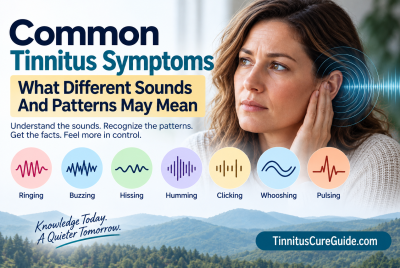
Constant ringing, buzzing, hissing, or whooshing in your ears can wear you down faster than most people realize. Tinnitus doesn’t just affect hearing—it affects sleep, focus, mood, and daily confidence. Many people silently ask the same question every day: what to do about tinnitus when it won’t go away?
If you’ve tried ignoring it, searching endlessly online, or jumping between supplements and remedies, you’re not alone. The frustration often comes from unclear advice and unrealistic promises.
The good news is this: while tinnitus doesn’t always have a quick cure, there are clear, evidence-based steps that genuinely help most people manage it. The key is following a structured tinnitus management plan instead of chasing random fixes.
This guide walks you through practical, step-by-step tinnitus coping strategies that really work—physically, mentally, and emotionally.
🔊 Step 1: Get The Right Medical Evaluation First
Before focusing on symptom management, it’s essential to rule out underlying conditions.
✅ Why medical evaluation matters:
- Identifies treatable causes
- Rules out hearing damage or infection
- Provides reassurance
- Prevents missed red flags
✅ Who to see:
- Primary care physician (initial screening)
- ENT (ear, nose, throat) specialist
- Audiologist for hearing tests
Even if ear ringing seems minor, early evaluation supports better long-term outcomes.

🚨 When To Seek Immediate Care
Get medical help promptly if tinnitus is:
- Sudden and severe
- Only in one ear
- Pulsating or heartbeat-like
- Accompanied by hearing loss, dizziness, or pain
These symptoms require professional assessment before self-management.
🔊 Step 2: Understand What Triggers Your Tinnitus
A key part of living with tinnitus is understanding what makes it louder—or quieter.
✅ Common tinnitus triggers:
- Stress and anxiety
- Loud noise exposure
- Poor sleep
- Caffeine or alcohol
- Dehydration
- Jaw or neck tension
Keeping a simple tinnitus journal can reveal patterns. Awareness alone often reduces anxiety and sound intensity.
🔊 Step 3: Use Sound Therapy For Consistent Ear Ringing Relief
Sound therapy is one of the most effective and widely recommended tinnitus coping strategies.
✅ Why sound therapy works:
- Reduces contrast between ringing and silence
- Helps retrain the brain to stop focusing on tinnitus
- Improves sleep quality
The goal is not to “cover” tinnitus—but to reduce awareness and emotional reaction.
🔊 Sound Therapy Options
✅ White noise machines
✅ Nature sounds or soft music
✅ Fans or air purifiers
✅ Mobile apps like ReSound Relief, myNoise, Widex Zen
Many people notice improvement within days or weeks of regular use.
🔊 Step 4: Improve Sleep—Even If Tinnitus Is Loud At Night
Poor sleep amplifies tinnitus, creating a frustrating cycle.
✅ Sleep strategies that help:
- Use background noise consistently
- Go to bed at the same time nightly
- Avoid screens before sleep
- Limit caffeine after early afternoon
Improving sleep doesn’t eliminate tinnitus—but it makes it easier to cope with.
🔊 Step 5: Reduce Stress To Quiet The Nervous System
Stress doesn’t cause tinnitus—but it strongly affects how loud and intrusive it feels.
✅ Why stress worsens tinnitus:
- Activates fight-or-flight response
- Increases sound sensitivity
- Raises attention and anxiety
Reducing stress is one of the most powerful tinnitus management tools.
🧘♀️ Practical Stress Reduction Techniques
✅ Deep breathing exercises
✅ Progressive muscle relaxation
✅ Guided mindfulness meditations
✅ Gentle yoga or stretching
Just 10–15 minutes daily can significantly reduce the intensity of ear ringing for many people.
🔊 Step 6: Adjust Lifestyle Habits That Affect Tinnitus
Small daily habits make a big difference over time.
✅ Lifestyle changes that help:
- Stay hydrated
- Limit nicotine and alcohol
- Protect your ears from loud noise
- Maintain healthy blood pressure
- Stretch neck and jaw muscles
These changes support long-term ear and nervous system health.
🔊 Step 7: Consider Supplements Carefully (Not As Cures)
Supplements aren’t miracle cures—but some may support ear ringing management.
🌿 Supplements sometimes used:
- Magnesium: supports nerve calm
- Vitamin B12: deficiency linked to ear ringing
- Ginkgo biloba: may support circulation
Always consult a healthcare provider before starting supplements, especially if you take medications.
🔊 Step 8: Cognitive And Emotional Coping Strategies
The emotional response to tinnitus matters as much as the sound itself.
✅ Psychological approaches that help:
- Cognitive Behavioral Therapy (CBT)
- Tinnitus retraining approaches
- Acceptance-based coping strategies
CBT is recommended by U.S. audiology associations and has strong evidence supporting its effectiveness in reducing ear-ringing distress.
🔊 Step 9: Build A Long-Term Tinnitus Management Plan
Tinnitus management works best when approached as a system—not a single solution.
✅ A strong tinnitus management plan includes:
- Sound therapy
- Stress reduction
- Healthy routines
- Professional support
- Patience and consistency
Most people experience gradual improvement over months—not overnight.
🚫 What To Avoid When Dealing With Tinnitus
Not everything marketed for tinnitus is helpful.
❌ Common pitfalls:
- Chasing “instant cures”
- Constantly checking tinnitus loudness
- Avoiding all sound
- Spending excessive time researching
Shifting focus away from ear ringing often reduces awareness naturally.
🧑 Living With Tinnitus: What Real Improvement Looks Like
Improvement doesn’t always mean silence.
✅ Signs tinnitus management is working:
- Less emotional reaction
- Improved sleep
- Better focus
- Ringing fades into the background
Many people reach a point at which ear ringing is no longer distressing, even when faintly present.
❓ FAQs: What To Do About Tinnitus
1. What is the first thing to do about tinnitus?
Get a medical evaluation to rule out treatable causes and gain reassurance.
2. Can tinnitus improve over time?
Yes. Many people experience reduced perception and distress with proper management.
3. What helps tinnitus the fastest?
Sound therapy combined with stress reduction often provides the quickest relief.
4. Should I avoid silence if I have tinnitus?
Yes. Silence increases ear-ringing awareness. Gentle background sound helps.

5. Can anxiety cause tinnitus?
Anxiety can worsen the perception and frequency of ear ringing.
6. Is tinnitus permanent?
Not always. Even chronic tinnitus can become much less noticeable.
7. Can I live a normal life with tinnitus?
Absolutely. Most people adapt and regain quality of life with the right strategies.
💥 Conclusion: You Have More Control Over Tinnitus Than You Think
If you’ve been wondering what to do about tinnitus, the answer isn’t one magic fix—it’s a consistent, practical approach.
By combining medical guidance, sound therapy, stress management, healthy habits, and emotional coping strategies, most people find meaningful ear ringing relief over time. Tinnitus doesn’t have to control your life.
With patience, education, and a clear tinnitus management plan, it’s possible to move from frustration to confidence—and from constant focus on sound to living fully again.
⚠️ Medical Disclaimer
This content is for informational purposes only and does not replace professional medical advice. Always consult a qualified healthcare provider for diagnosis and treatment of tinnitus or hearing-related conditions.
 Explore more:
- Ringing In The Ear Treatment
- Can Tinnitus Cause Headaches and Dizziness?
- Ozone Treatment For Tinnitus