Why Tinnitus Gets Louder At Night (And What Germans Do About It)

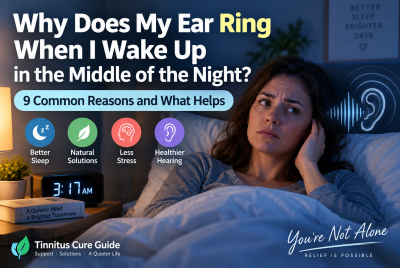
You lie down, the room gets quiet… and suddenly the ringing in your ears feels louder than ever.
If you experience this, you’re not alone. Many people in Germany notice that tinnitus becomes more intense at night — even if it seemed manageable during the day.
This can make it harder to fall asleep, stay asleep, and feel rested the next morning.
The good news?
There are clear reasons why this happens — and practical ways to reduce it.
⚡ Quick Answer
Tinnitus often feels louder at night because the environment is quieter, there are fewer distractions, and the brain focuses more on internal sounds. Stress, fatigue, and silence can make the ringing more noticeable. Many people reduce nighttime tinnitus by using background noise, improving sleep habits, and managing stress.
🧠 Why Tinnitus Gets Louder At Night
1. The Brain Has Fewer Distractions
During the day, your brain is busy:

- Conversations
- Traffic noise
- Work and movement
At night, all of that disappears.
With fewer external sounds, your brain starts paying more attention to internal signals — including tinnitus.
👉 This doesn’t mean tinnitus is actually louder.
It just feels louder because there’s nothing else competing with it.
2. Silence Amplifies The Perception
Complete silence can make tinnitus stand out more.
Think of it like this:
- In a noisy room → tinnitus blends in
- In a silent room → tinnitus becomes the main sound
That’s why many people say the ringing becomes strongest right before sleep.
3. Stress And Mental Fatigue Build Up
By the end of the day, your body and mind are more tired.
This can lead to:
- Increased stress levels
- Heightened sensitivity to sound
- Less ability to “ignore” tinnitus
👉 Stress is one of the most commonly reported tinnitus triggers.
4. Your Body Slows Down
At night:
- Heart rate decreases
- Blood pressure changes
- Muscles relax
These natural shifts can sometimes make internal sensations — including ear ringing — more noticeable.
5. Sleep Position And Neck Tension
Your sleeping position can also play a role.
For example:
- Neck tension may increase when lying down
- Poor pillow support can affect circulation
- Jaw or cervical issues may influence tinnitus
👉 This is often called cervical tinnitus and is discussed more in posture-related cases.
🇩🇪 What Germans Do About Nighttime Tinnitus
In Germany, tinnitus is typically managed with practical, long-term strategies rather than quick fixes.
Here are some approaches commonly used:
🔊 1. Use Background Sound (Sound Therapy)
One of the most effective methods is adding gentle background noise.
Popular options include:
- White noise machines
- Nature sounds (rain, forest, ocean)
- Low-volume music
- Tinnitus apps
👉 The goal is simple:
Reduce the contrast between silence and tinnitus
Many people keep soft sound playing throughout the night.
😴 2. Build A Consistent Sleep Routine
A structured evening routine can help reduce how strongly tinnitus is perceived.
Helpful habits include:
- Going to bed at the same time
- Avoiding screens before sleep
- Keeping the room dark and comfortable
- Creating a calm wind-down period
👉 This helps your brain relax — making tinnitus less intrusive.
🧘 3. Focus On Relaxation Techniques
Since stress can amplify tinnitus, relaxation plays a key role.
Common techniques used include:
- Deep breathing exercises
- Progressive muscle relaxation
- Meditation or mindfulness
- Gentle stretching before bed
👉 Even a few minutes can make a noticeable difference.
☕ 4. Adjust Evening Habits
Certain habits may make tinnitus worse at night.
Consider limiting:
- Caffeine (especially late in the day)
- Alcohol
- Heavy meals before sleep
👉 These can affect sleep quality and increase awareness of tinnitus.
🛏️ 5. Optimize Your Sleep Environment
Small changes in your bedroom setup can help:

- Use a comfortable pillow with proper neck support
- Keep a slightly cool room temperature
- Add soft background noise
- Reduce total silence
👉 Comfort + subtle sound = better sleep conditions
⚠️ When Nighttime Tinnitus Might Need Medical Attention
In most cases, nighttime tinnitus is not dangerous.
However, you should consider speaking with a healthcare professional if:
- Tinnitus starts suddenly
- It occurs in only one ear
- It is accompanied by dizziness or hearing loss
- It gets progressively worse
👉 In Germany, a general practitioner (Hausarzt) or ENT specialist (HNO doctor) is typically the first step.
🧩 Real-Life Scenario
Imagine this:
You go to bed in complete silence.
Within minutes, the ringing becomes impossible to ignore.
Now you add soft background sound, relax your breathing, and stop focusing on the noise.
Over time, your brain starts to treat tinnitus as “unimportant.”
👉 This process is called habituation — and it’s a key goal in tinnitus management.
📊 Expectation vs Reality
- Expectation: tinnitus is louder at night
- Reality: it’s more noticeable due to the silence
- Expectation: you need total silence to sleep
- Reality: low-level sound often helps more
- Expectation: quick fix solution
- Reality: gradual improvement works best
✅ Self-Assessment Checklist
- Do you notice tinnitus mainly at night?
- Does silence make it worse?
- Is it stronger during stressful periods?
- Does background noise help reduce it?
👉 These patterns are very common and can guide your approach.
❓ FAQs About Why Tinnitus Gets Louder At Night
1. Why does tinnitus seem louder at night?
Tinnitus often seems louder at night because the environment is quieter and there are fewer distractions. Without background noise, the brain focuses more on internal sounds like ringing or buzzing.
2. Is tinnitus actually worse at night or just more noticeable?
In most cases, tinnitus is not physically louder at night — it is simply more noticeable. Silence and reduced sensory input make the sound stand out more.
3. Can stress make tinnitus worse at night?
Yes, stress can increase tinnitus awareness, especially at night. When your body is tired or stressed, your brain may have a harder time ignoring the ringing sound.
4. What helps reduce tinnitus at night?
Many people find relief by:
- Using white noise or background sounds
- Following a consistent sleep routine
- Practicing relaxation techniques
- Reducing caffeine and screen time before bed
These strategies help make tinnitus less noticeable.
5. Should I sleep in silence if I have tinnitus?
Sleeping in complete silence can make tinnitus feel louder. Many people benefit from low-level background noise, such as white noise or soft music, to reduce contrast and improve sleep.
🏁 Conclusion – Why Tinnitus Gets Louder At Night
Tinnitus often feels louder at night — not because it actually increases, but because your environment and brain make it more noticeable.
The most effective approach is not to fight the sound, but to reduce how much attention your brain gives it.
Simple strategies like:
- Background sound
- Better sleep habits
- Stress reduction
can make a real difference over time.
Many people in Germany successfully manage tinnitus this way — and with consistency, it often becomes far less intrusive.
⚠️ Disclaimer
This content is for informational purposes only and is not medical advice. If you experience persistent or worsening symptoms, consult a qualified healthcare professional.
 Explore more: