Vestibular Migraine And Ringing In The Ears: Why They’re Connected — And How To Find Relief
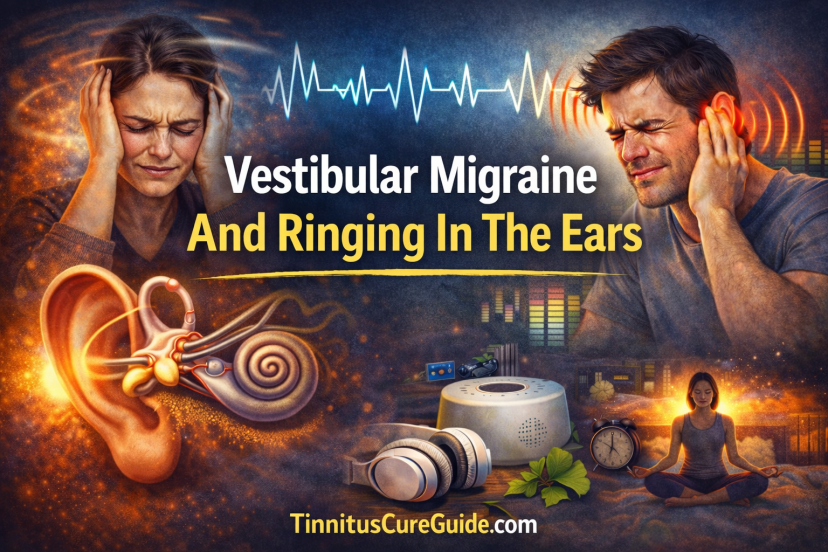
🧠 When Ringing, Dizziness, And Migraines Collide
Living with tinnitus is challenging enough on its own. The constant ringing, buzzing, hissing, or whooshing sounds can interfere with sleep, concentration, and emotional well-being. But for many people, tinnitus doesn’t appear alone. It arrives with dizziness, head pressure, nausea, visual disturbances, and waves of exhaustion.
If this sounds familiar, you may be dealing with vestibular migraine and ringing in the ears.
This combination can feel frightening and confusing—especially when symptoms come and go without warning. The good news is that vestibular migraine is a recognized neurological condition, and tinnitus linked to it is real, explainable, and manageable. Understanding the connection is the first step toward calming both your balance system and your ears.
🔊 What Is Vestibular Migraine?
Vestibular migraine is a type of migraine that primarily affects the balance system, rather than causing intense head pain alone. In fact, many people with vestibular migraine experience little or no headache.
Common vestibular migraine features
-
Dizziness or vertigo
-
Balance problems
-
Motion sensitivity
-
Visual disturbances
-
Ear-related symptoms
Ringing in the ears is one of the most common—and distressing—associated symptoms.
👂 Vestibular Migraine And Ringing In The Ears: The Core Connection
So why do vestibular migraine and ringing in the ears often occur together?

The inner ear and the brain are closely connected. Vestibular migraine affects how the brain processes sensory signals—including sound and balance.
Key mechanisms behind the connection
-
Abnormal nerve signaling in the brainstem
-
Changes in blood flow to the inner ear
-
Heightened sensory sensitivity
-
Inflammation affecting auditory pathways
These changes can cause tinnitus even when hearing tests appear normal.
🔔 Symptoms Of Vestibular Migraine With Tinnitus
Vestibular migraine symptoms vary widely and may shift over time.
Ear-related symptoms
-
Ringing or buzzing in one or both ears
-
Ear fullness or pressure
-
Sound sensitivity (hyperacusis)
Balance and neurological symptoms
-
Spinning or rocking sensations
-
Lightheadedness
-
Nausea
-
Brain fog or difficulty concentrating
Symptoms may last minutes, hours, or even days, and often worsen during stress or poor sleep.
🌿 Why Vestibular Migraine Often Goes Undiagnosed
Many people with vestibular migraine and ringing in the ears are told:
-
“Your ears look fine.”
-
“It’s just anxiety.”
-
“Your tests are normal.”
Vestibular migraine doesn’t always show up on standard imaging or hearing tests. Diagnosis is usually based on symptom patterns, history of migraine, and exclusion of other causes.
This can be frustrating—but it doesn’t mean your symptoms aren’t real.
🩺 How Vestibular Migraine Triggers Tinnitus
Tinnitus linked to vestibular migraine is thought to result from central nervous system sensitivity, rather than ear damage.
Contributing factors include
-
Overactive trigeminal nerve pathways
-
Fluctuating neurotransmitters
-
Cortical spreading depression (a migraine-related brain event)
-
Stress hormone imbalances
This explains why tinnitus may fluctuate with migraine triggers.
🧩 Common Triggers For Vestibular Migraine And Ringing In The Ears
Identifying triggers is essential for reducing symptoms.
Common migraine–tinnitus triggers
-
Stress or emotional overload
-
Poor or irregular sleep
-
Skipped meals or blood sugar dips
-
Dehydration
-
Bright lights or screen overuse
-
Hormonal changes
Food triggers vary but may include caffeine, alcohol, aged cheeses, and artificial sweeteners.
🧘♀️ Lifestyle Strategies That Calm Both Migraine And Tinnitus
Consistency is more important than perfection.

Daily habits that help
-
Maintain regular sleep and wake times
-
Eat balanced meals every 3–4 hours
-
Stay well hydrated
-
Reduce screen glare and blue light
-
Schedule daily stress-reduction time
These habits stabilize the nervous system and reduce sensory overload.
🔊 Sound Therapy For Vestibular Migraine–Related Tinnitus
Silence can make the ringing feel louder and more threatening.
Helpful sound therapy options
-
White noise machines
-
Nature sounds (rain, wind, ocean)
-
Low-volume background music
-
Hearing devices with sound masking
Many people in the U.S. use sound therapy apps at night to improve sleep and reduce tinnitus awareness.
💊 Supplements Commonly Used For Vestibular Migraine And Tinnitus
Supplements don’t cure vestibular migraine, but some may support nervous system balance.
Commonly discussed options
-
Magnesium: supports migraine prevention and nerve relaxation
-
Vitamin B12: supports nerve and inner ear health
-
Ginkgo biloba: may help inner ear circulation
Always consult a healthcare provider before starting supplements, especially if you take migraine medications.
💆♂️ Neck, Jaw, And Muscle Tension
Vestibular migraine often overlaps with muscle tension—especially in the neck and jaw.
Why this matters
-
Tension increases sensory input to the brain
-
Jaw and neck strain can amplify ear symptoms
-
Poor posture worsens balance signals
Gentle strategies
-
Neck mobility exercises
-
Jaw relaxation and massage
-
Ergonomic screen positioning
Reducing physical tension often reduces symptom intensity.
🧑 Stress, Anxiety, And Sensory Overload
Vestibular migraine and ringing in the ears can increase anxiety, which then worsens symptoms.
Helpful relaxation techniques
-
Slow breathing (longer exhale than inhale)
-
Guided body scans
-
Gentle yoga or stretching
Even 10 minutes daily can calm the migraine-prone nervous system.
🚨 When To See A Doctor About Vestibular Migraine And Ringing In The Ears
Before assuming symptoms are migraine-related, seek professional care if you experience:

-
Sudden hearing loss
-
One-sided tinnitus with weakness
-
Severe vertigo lasting days
-
Neurological symptoms like numbness or slurred speech
-
Rapid worsening of symptoms
An ENT, audiologist, or neurologist can help rule out other causes and confirm vestibular migraine.
❓ FAQs: Vestibular Migraine And Ringing In The Ears
Can vestibular migraine cause constant tinnitus?
Yes. Some people experience ongoing tinnitus that fluctuates with migraine activity.
Does vestibular migraine damage hearing?
Most cases do not involve permanent hearing damage, but symptoms can feel severe.
Why do symptoms worsen at night?
Fatigue, silence, and sensory overload throughout the day can amplify symptoms at night.
Can vestibular migraine occur without headaches?
Yes. Many people experience dizziness and tinnitus without classic migraine pain.
Is vestibular migraine related to Ménière’s disease?
They share symptoms, but they are distinct conditions with different mechanisms.
How long does tinnitus last with vestibular migraine?
It varies. Some episodes last hours, others fluctuate over weeks.
Can lifestyle changes really help?
Yes. Consistent routines often make a noticeable difference over time.
🧠 Conclusion: Calming The Brain Calms The Ears
Vestibular migraine and ringing in the ears can feel unpredictable and overwhelming—but they are manageable. These symptoms reflect a sensitive nervous system, not permanent damage.
By identifying triggers, supporting balance, reducing stress, and using sound therapy consistently, many people experience fewer flare-ups and a better quality of life. Progress may be gradual, but every small step helps your brain relearn stability and calm.
You are not broken. Your system is asking for balance, patience, and care.
⚠️ Medical Disclaimer
This article is for educational purposes only and does not replace professional medical advice. Always consult a qualified healthcare provider before making changes to treatment, supplements, or migraine management strategies.
 Explore more: