Tinnitus Myths Vs Facts: The Truth About Ear Ringing Most People Get Wrong
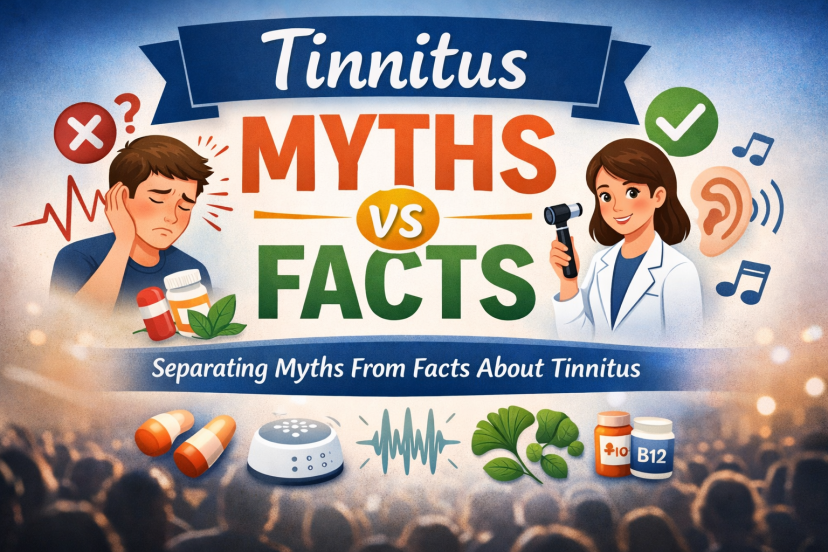
🔊 Living With Tinnitus: Why Misinformation Makes Symptoms Harder To Manage
If you live with tinnitus, you already understand how overwhelming it can feel. The constant ringing, buzzing, humming, or whooshing sound can follow you into quiet rooms, interrupt sleep, and make it difficult to focus during daily tasks. Over time, tinnitus can increase stress levels and affect emotional well-being.
Unfortunately, one of the biggest hidden struggles is misinformation. Many tinnitus myths continue to circulate online and in everyday conversations. Some people are told that tinnitus always means hearing loss is coming. Others hear that nothing can help. Some are promised fast cures that simply aren’t supported by science.
The truth is more balanced — and much more encouraging. Understanding real tinnitus facts can help reduce fear, improve treatment decisions, and support long-term symptom management. Many people successfully manage tinnitus using modern therapies, sound tools, and lifestyle changes.
This article breaks down common misconceptions tinnitus sufferers hear and replaces them with research-backed information used by hearing specialists across the United States.
🌿 What Tinnitus Really Is (And Why Understanding It Matters)
Tinnitus is the perception of sound without an external source. It is not a disease — it is a symptom of changes somewhere in the hearing system.
Common Tinnitus Sounds
-
Ringing
-
Buzzing
-
Hissing
-
Clicking
-
Roaring
-
Pulsing or whooshing
According to U.S. hearing health estimates, tens of millions of Americans experience tinnitus. For many, symptoms are mild and temporary. For others, tinnitus can be chronic and require long-term management.
Understanding tinnitus facts helps people focus on effective coping strategies instead of worrying about worst-case scenarios.
🧠 Why Tinnitus Myths Spread So Easily
Because tinnitus is invisible and highly personal, misinformation spreads quickly.
Reasons Misconceptions Tinnitus Information Spreads
-
Lack of public hearing education
-
Social media misinformation
-
Marketing of “miracle cure” products
-
Outdated medical beliefs
-
Individual symptom differences
Learning accurate tinnitus facts helps people avoid ineffective or risky treatments.
❌ Myth #1: Tinnitus Means You’re Going Deaf
✅ Fact: Hearing Loss And Tinnitus Are Linked — But Not Identical
Many people with tinnitus also have hearing loss, but tinnitus does not mean total hearing loss is coming.
Important tinnitus facts include:
-
Some people have tinnitus with normal hearing
-
Many people with hearing loss never develop tinnitus
-
Hearing aids often reduce tinnitus perception
Hearing aids can restore missing sound input, which may reduce brain over-focus on tinnitus signals.
❌ Myth #2: Nothing Can Help Tinnitus
✅ Fact: Many Evidence-Based Treatments Exist
This is one of the most harmful tinnitus myths. Many treatment options help reduce tinnitus distress and improve quality of life.
Evidence-Based Treatment Options
-
Sound therapy
-
Cognitive Behavioral Therapy (CBT)
-
Tinnitus Retraining Therapy (TRT)
-
Hearing aids
-
Stress management programs
These tinnitus facts are supported by major U.S. audiology organizations.
❌ Myth #3: Tinnitus Is Only An Ear Problem
✅ Fact: The Brain Plays A Major Role
Modern research shows tinnitus involves both the ear and the brain.
Tinnitus perception involves:
-
Auditory cortex processing
-
Emotional centers (Limbic system)
-
Attention and awareness networks
This explains why counseling tinnitus therapies help many patients.
❌ Myth #4: Supplements Cure Tinnitus Instantly
✅ Fact: Supplements May Support But Not Cure
Some nutrients studied in tinnitus research include:

Common Support Supplements
-
Magnesium
-
Vitamin B12
-
Ginkgo biloba
-
Zinc
These support nerve and circulation health, but are not instant cures. Real tinnitus facts emphasize consistent, long-term care.
❌ Myth #5: Tinnitus Always Gets Worse
✅ Fact: Many People Improve Through Habituation
Habituation happens when the brain learns to ignore tinnitus signals.
Over time, many people report that tinnitus becomes less noticeable, even if it doesn’t disappear completely.
❌ Myth #6: Silence Is Best For Tinnitus
✅ Fact: Sound Enrichment Usually Helps
Silence can increase tinnitus awareness.
Helpful sound tools include:
-
White noise machines
-
Nature sound apps
-
Fan noise
-
Soft music
These tools support sound counseling tinnitus strategies.
❌ Myth #7: Only Older Adults Get Tinnitus
✅ Fact: Tinnitus Affects All Age Groups
Younger adults may develop tinnitus due to:
-
Loud headphone use
-
Concert exposure
-
Stress
-
Jaw or neck tension
🔊 Evidence-Based Treatments That Support Tinnitus Management
🌿 Sound Therapy
Reduces contrast between tinnitus and silence and supports brain adaptation.
🧘♀️ CBT And Stress Management
Reduces emotional distress and improves coping ability.
💊 Nutritional Support
Supports nerve health and inner ear circulation.

🌿 Home Remedies That Support Tinnitus Relief
Helpful Daily Support Habits
-
Consistent sleep schedule
-
Hydration
-
Anti-inflammatory diet
-
Breathing exercises
-
Gentle neck and jaw stretching
🇺🇸 Tinnitus Support Options In The U.S.
Common treatment providers include:
-
Audiologists
-
ENT doctors
-
Tinnitus specialty clinics
-
Hearing aid centers
Many U.S. clinics combine sound therapy and counseling tinnitus methods.
🌿 Prevention Tips Based On Real Tinnitus Facts
Long-Term Hearing Protection Tips
-
Keep headphone volume below 60%
-
Use earplugs at concerts
-
Take listening breaks
-
Manage chronic stress
Prevention is one of the most important tinnitus facts for long-term ear health.
🚨 When To See A Doctor Or Audiologist
Seek medical care if tinnitus:
-
Starts suddenly
-
Occurs in one ear only
-
Comes with hearing loss
-
Includes dizziness
-
Pulses with heartbeat
-
Follows a head injury
❓ FAQs About Tinnitus Myths
1. Is tinnitus dangerous?
Usually no, but a medical evaluation is important.
2. Can tinnitus go away naturally?
Yes, especially if caused by temporary noise exposure.
3. Is tinnitus permanent?
Some cases are permanent, but many can be managed successfully.
4. Can stress cause tinnitus?
Stress can increase tinnitus awareness and severity.
5. Are natural remedies safe?
Many are safe but should be discussed with healthcare providers.
6. Can hearing aids help tinnitus?
Yes, especially if hearing loss exists.
7. Does tinnitus mean brain damage?
No. Tinnitus usually involves sound-processing changes.
🌿 Final Thoughts: Knowledge Reduces Fear — And Helps You Take Control
Many tinnitus myths create unnecessary fear and confusion. But real tinnitus facts show that management is possible. Many people reduce symptoms through sound therapy, stress management, hearing support, and lifestyle changes.
Tinnitus management is often about consistency — small daily habits that support your hearing and nervous system over time.
You are not alone. And improvement is possible.
⚠️ Medical Disclaimer
This article is for informational purposes only and is not medical advice. Always consult a qualified healthcare professional before starting treatment, supplements, or therapy.
 Explore more:
- CBT For Tinnitus
- Noise Induced Tinnitus Prevention
- What Hormone Imbalance Causes Ringing In The Ears?