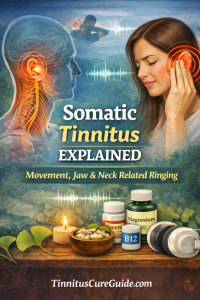
Somatic Tinnitus Explained: Why Movement, Muscles, And Jaw Tension Can Trigger Ringing

🌟 When Tinnitus Changes With Movement
If you live with tinnitus, you already know how unpredictable it can be. One moment it’s a faint ringing. The next, it’s a loud buzzing or pulsing sound that makes it hard to sleep, focus, or relax. Stress builds. Fatigue follows. And the constant noise can feel overwhelming.
But what if your tinnitus changes when you move your head, clench your jaw, or press on your neck?
That’s where Somatic tinnitus explained becomes especially important. This lesser-known form of tinnitus behaves differently from hearing-loss-related tinnitus — and understanding it can open the door to more targeted relief.
In this guide, we’ll clearly explain what somatic tinnitus is, why it happens, how to recognize it, and the most effective medical and natural strategies to calm symptoms and regain control.
🔊 Somatic Tinnitus Explained: What It Really Means
Somatic tinnitus refers to tinnitus that is influenced or triggered by physical movement or muscle tension rather than sound damage alone.
When Somatic tinnitus explained properly, it becomes clear that this type of ringing is closely linked to the musculoskeletal and nervous systems, not just the ears.

Key Characteristics Of Somatic Tinnitus
• Tinnitus changes with jaw movement
• Ringing shifts when turning the neck
• Sound increases with pressure on the head or shoulders
• Symptoms fluctuate with posture or muscle tension
This happens because sensory nerves from the neck, jaw, and face connect directly to the auditory pathways in the brain. When these signals become irritated, the brain may interpret them as sound.
❓ How Somatic Tinnitus Differs From Other Types
Unlike noise-induced tinnitus, somatic tinnitus often comes and goes and may vary in pitch or loudness throughout the day.
Common Differences
• Often linked to neck or jaw tension
• May improve with physical therapy
• Frequently associated with TMJ disorders
• Not always tied to hearing loss
Understanding Somatic tinnitus explained this way helps many people realize their symptoms are modifiable, not permanent.
🔊 Common Causes Of Somatic Tinnitus
Somatic tinnitus usually develops due to muscle strain, joint dysfunction, or nerve irritation in areas close to the auditory system.
Most Common Causes
• Temporomandibular joint (TMJ) dysfunction
• Neck or cervical spine issues
• Poor posture, especially forward head posture
• Teeth grinding or jaw clenching
• Whiplash or head injuries
In the U.S., TMJ disorders affect over 10 million adults, and tinnitus is a frequent complaint among those patients.
💆♂️ Symptoms That Suggest Somatic Tinnitus
Recognizing the signs early can make treatment more effective.
Key Symptoms
• Ringing that changes when opening the mouth
• Buzzing that worsens with neck movement
• Clicking or jaw pain with tinnitus
• Tinnitus louder after long desk work
If your tinnitus responds to physical movement, it strongly supports Somatic tinnitus explained as the underlying cause.
👂 Why Muscles And Nerves Affect Hearing
The brain integrates sound signals with sensory input from the body. When muscles around the neck or jaw are tense or inflamed, they can misfire sensory signals into the auditory processing center.

This cross-communication explains why muscle tension can create or amplify tinnitus even without ear damage.
🔊 Medical Treatment Options For Somatic Tinnitus
There is no single cure, but treatment focuses on correcting the physical trigger.
Common Medical Approaches
• Physical therapy for neck and posture
• TMJ treatment or dental splints
• Muscle relaxants in select cases
• Trigger point therapy
Many ENT specialists in the U.S. now collaborate with physical therapists and dentists when somatic tinnitus is suspected.
🌿 Natural Remedies And Home Strategies That Help
Combining medical care with home strategies often produces the best results.
At-Home Relief Options
• Gentle neck stretches
• Jaw relaxation exercises
• Warm compresses on tense muscles
• Posture correction
Consistency matters. Small daily improvements add up over time.
🎧 Sound Therapy For Somatic Tinnitus Relief
Sound therapy doesn’t cure tinnitus, but it reduces how strongly the brain reacts to it.
Helpful Sound Options
• White noise machines
• Nature sounds such as rain or ocean waves
• Tinnitus relief apps commonly used in the U.S.
Sound therapy is especially helpful at night, when somatic tinnitus tends to feel louder.
💊 Supplements That May Support Nerve And Muscle Health
Some supplements are commonly used to support tinnitus management.
Commonly Used Supplements
• Magnesium for muscle relaxation
• Vitamin B12 for nerve health
• Ginkgo biloba for circulation
Always speak with a healthcare provider before starting supplements, especially if you take medications.
🧘♀️ Stress Reduction And Nervous System Calming
Stress tightens muscles — especially the jaw and neck — which can worsen somatic tinnitus.
Effective Relaxation Techniques
• Diaphragmatic breathing
• Progressive muscle relaxation
• Guided meditation
• Gentle yoga
Reducing stress often reduces tinnitus volume, even without other changes.
🧑 Lifestyle Changes That Support Long-Term Relief
Daily habits play a powerful role in symptom control.
Helpful Lifestyle Adjustments
• Ergonomic workstation setup
• Frequent posture breaks
• Limiting caffeine and alcohol
• Prioritizing quality sleep
These strategies support both ear health and nervous system balance.
⚕️ When To See A Doctor For Somatic Tinnitus
You should consult an ENT or audiologist if:
• Tinnitus suddenly worsens
• Jaw pain or neck pain persists
• Hearing changes occur
• Tinnitus affects sleep or mental health
Early evaluation helps rule out other conditions and confirms whether the Somatic tinnitus explained fits your symptoms.
❓ FAQs About Somatic Tinnitus Explained
What Is Somatic Tinnitus In Simple Terms?
It is tinnitus influenced by movement, muscle tension, or posture rather than hearing damage alone.
Can Somatic Tinnitus Go Away Completely?
In many cases, symptoms improve significantly with physical therapy and lifestyle changes.
Is Somatic Tinnitus Dangerous?
No. It is usually related to muscle or nerve irritation rather than a serious disease.
Does Jaw Clenching Cause Somatic Tinnitus?
Yes. Jaw tension and TMJ dysfunction are common triggers.
Can Posture Really Affect Tinnitus?
Yes. Poor posture strains neck nerves connected to auditory pathways.
Are Hearing Aids Helpful For Somatic Tinnitus?
They can help if hearing loss is also present, but physical treatment is often more important.
What Is The Best Natural Treatment Approach?
A combination of posture correction, stress reduction, sound therapy, and targeted exercises.
🏁 Conclusion: Somatic Tinnitus Explained Means Hope And Control
Understanding Somatic tinnitus explained empowers you to take action. When tinnitus responds to movement or muscle tension, it often indicates that your symptoms are modifiable rather than permanent.
With patience, consistency, and the right support, many people experience meaningful relief. Focus on progress, not perfection — and remember that your nervous system can learn calm down again.
⚠️ Medical Disclaimer
This content is for informational purposes only and does not replace professional medical advice. Always consult a qualified healthcare provider for diagnosis and treatment of tinnitus.
 Explore more:
- Exercise and Tinnitus: Can Movement Help Reduce Ringing?
- Tinnitus Panic Attacks
- Ménière’s Disease And Tinnitus