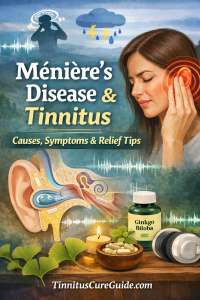
Ménière’s Disease And Tinnitus: Understanding The Ringing, Pressure, And How To Find Relief
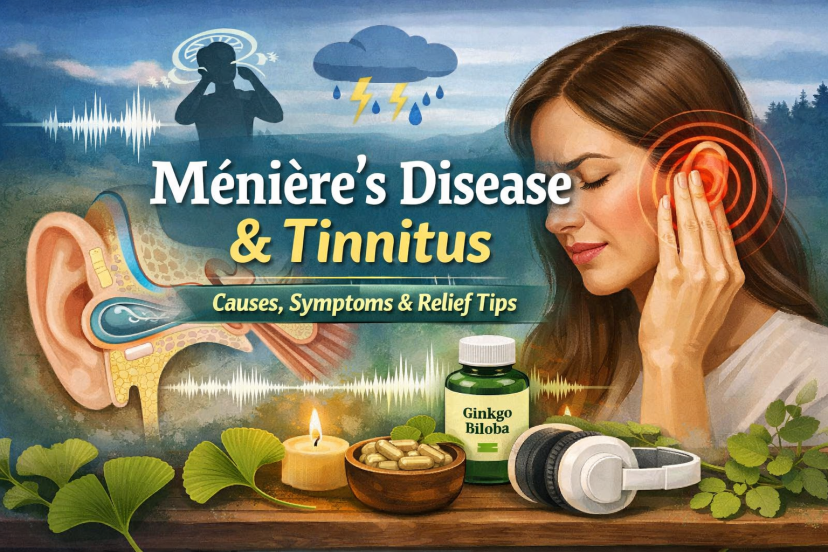
Living With Constant Noise Can Be Exhausting 🌿
If you live with tinnitus, you already know how disruptive it can be. The ringing, buzzing, humming, or whooshing sounds can feel relentless — especially at night when the world goes quiet. Sleep becomes harder. Stress builds. Concentration slips.
For many people, these symptoms are even more intense when linked to Ménière’s disease and tinnitus together. Episodes can come with sudden dizziness, ear fullness, and hearing changes that feel frightening and unpredictable.
The good news? While there is no instant cure, Ménière’s disease and tinnitus can be managed. With the right knowledge, lifestyle strategies, and medical support, many people regain a sense of control and improve their quality of life.
This guide will walk you through what’s really happening inside the ear, why tinnitus is so common with Ménière’s disease, and the most effective ways — medical and natural — to calm symptoms over time.
🔊 What Is Ménière’s Disease And How Is It Linked To Tinnitus?
Ménière’s disease is a chronic inner ear disorder that affects balance and hearing. It most commonly develops in adults between ages 40 and 60, though it can occur at any age.
A defining feature of Ménière’s disease and tinnitus is that symptoms often affect only one ear, especially in early stages.

Key Features Of Ménière’s Disease
• Fluctuating hearing loss
• Persistent or intermittent tinnitus
• Vertigo (spinning dizziness)
• A feeling of fullness or pressure in the ear
Tinnitus occurs because the inner ear structures responsible for hearing become irritated or damaged. As the brain receives inconsistent or reduced sound signals, it may compensate by generating phantom noise — what you perceive as ringing or buzzing.
🔍 What Causes Ménière’s Disease And Tinnitus?
Doctors still don’t know one single cause, but research suggests fluid imbalance in the inner ear plays a central role.
Possible Causes Include
• Excess inner ear fluid (endolymph buildup)
• Abnormal fluid drainage
• viral infections
• Autoimmune reactions
• Head or ear trauma
• Genetic predisposition
When fluid pressure rises, it interferes with both hearing and balance signals. This pressure is one reason Ménière’s disease and tinnitus often worsen during flare-ups.
In the U.S., experts estimate over 600,000 people currently live with Ménière’s disease, and tinnitus is one of the most persistent complaints among them.
🔗 Common Symptoms Of Ménière’s Disease And Tinnitus
Symptoms may appear suddenly and vary in severity from person to person.
Hearing-Related Symptoms
• Ringing, buzzing, roaring, or hissing sounds
• Muffled or distorted hearing
• Sensitivity to loud noises
Balance And Physical Symptoms
• Spinning vertigo lasting 20 minutes to several hours
• Nausea or vomiting during attacks
• Pressure or fullness in one ear
Between attacks, tinnitus may fade — or remain constant at a lower level. Over time, repeated episodes can lead to permanent hearing loss, making tinnitus more noticeable.
🧘♀️ How Ménière’s Disease Makes Tinnitus Feel Worse
Tinnitus linked to Ménière’s disease often feels different from noise-induced tinnitus.
Many people describe it as:
• Low-pitched roaring
• Ocean-like waves
• Pulsing or fluctuating tones

Stress, fatigue, salt intake, and dehydration can intensify symptoms. This is why managing Ménière’s disease and tinnitus requires both medical treatment and daily lifestyle care.
💆♂️ Medical Treatments For Ménière’s Disease And Tinnitus
There is no single cure, but several medical treatments can reduce symptom severity and frequency.
Common Medical Approaches
• Diuretics to reduce inner ear fluid
• Anti-nausea medications
• Vestibular suppressants for vertigo
• Corticosteroid injections in severe cases
While these treatments focus primarily on vertigo, they often indirectly reduce tinnitus by stabilizing inner ear function.
An ENT or audiologist may also recommend hearing aids, which help mask tinnitus by amplifying external sound and reducing the brain’s focus on ringing.
🌿 Natural And Home Remedies For Ménière’s Disease And Tinnitus
Many people find the best relief comes from combining medical care with natural strategies.
Dietary Changes That Help
• Limit sodium to reduce fluid retention
• Avoid caffeine and alcohol
• Stay well hydrated throughout the day
Sound Therapy Options
• White noise machines
• Nature sound apps like rain or ocean waves
• Tinnitus-specific apps are used widely in the U.S.
Sound therapy doesn’t eliminate tinnitus, but it reduces contrast, making ringing less intrusive — especially at night.
💊 Supplements That May Support Ear Health
Some supplements show promise for people managing Ménière’s disease and tinnitus, though results vary.
Commonly Used Supplements
• Ginkgo biloba for circulation
• Magnesium for nerve relaxation
• Vitamin B12 for nerve health
Always consult a healthcare provider before starting supplements, especially if you take diuretics or blood pressure medications.
🧘♀️ Stress Reduction And Relaxation Techniques
Stress is a major tinnitus trigger. Managing it consistently can noticeably reduce symptom intensity.
Effective Relaxation Techniques
• Deep breathing exercises
• Gentle yoga or stretching
• Progressive muscle relaxation
• Guided meditation
Even 10–15 minutes daily can calm the nervous system and reduce how loudly tinnitus is perceived.
✅ Lifestyle Strategies That Support Long-Term Relief
Consistency matters more than perfection.
Helpful Daily Habits
• Maintain regular sleep schedules
• Eat balanced meals
• Avoid sudden head movements during flare-ups
• Protect ears from loud noise
Over time, these habits help stabilize inner ear pressure and reduce tinnitus flare-ups associated with Ménière’s disease.
🚨 When To See A Doctor For Ménière’s Disease And Tinnitus
You should consult an ENT or audiologist if:
• Tinnitus becomes sudden or severe
• Vertigo episodes worsen or last longer
• Hearing loss progresses
• Tinnitus affects sleep or mental health
Early evaluation helps rule out other conditions and allows treatment before symptoms become harder to manage.
❓ FAQs About Ménière’s Disease And Tinnitus
Is tinnitus always present with Ménière’s disease?
No. Tinnitus often comes and goes, especially early on, but it commonly becomes more persistent over time.
Can Ménière’s disease tinnitus go away?
Tinnitus may lessen between attacks, but many people experience long-term symptoms that require management rather than cure.
Does salt really affect tinnitus in Ménière’s disease?
Yes. High sodium intake can increase inner ear fluid pressure, worsening tinnitus and vertigo.
Are hearing aids helpful for Ménière’s disease tinnitus?
Yes. Hearing aids often reduce tinnitus perception by restoring missing sound input.
Can stress cause Ménière’s disease flare-ups?
Stress doesn’t cause the disease, but it frequently triggers tinnitus and vertigo episodes.
Is Ménière’s disease considered a disability in the U.S.?
In severe cases, it may qualify for disability benefits if symptoms significantly impair daily functioning.
What is the best natural approach for managing Ménière’s disease and tinnitus?
A combination of a low-sodium diet, stress reduction, sound therapy, and medical guidance works best for most people.
📌 Conclusion: Managing Ménière’s Disease And Tinnitus Is A Journey
Living with Ménière’s disease and tinnitus can feel overwhelming, but you are not powerless. With education, consistency, and self-care, many people significantly reduce how much tinnitus controls their life.
Progress often comes gradually, not overnight. Small daily choices — managing stress, protecting your ears, and supporting overall health — add up over time.
You deserve relief, rest, and peace of mind. With patience and the right support, tinnitus can become a background sound instead of the center of your life.
⚠️ Medical Disclaimer
This content is for informational purposes only and does not replace professional medical advice. Always consult a qualified healthcare provider for diagnosis and treatment of tinnitus or Ménière’s disease.
 Explore more:
- How To Stop Hormonal Tinnitus?
- Is Tinnitus Connected to Migraines?
- Is Tinnitus Psychological Or Physical? The Real Answer