Hearing Protection & Lifestyle Habits To Prevent Tinnitus: Everyday Steps For Healthy Ears
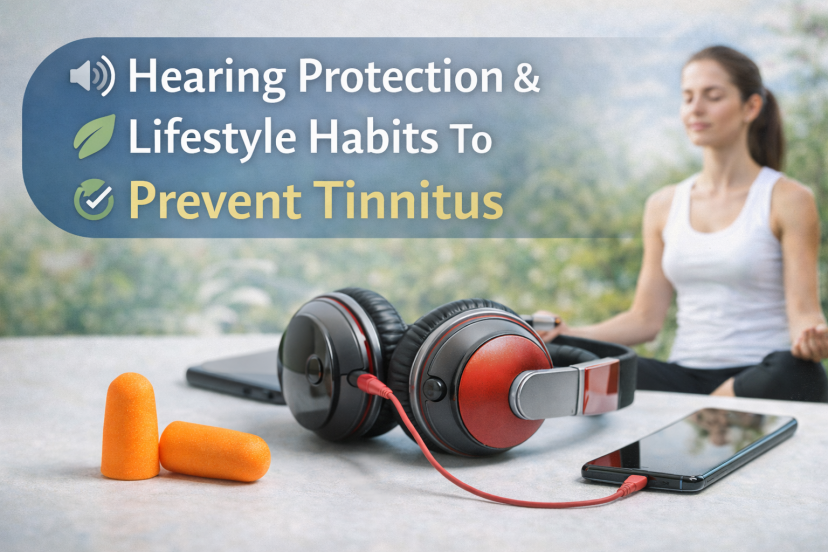
🧑 Small Habits, Big Impact On Tinnitus
If you live with tinnitus, you know how disruptive it can be. The ringing, buzzing, humming, or whooshing sounds can make it hard to sleep, focus, or relax. Even people who don’t currently have tinnitus often worry about developing it later in life.
The good news? Many cases of tinnitus are influenced by everyday habits.
By adopting smart hearing protection strategies and healthy routines, you can reduce your risk and support long-term ear health. Understanding prevent tinnitus lifestyle habits helps you take control before symptoms worsen.
This guide explains how daily choices affect your ears, how to protect hearing naturally, and how to build habits that help you avoid ear ringing over time.
🔊 Why Lifestyle Habits Matter For Tinnitus Prevention
Tinnitus rarely appears without a reason. It often develops slowly due to repeated stress on the auditory system.
Common lifestyle-related triggers include:

-
Excessive noise exposure
-
Unsafe headphone use
-
Chronic stress and poor sleep
-
Ear hygiene mistakes
-
Poor circulation and inflammation
These factors don’t just affect hearing — they influence how the brain processes sound. That’s why building consistent habits is one of the most powerful ways to protect ears tinnitus experts recommend.
🔊 How Hearing Damage Leads To Tinnitus
The inner ear contains delicate hair cells that transmit sound signals to the brain. When these cells are damaged, the brain may compensate by amplifying sound signals, creating phantom noises.
Damage can occur from:
-
Loud sounds
-
Repeated moderate noise
-
Sudden acoustic trauma
-
Long-term lifestyle habits
This is why prevention matters long before symptoms appear.
✅ Safe Listening Habits To Prevent Tinnitus
🔊 Control Volume Levels
One of the most important safe listening habits is managing volume.
Practical tips include:
-
Keep headphone volume below 60%
-
Follow the 60/60 rule (60% volume for 60 minutes)
-
Avoid maximum volume settings
-
Take listening breaks
In the U.S., many teens and adults exceed safe listening levels daily, increasing tinnitus risk.
🔊 Use Noise-Limiting Devices
Modern technology can help protect hearing.
Helpful tools include:
-
Noise-limiting headphones
-
Hearing protection apps
-
Volume monitoring features on smartphones
These tools support long-term hearing health without sacrificing enjoyment.
🌿 Hearing Protection In Daily Life
🔊 Use Earplugs In Loud Environments
Earplugs are one of the simplest ways to protect ears tinnitus prevention experts recommend.
Situations where earplugs help:

-
Concerts and festivals
-
Sporting events
-
Construction sites
-
Air travel
-
Motorcycling
Reusable silicone earplugs or custom-molded options provide comfort and effective noise reduction.
🔊 Protect Hearing At Work
Many U.S. workplaces expose employees to hazardous noise levels.
High-risk occupations include:
-
Construction
-
Manufacturing
-
Military service
-
Music and entertainment
-
Aviation
Employers often provide hearing protection, but consistent use is essential.
🌿 Ear Hygiene Habits To Avoid Ear Ringing
🔊 Avoid Overcleaning The Ears
Improper ear cleaning can damage the ear canal or push wax deeper.
Healthy ear hygiene includes:
-
Avoid cotton swabs inside the ear canal
-
Use gentle external cleaning only
-
Seek professional wax removal if needed
Earwax protects the ear and supports sound transmission.
🔊 Treat Ear Infections Promptly
Untreated infections can contribute to tinnitus.
Warning signs include:
-
Ear pain or pressure
-
Fluid drainage
-
Temporary hearing loss
Early treatment reduces long-term risk.

🌿 Lifestyle Choices That Support Ear Health
🧘♀️ Manage Stress And Nervous System Health
Stress amplifies tinnitus perception.
Effective stress-reduction habits include:
-
Daily breathing exercises
-
Meditation or mindfulness
-
Gentle physical activity
-
Balanced work-rest routines
Even short relaxation sessions can help avoid ear ringing.
💆♂️ Prioritize Quality Sleep
Poor sleep increases tinnitus sensitivity.
Sleep-supporting habits:
-
Consistent bedtime schedule
-
Dark, quiet bedroom environment
-
White noise or sound therapy
-
Reduced screen time before bed
🌿 Nutrition And Supplements For Ear Health
Certain nutrients support auditory function.
Commonly used supplements include:
-
Magnesium – supports nerve signaling
-
Vitamin B12 – deficiency linked to tinnitus
-
Ginkgo biloba – supports circulation
Always consult a healthcare provider before supplementation.
🔊 Sound Therapy As A Preventive Strategy
Sound therapy helps train the brain to tolerate background noise.
Popular U.S. options:
-
White noise machines
-
Nature sound apps
-
Hearing aids with masking features
This reduces contrast between silence and internal sounds.
🩺 When To See A Doctor About Tinnitus Prevention
It’s important to know when a professional evaluation is necessary.
Consult an ENT or audiologist if:
-
You notice persistent ringing or buzzing
-
Hearing loss develops suddenly
-
Ear pain or dizziness occurs
-
Tinnitus worsens despite lifestyle changes
-
Symptoms appear in only one ear
Early evaluation helps identify underlying causes and prevent progression.
❓ FAQs About Preventing Tinnitus Lifestyle Habits
1. What are the best preventive tinnitus lifestyle habits?
Volume control, ear protection, stress management, and healthy sleep habits are among the most effective strategies.
2. Can lifestyle changes really prevent tinnitus?
Yes. While not all cases are preventable, many risk factors are lifestyle-related and manageable.
3. How loud is too loud for headphones?
Sounds above 85 decibels can damage hearing over time. Keeping volume below 60% is a safe guideline.
4. Are earplugs necessary for concerts?
Yes. Even short exposure to loud music can damage hearing without protection.
5. Can stress alone cause tinnitus?
Stress may not directly cause tinnitus, but it can significantly worsen symptoms and perception.
6. Do supplements help prevent tinnitus?
They may support nerve and circulatory health, but should be used as part of a broader lifestyle approach.
7. How often should I get a hearing test?
Adults should consider hearing tests every 2–3 years, or sooner if symptoms appear.
💆♂️ Conclusion: Protecting Your Hearing Starts With Daily Choices
Tinnitus doesn’t usually happen overnight — it often develops gradually due to repeated stress on the ears and nervous system. By adopting consistent prevent tinnitus lifestyle habits, you can protect your hearing, reduce risk, and maintain long-term ear health.
Small actions like lowering volume, managing stress, and using ear protection can make a powerful difference. With patience and proactive care, healthy hearing is an achievable goal — not just a hope.
⚠️ Medical Disclaimer
This article is for informational purposes only and does not replace professional medical advice. Always consult a qualified healthcare provider regarding tinnitus, hearing changes, or treatment decisions.
 Explore more:
- Neurological Tinnitus: When the Brain Causes the Ringing
- Can an ENT Doctor Help With Tinnitus?
- Zinc and Tinnitus: Is There a Real Connection?