CBT For Tinnitus: How Cognitive-Behavioral Therapy Helps You Take Back Control Of Ear Ringing
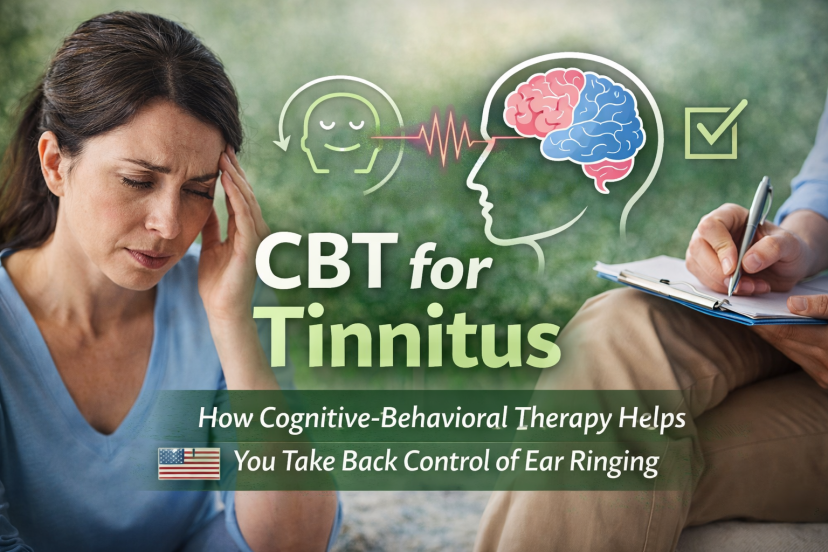
🔊 Living With Tinnitus: Why The Mental Side Matters
If you live with tinnitus, you know how exhausting it can feel. The ringing, buzzing, or whooshing sound can follow you everywhere — during work, conversations, and especially at night when everything is quiet. Over time, this can lead to sleep problems, anxiety, frustration, and even depression.
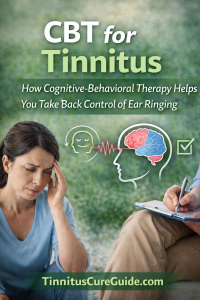
Many people are surprised to learn that CBT for tinnitus is one of the most researched and recommended non-medication approaches for managing tinnitus distress. While CBT does not eliminate the sound itself, it can change how your brain reacts to it — often making tinnitus feel less intense and less intrusive.
This guide explains how counseling tinnitus approaches work, how cognitive therapy ear ringing techniques are used, and how mental management tinnitus strategies can improve quality of life.
🌿 What Is CBT For Tinnitus And How Does It Work?
Cognitive-Behavioral Therapy (CBT) is a structured form of therapy that helps people change negative thought patterns and emotional reactions.
How CBT For Tinnitus Helps
-
Reduces emotional distress linked to tinnitus
-
Helps retrain attention away from ear ringing
-
Improves sleep quality
-
Lowers anxiety and stress levels
-
Builds coping confidence
In CBT for tinnitus, the goal is not to “remove” tinnitus — but to reduce how much it bothers you. Over time, many patients report that tinnitus fades into the background.
🧠 Why The Brain Plays A Big Role In Tinnitus Perception
The brain constantly filters background sounds. With tinnitus, this filter system becomes overactive.
The Tinnitus Distress Cycle
-
You notice the sound
-
The brain labels it as a threat
-
Anxiety increases
-
Sound feels louder
-
The brain focuses on it more
CBT for tinnitus helps break this cycle by changing how the brain interprets the sound.
🧘♀️ Core CBT Techniques Used For Tinnitus Management
Cognitive Restructuring
Helps change negative thoughts like:
-
“This will ruin my life”
-
“I’ll never sleep again”
-
“Something is seriously wrong”
Into balanced thoughts like:
-
“This is uncomfortable but manageable”
-
“Many people live well with tinnitus”
Exposure And Habituation Training
Gradual exposure helps the brain treat tinnitus as a neutral sound.
This mental management tinnitus approach helps reduce the emotional alarm response.
Attention Control Training
Teaches your brain to shift focus away from tinnitus.
Common tools include:
-
Guided audio exercises
-
Mindfulness apps
-
Sound therapy
🔊 Combining CBT For Tinnitus With Sound Therapy
Many providers combine CBT for tinnitus with sound therapy tools.
Common Sound Therapy Options
-
White noise machines
-
Hearing aids with masking
-
Smartphone sound apps
-
Nature sound generators
U.S. patients often use sound therapy apps or hearing support devices alongside counseling tinnitus programs.
💊 Supporting CBT With Nutrition And Supplements
While therapy addresses the mental response, nutrition can support nerve and brain function.
Supplements Often Used With CBT Programs
-
Ginkgo biloba – Supports circulation
-
Magnesium – Supports nerve relaxation
-
Vitamin B12 – Supports nerve health
These support nutrients for tinnitus research are often studied for neurological support.
🌿 Lifestyle Strategies That Improve CBT Results
Helpful Daily Habits
-
Consistent sleep schedule
-
Regular exercise
-
Reduced caffeine late in the day
-
Stress management routines
-
Outdoor time and sunlight
Combining lifestyle habits with CBT for tinnitus often produces stronger long-term results.
🏡 Home Techniques Inspired By CBT For Tinnitus
Simple At-Home CBT Style Practices
-
Journaling tinnitus triggers
-
Practicing relaxation breathing
-
Using sound enrichment at night
-
Tracking stress patterns
-
Practicing an acceptance mindset
These cognitive therapy ear-ringing strategies help reinforce therapy progress.
🧘♀️ Breathing Techniques For Tinnitus
Breathing techniques for tinnitus help calm the nervous system, which can reduce how loud or stressful ear ringing feels. Slow, controlled breathing lowers stress hormones and shifts the body into a relaxed state, making tinnitus easier to ignore.
A simple method is box breathing: inhale for 4 seconds, hold for 4 seconds, exhale for 4 seconds, then pause for 4 seconds. Another helpful technique is diaphragmatic breathing, where you breathe deeply into your belly instead of your chest.
Practicing breathing exercises for 5–10 minutes daily, especially before sleep or during tinnitus spikes, may help improve focus, relaxation, and overall coping ability.
📊 U.S. Research And Medical Support For CBT For Tinnitus
CBT is recommended by many hearing and audiology organizations in the United States.
Studies show CBT can help:
-
Reduce tinnitus distress scores
-
Improve sleep
-
Reduce anxiety symptoms
-
Improve overall quality of life
Because of this evidence, CBT for tinnitus is often recommended before medication therapy.
🔊 Prevention Tips Using Mental Management Tinnitus Strategies
Long-Term Brain Health Tips
-
Protect hearing from loud noise
-
Manage chronic stress
-
Maintain cardiovascular health
-
Support brain health through nutrition
-
Seek early counseling for tinnitus support if symptoms worsen
🚨 When To See A Doctor Or Audiologist
Seek professional care if tinnitus:
-
Starts suddenly
-
Occurs in one ear only
-
Comes with dizziness or balance loss
-
Includes hearing loss
-
Pulses with heartbeat
-
Follows a head injury
ENT specialists can check for medical causes. Audiologists can help with sound therapy and counseling for tinnitus approaches.
❓ FAQs About CBT For Tinnitus
1. Does CBT cure tinnitus?
No. CBT does not cure tinnitus but helps reduce distress and improve coping ability.
2. How long does CBT for tinnitus take to work?
Many people notice improvement within 6–12 weeks, depending on consistency.
3. Can I do CBT for tinnitus at home?
Yes. Some apps and guided programs offer CBT-based tinnitus exercises.
4. Is CBT better than medication for tinnitus?
For many people, CBT is recommended first because it has fewer side effects.
5. Does CBT help tinnitus anxiety?
Yes. CBT is very effective at reducing anxiety linked to tinnitus perception.
6. Who provides CBT for tinnitus?
Licensed therapists, psychologists, or audiologists trained in tinnitus counseling.
7. Can CBT help me sleep better with tinnitus?
Yes. CBT often includes sleep strategies that help reduce nighttime tinnitus awareness.
🌿 Final Thoughts: You Can Retrain Your Brain’s Response To Tinnitus
Tinnitus can feel overwhelming — but you are not powerless. Many people find lasting relief through consistent mental management of tinnitus strategies, therapy support, and healthy lifestyle habits.
CBT for tinnitus works best when practiced consistently. Over time, your brain can learn to treat tinnitus as background noise instead of a threat.
Progress may be gradual, but meaningful relief is possible.
⚠️ Medical Disclaimer
This article is for educational purposes only and is not medical advice. Always consult a qualified healthcare professional before starting therapy, supplements, or treatment plans.
 Explore more:
- Sound Therapy Tinnitus Relief
- Noise Induced Tinnitus Prevention
- What Causes Tinnitus Ringing In The Ears?