Alcohol And Tinnitus
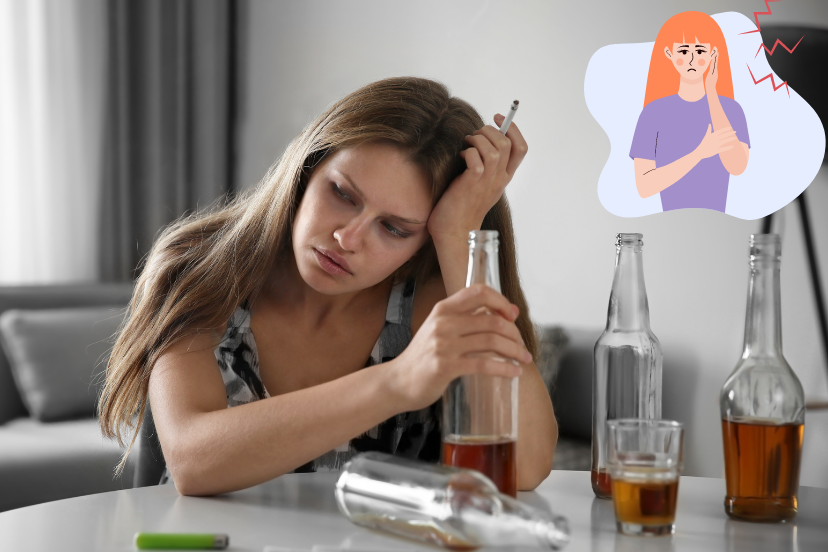
Explore the intricate link between alcohol and tinnitus. Discover how drinking impacts your ears and get tips to manage symptoms. As someone who is passionate about promoting hearing health and overall well-being, I’ve encountered numerous questions about the relationship between alcohol and tinnitus. Tinnitus, often described as a persistent ringing or buzzing sound in the ears, can be an unsettling condition. Through careful research and personal experiences, let’s delve into the complex interplay between alcohol consumption and tinnitus, offering insights and practical advice for maintaining healthy hearing.
Understanding Tinnitus
Tinnitus, a prevalent auditory disorder, can vary in intensity and impact from person to person. It’s crucial to recognize that tinnitus is not a disease but a symptom of underlying factors such as exposure to loud noises, age-related hearing loss, or even medical conditions. The constant noise can significantly affect one’s quality of life, leading to stress, sleep disturbances, and difficulty concentrating.
Can Drinking Alcohol Cause Tinnitus
Alcohol can influence tinnitus. Consuming alcohol causes dilation of blood vessels, leading to increased blood flow, especially in the inner ear, which can trigger or worsen tinnitus for some individuals. Heavy or frequent drinking can also harm the auditory system and exacerbate hearing problems. While some people report a temporary spike in tinnitus after drinking, others might not experience any changes. It’s worth noting that the relationship between alcohol and tinnitus varies among individuals. If someone suspects alcohol as a triggering factor, it’s advisable to reduce intake or avoid it and observe any changes in tinnitus intensity. If tinnitus persists or is bothersome, seeking medical advice is essential to explore underlying causes and potential treatments. Remember, moderation is key in alcohol consumption.
Will Alcohol-Induced Tinnitus Go Away
Alcohol-induced tinnitus often subsides after the alcohol is metabolized and eliminated from the body. For many, this tinnitus is temporary, appearing shortly after consumption and dissipating within hours to days. However, repeated heavy drinking might cause longer-lasting or permanent tinnitus due to damage to the auditory system. If tinnitus persists or is bothersome, seeking medical advice is essential to explore potential causes and appropriate treatments. Moderation in drinking is always recommended.
The Impact Of Alcohol On Tinnitus
How Alcohol Affects The Ear
Alcohol consumption can influence tinnitus due to its impact on the auditory system. The inner ear houses delicate hair cells responsible for transmitting sound signals to the brain. Excessive alcohol intake can damage these cells, exacerbating tinnitus symptoms. Moreover, alcohol’s diuretic properties may lead to dehydration, affecting the fluid balance in the inner ear and potentially triggering tinnitus.
Alcohol’s Impact On Blood Flow
Alcohol has a vasodilatory effect, causing blood vessels to expand. This expansion can affect blood flow, including circulation to the ears. Reduced blood flow to the auditory system can contribute to tinnitus, as the sensitive ear structures may not receive the oxygen and nutrients they require to function optimally.
Neurological Effects And Tinnitus
Alcohol’s impact extends to the central nervous system, altering neurotransmitter levels. Fluctuations in neurotransmitters could potentially influence tinnitus perception. Additionally, alcohol consumption can disrupt sleep patterns, which may exacerbate tinnitus-related sleep disturbances.
Alcohol Withdrawal Tinnitus
Alcohol withdrawal tinnitus refers to the ringing or buzzing in the ears experienced during detoxification after discontinuing heavy or prolonged alcohol consumption. It’s one of several possible withdrawal symptoms, including anxiety, tremors, and mood swings. The tinnitus typically subsides as the body adjusts to the absence of alcohol, but the duration can vary.
Moderation Is Key With Alcohol And Tinnitus
Sensible Alcohol Consumption
While complete abstinence from alcohol may not be necessary for everyone, moderation is crucial. Limiting alcohol intake reduces the risk of exacerbating tinnitus or causing additional hearing issues. Understanding your body’s response to alcohol and setting boundaries can help maintain a healthy balance.
Reducing The Risk Of Exacerbation
Choosing drinks with lower alcohol content and staying hydrated can minimize alcohol’s potential negative effects on tinnitus. Hydration supports overall ear health and may help alleviate tinnitus symptoms.
Stay Hydrated
Staying hydrated is a simple yet effective way to mitigate the impact of alcohol on our ears. Alcohol can contribute to dehydration, which can affect the inner ear’s fluid levels. By ensuring we drink enough water before, during, and after consuming alcohol, we support the stability of our auditory mechanisms.
Healthy Lifestyle Choices
Diet And Hydration
A well-balanced diet rich in antioxidants, vitamins, and minerals supports ear health. Hydration is especially important, as proper fluid balance aids in maintaining the inner ear’s environment.
What Foods Help Heal Tinnitus
There’s no definitive list of foods universally healing tinnitus, as its causes and triggers can vary widely among individuals. However, certain dietary practices may help manage or reduce tinnitus symptoms:
- Magnesium-Rich Foods: Spinach, bananas, almonds, and whole grains may help reduce symptoms.
- Potassium-Rich Foods: Bananas, oranges, and spinach support inner ear health.
- Zinc-Rich Foods: Cashews, lentils, and beef support immune function and inner ear health.
- Avoiding Trigger Foods: For some, caffeine, salt, sugar, and processed foods may exacerbate symptoms.
- Stay Hydrated: Proper hydration supports overall health and may help alleviate tinnitus symptoms.
Consultation with healthcare professionals is vital before making any drastic dietary changes.
Exercise And Stress Management
Regular exercise and stress reduction techniques contribute to overall well-being. High-stress levels can intensify tinnitus perception, making relaxation strategies vital in managing symptoms.
Seeking Professional Help
Consulting An Audiologist
If tinnitus persists or worsens, consulting an audiologist is highly recommended. Audiologists can provide personalized guidance, recommend suitable treatments, and help manage tinnitus-related distress.
Therapeutic Approaches
Audiologists may suggest sound or cognitive behavioral therapy (CBT) to help individuals habituate to tinnitus and minimize its impact on daily life.
Exploring Treatment Options
Treatment options range from sound therapy and cognitive behavioral therapy to hearing aids that mask tinnitus sounds. Consulting a professional ensures you receive the most suitable intervention for your situation.
Addressing Misconceptions
Alcohol Vs. Non-Alcoholic Beverages
It’s important to note that the impact of alcohol on tinnitus is not unique. Some non-alcoholic beverages, like caffeine, can also influence tinnitus symptoms. Being mindful of various triggers is crucial.
The Myth Of Alcohol As A Cure
Contrary to some beliefs, alcohol is not a solution for tinnitus. Temporary relief is experienced, while intensified symptoms often follow drinking. Seeking long-term solutions rooted in healthy habits is a wiser approach.
How To Stop Ringing In Ears After Drinking
If you experience ringing in the ears (tinnitus) after drinking, consider the following steps to help alleviate the symptom:
- Hydrate: Drink plenty of water to help flush out the alcohol and combat dehydration.
- Avoid Loud Noises: Protect your ears from further strain by avoiding loud environments.
- Rest: A good night’s sleep may help your body recover faster.
- Limit Alcohol: Reduce or abstain from alcohol if it consistently triggers tinnitus.
- White Noise or Tinnitus Apps: These can help mask the ringing.
- Manage Stress: Stress can exacerbate tinnitus. Techniques like deep breathing or meditation can be helpful.
- Consult a Physician: If tinnitus persists or is recurrent after drinking, seek medical advice to rule out underlying conditions.
- Protect Your Ears: Wear ear protection if you’re attending noisy events.
Remember, individual experiences with alcohol and tinnitus may vary.
Can You Live A Long Life With Tinnitus
You can live a long life with tinnitus. Tinnitus, characterized by a ringing or buzzing in the ears, is a symptom, not a disease. While it can be annoying and sometimes debilitating, it is not life-threatening. Many individuals experience tinnitus at some point, often due to age-related hearing loss or exposure to loud noises. It’s essential to seek medical advice to identify any underlying causes or associated conditions. Though there’s no definitive cure for all forms of tinnitus, various treatments, therapies, and coping strategies can help manage the symptom. Maintaining a balanced lifestyle, protecting hearing, and managing stress are vital components in handling tinnitus and maintaining overall well-being.
FAQs About Alcohol And Tinnitus
Why do I get tinnitus after alcohol?
Alcohol causes blood vessel dilation, increasing blood flow to the inner ear and triggering or exacerbating ear ringing. Excessive alcohol can harm the auditory system, potentially worsening ear ringing. Individual reactions to alcohol may also vary.
Can occasional alcohol consumption worsen tinnitus?
Occasional moderate alcohol consumption may not significantly worsen ear ringing, but excessive drinking can exacerbate symptoms over time.
Is there a specific type of alcohol that’s better for tinnitus?
The type of alcohol matters less than the overall quantity consumed. Opt for drinks with lower alcohol content and stay well-hydrated.
Can tinnitus caused by alcohol be reversed?
Depending on the extent of damage, reducing alcohol intake and adopting healthy habits can improve ear-ringing symptoms.
Should I stop consuming alcohol completely if I have tinnitus?
Complete abstinence may not be necessary for everyone. Moderation and monitoring your body’s response are key factors.
Alcohol And Tinnitus – Conclusion
In the journey to maintain optimal hearing health and manage tinnitus, understanding the connection between alcohol and this auditory phenomenon is vital. Moderation, healthy lifestyle choices, professional guidance, and accurate information form the foundation for effective tinnitus management. By adopting a holistic approach, individuals can empower themselves to reduce the impact of tinnitus on their lives. Remember, everyone’s experience with tinnitus and alcohol can differ. Consulting a healthcare professional is essential for personalized guidance and support.
Disclaimer
This article is for informational purposes only and does not substitute professional medical advice. Always consult a licensed healthcare provider before beginning new treatments, supplements, or exercise programs for tinnitus or related conditions.
 Explore more: