Stiff Shoulders Causing Ear Ringing: The Overlooked Connection, Relief Options, And Prevention Tips
👂 When Shoulder Tension Triggers Ear Ringing
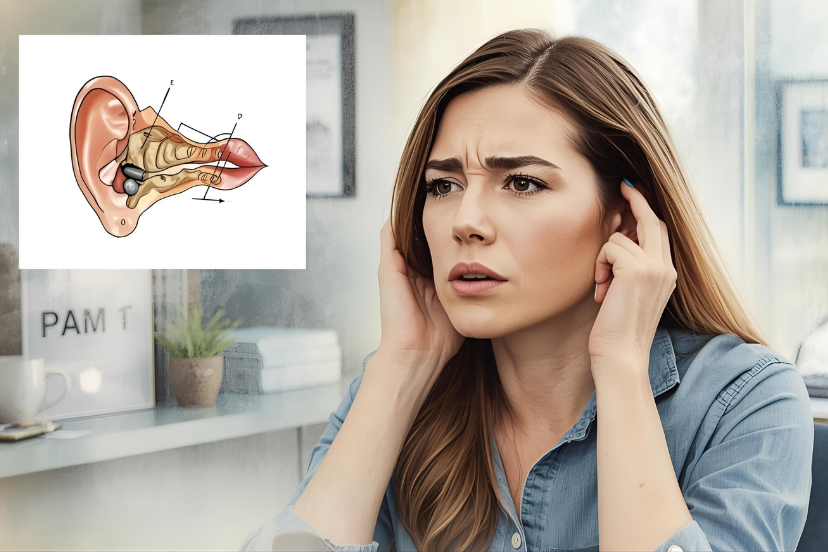
If you notice ringing, buzzing, or whooshing in your ears after long hours at a desk, during stressful days, or when your shoulders feel tight, you’re not imagining it. Many people experience stiff shoulders causing ear ringing, especially in the evening or at night when the body finally slows down.
While tinnitus is commonly linked to hearing loss, loud noise exposure, or ear conditions, growing evidence shows that muscle tension in the shoulders and neck can significantly influence tinnitus symptoms. This form of tinnitus is often mechanical in nature and, importantly, modifiable.
In this guide, you’ll learn how shoulder stiffness affects ear ringing, what symptoms to watch for, and proven strategies to reduce flare-ups naturally and safely.
🧠 Understanding The Link Between Stiff Shoulders And Ear Ringing
The shoulders, neck, jaw, and upper spine form a tightly connected system. When shoulder muscles become stiff or overworked, they can affect nearby nerves and blood vessels that play a role in how the brain processes sound.
This connection explains why some people notice tinnitus intensity change when they move their neck, stretch their shoulders, or adjust their posture. This type of tinnitus is commonly referred to as somatic tinnitus.
🔗 What Happens Inside The Body
When shoulder tension builds up, it may lead to:

-
Reduced blood flow to the neck and inner ear
-
Irritation of cervical nerves connected to the auditory pathways
-
Increased muscle-driven sensory signals reaching the brain
-
Heightened awareness of existing tinnitus sounds
For many people, this doesn’t create tinnitus from scratch—but it amplifies ringing that already exists.
❓ Can Stiff Shoulders Really Cause Ear Ringing?
Yes. Stiff shoulders can contribute directly to ear ringing, particularly in people sensitive to physical tension, stress, or posture changes.
This is why symptoms often worsen:
-
After long computer or phone use
-
During periods of emotional stress
-
After sleeping in awkward positions
-
Following heavy lifting or shoulder strain
In somatic tinnitus, muscle and nerve signals interact with hearing pathways, making tinnitus louder, sharper, or more persistent.
🔍 How Stiff Shoulders Affect Your Ears
🧠 Nerve Irritation
Tight shoulder and neck muscles can irritate cervical nerves that share pathways with auditory processing centers, increasing tinnitus perception.
🩸 Restricted Blood Flow
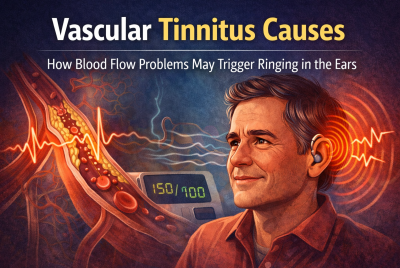
Poor posture and muscle stiffness may limit circulation near the inner ear, contributing to pressure changes or pulsating sounds.
😰 Stress-Driven Muscle Tension
Stress naturally causes shoulder tightening. Elevated stress levels are strongly associated with louder and more intrusive tinnitus.
🚨 Common Signs Of Shoulder-Related Tinnitus
You may be dealing with stiff shoulders causing ear ringing if you notice:
-
Tinnitus that worsens after desk work or screen time
-
Ringing that increases when the shoulders feel tight
-
Ear buzzing that improves after stretching or massage
-
Nighttime tinnitus linked to neck or shoulder discomfort
-
Changes in ringing intensity with posture or head movement
🌿 Natural Relief For Stiff Shoulders Causing Ear Ringing
Addressing both muscle tension and nervous system overload is key. These conservative approaches are often highly effective.
🔥 Heat Therapy
Applying warmth to the shoulders improves circulation and relaxes tight muscles, often reducing tinnitus flare-ups.
🧘 Gentle Stretching
Daily movements such as shoulder rolls, neck tilts, and chest openers relieve tension that feeds into ear ringing.
🪑 Posture Correction
Keeping ears aligned over the shoulders reduces long-term strain. Small ergonomic changes can significantly lower symptom intensity.

💧 Hydration And Anti-Inflammatory Nutrition
Proper hydration and nutrient-dense foods support muscle relaxation and nerve health, helping reduce tinnitus sensitivity.
🌬️ Relaxation Techniques
Breathing exercises, yoga, and mindfulness calm the nervous system and reduce stress-related shoulder tension.
🩺 Medical And Professional Treatment Options
If symptoms persist, professional care may help identify and correct underlying contributors.
🧑⚕️ Physical Therapy
Focused therapy strengthens postural muscles and reduces chronic shoulder tightness linked to tinnitus.
👐 Massage Therapy
Therapeutic massage improves circulation and eases muscle knots that worsen ear ringing.
🦴 Chiropractic Or Manual Therapy
Alignment-focused care may relieve nerve compression contributing to tinnitus symptoms.
🎧 Tinnitus Sound Therapy
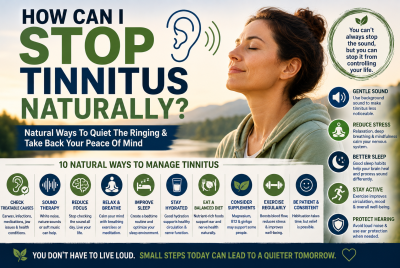
White noise machines, masking apps, or environmental sound can reduce nighttime tinnitus awareness.
🛡️ Prevention Tips To Reduce Shoulder-Related Tinnitus
Preventing stiffness is often easier than treating flare-ups.
-
Maintain neutral posture throughout the day
-
Take short stretch breaks every 30 minutes
-
Optimize desk height and screen position
-
Strengthen upper-back and shoulder muscles
-
Manage stress proactively with relaxation routines
Consistency matters more than intensity.
🌙 Daily Coping Strategies That Actually Help
Small daily habits can dramatically improve quality of life:

-
Use soft background sound at night
-
Apply heat before bed to relax shoulders
-
Track triggers in a tinnitus journal
-
Practice gentle evening stretches
-
Prioritize restorative sleep positions
❓ FAQs About Stiff Shoulders Causing Ear Ringing
1. Can stiff shoulders really cause ear ringing?
Yes. Shoulder stiffness can irritate nerves and restrict circulation, increasing tinnitus intensity. This is known as somatic tinnitus and often improves when muscle tension is reduced.
2. Does posture affect ear ringing?
Poor posture places excess strain on the shoulders and neck, which can worsen tinnitus—especially after long workdays.
3. Can stress make both conditions worse?
Yes. Stress increases muscle tension and nervous system sensitivity, amplifying both shoulder tightness and ear ringing.
4. What home remedies work best?
Heat therapy, gentle stretching, posture correction, hydration, and relaxation techniques are among the most effective natural options.
5. Can exercise help reduce ear ringing?
Targeted stretching and strengthening improve circulation and reduce muscle-driven tinnitus flare-ups.
6. When should I see a doctor?
If tinnitus is persistent, worsening, or accompanied by dizziness or hearing changes, professional evaluation is recommended.
7. Does sleep position matter?
Yes. Poor sleep posture can strain shoulder and neck muscles, worsening nighttime tinnitus. Supportive pillows and neutral alignment help.
✅ Final Thoughts: Reducing Ear Ringing By Addressing Shoulder Tension
Stiff shoulders causing ear ringing is a real and often overlooked trigger. Muscle tightness can influence nerve signals, blood flow, and how the brain interprets sound. The encouraging news is that this form of tinnitus is frequently manageable with lifestyle adjustments and targeted care.

Start with posture, daily movement, and stress reduction. Over time, these small but consistent changes can noticeably reduce both shoulder stiffness and ear ringing.
⚠️ Disclaimer
This content is for educational purposes only and does not replace medical advice. Tinnitus has multiple potential causes. Always consult a qualified healthcare professional for diagnosis and treatment guidance.
 Explore more: