Tinnitus Panic Attacks: Why Ringing In The Ears Can Trigger Anxiety — And How To Break The Cycle
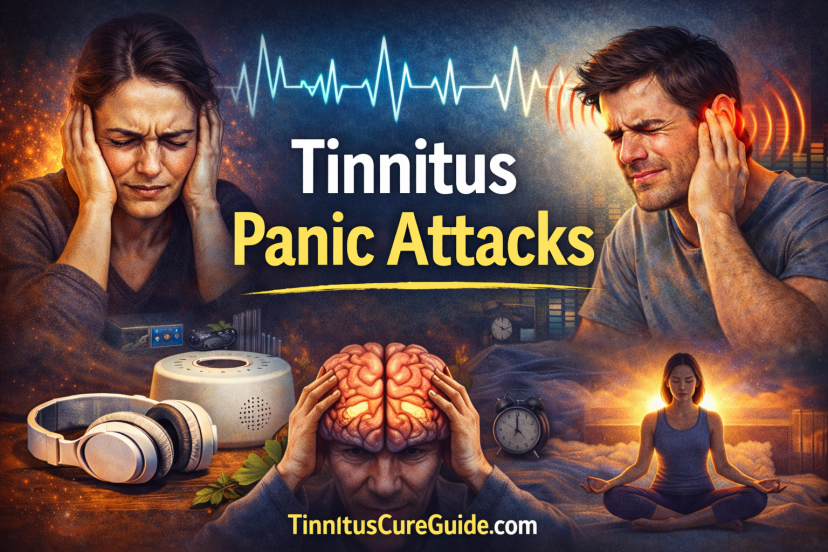
😰 When Ringing In The Ears Turns Into Panic
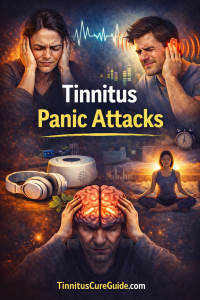
If you live with tinnitus, you already understand how exhausting it can be. The ringing, buzzing, humming, or whooshing sounds don’t just affect your ears—they affect your sleep, focus, mood, and sense of safety. For many people, tinnitus doesn’t stop at discomfort. It can spiral into sudden waves of fear, tight chest sensations, racing thoughts, and a feeling of losing control.
These experiences are often called tinnitus panic attacks.
If this has happened to you, you’re not weak—and you’re not alone. Thousands of tinnitus sufferers experience panic symptoms, especially during quiet moments, at night, or when stress is already high. The good news is that tinnitus panic attacks are manageable, and understanding the connection between sound and anxiety is the first step toward relief.
This guide explains why tinnitus can trigger panic, what symptoms look like, and how to calm both your ears and nervous system naturally.
🔊 What Are Tinnitus Panic Attacks?
Tinnitus panic attacks occur when the perception of ear noise triggers a sudden anxiety or panic response. The sound itself may not be dangerous, but your brain interprets it as a threat.
Common features of tinnitus panic attacks
-
Sudden fear or dread
-
Racing heart or shallow breathing
-
Increased awareness of ringing
-
Feeling trapped or overwhelmed
-
Trouble sleeping or relaxing
The louder or more intrusive the tinnitus feels, the more intense the panic response may become—creating a feedback loop between sound and anxiety.
🧠 Why Tinnitus Triggers Panic Attacks
The brain is wired to protect you. When it detects something unfamiliar or uncontrollable—like persistent ringing—it may activate the fight-or-flight response.
How the tinnitus–panic cycle develops
-
Tinnitus draws attention
-
Attention increases emotional reaction
-
Anxiety heightens nervous system sensitivity
-
Tinnitus feels louder and more intrusive
This loop can happen quickly, especially in people who are already stressed, sleep-deprived, or sensitive to bodily sensations.
🔔 Symptoms Of Tinnitus Panic Attacks
Tinnitus panic attacks can look different from person to person, but many share overlapping symptoms.
Physical symptoms
-
Chest tightness
-
Shortness of breath
-
Dizziness or lightheadedness
-
Tingling or numbness
Emotional symptoms
-
Fear of losing control
-
Worry that tinnitus will never stop
-
Feeling unsafe or trapped
-
Heightened irritability
Recognizing these symptoms as panic-related, not dangerous, can reduce their intensity over time.
📅 The Role Of Stress And Sleep Deprivation
Stress and poor sleep are two of the biggest contributors to tinnitus panic attacks.
Why stress worsens tinnitus panic
-
Raises cortisol levels
-
Increases nervous system arousal
-
Reduces emotional resilience
Sleep deprivation lowers your ability to cope, making both tinnitus and panic feel more intense. Many U.S. tinnitus sufferers report that their worst panic episodes occur late at night, when the world is quiet, and fatigue is high.
🧘♀️ Calming The Nervous System During A Panic Episode
When a tinnitus panic attack hits, the goal isn’t to “stop” the ringing—but to calm your body’s response.
Immediate calming techniques
-
Slow nasal breathing (4 seconds in, 6 seconds out)
-
Grounding by naming 5 things you can see
-
Gentle neck and jaw relaxation
-
Repeating reassuring phrases like “This will pass”
These techniques help signal safety to your brain, reducing panic intensity.
🔊 Sound Therapy For Tinnitus Panic Attacks
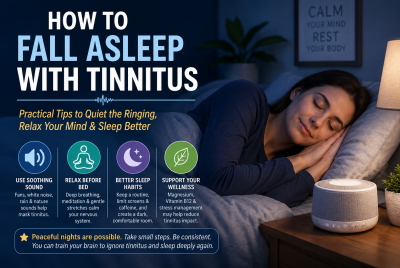
Silence often makes tinnitus feel louder and more threatening. Sound therapy reduces contrast between tinnitus and the environment.
Helpful sound options
-
White noise machines
-
Nature sounds (rain, wind, ocean)
-
Soft instrumental music
-
Fan or air purifier noise
Many people in the U.S. use sound therapy apps or hearing devices with built-in masking to reduce nighttime panic episodes.
💊 Supplements That May Support Calm And Ear Health
While supplements aren’t a cure, some may support nervous system balance when used appropriately.
Common supplements for tinnitus and anxiety
-
Magnesium: supports relaxation and nerve function
-
Vitamin B12: essential for nerve health
-
Ginkgo biloba: may support inner ear circulation
Always consult a healthcare provider before starting supplements, especially if you take medications.
💆♂️ Muscle Tension, Jaw Clenching, And Panic
Panic often comes with physical tension—especially in the jaw, neck, and shoulders.
How tension worsens tinnitus panic attacks
-
Tight muscles increase sensory input
-
Jaw clenching amplifies ear sensations
-
Neck tension affects blood flow
Gentle daily practices
-
Jaw stretches and massage
-
Neck mobility exercises
-
Progressive muscle relaxation
Releasing tension sends calming signals back to the brain.
🧘♀️ Lifestyle Strategies To Reduce Tinnitus Panic Attacks
Consistency matters more than perfection.
Daily habits that help
-
Maintain a regular sleep schedule
-
Limit caffeine and stimulants
-
Eat balanced meals to stabilize blood sugar
-
Practice daily relaxation—even on “good” days
These habits strengthen your nervous system’s ability to stay calm when tinnitus fluctuates.
🧠 Reframing Thoughts Around Tinnitus
Fear often comes from catastrophic thinking.
Common anxious thoughts
-
“This ringing will never stop.”
-
“I can’t live like this.”
-
“Something is seriously wrong.”
Replacing these with realistic statements—such as “I’ve handled this before” or “My nervous system is reacting, not failing”—can reduce panic frequency.
🚨 When To See A Doctor About Tinnitus Panic Attacks
Before assuming panic is the only issue, consult a professional if you experience:
-
Sudden or one-sided tinnitus
-
Tinnitus with hearing loss or vertigo
-
Severe anxiety interfering with daily life
-
Panic attacks that worsen or become frequent
An ENT, audiologist, or mental health professional can help rule out underlying conditions and provide targeted support.
❓ FAQs: Tinnitus Panic Attacks
Can tinnitus directly cause panic attacks?
Yes. Tinnitus can trigger panic by activating the brain’s threat response, especially in sensitive individuals.
Are tinnitus panic attacks dangerous?
They feel frightening but are not physically dangerous. They are a nervous system reaction.
Why do panic attacks happen more at night?
Silence, fatigue, and lack of distraction make tinnitus more noticeable at night.
Can sound therapy stop panic attacks?
Sound therapy doesn’t stop tinnitus, but it often reduces panic by lowering contrast and anxiety.
Do tinnitus panic attacks ever go away?
Many people experience significant improvement with stress management and consistency.
Is medication always required?
Not always. Many people manage tinnitus panic attacks with non-medical strategies.
Can therapy help tinnitus panic attacks?
Yes. Cognitive-behavioral approaches are often effective for reducing panic responses.
❗ Conclusion: You Are Not Broken — Your Nervous System Is Overloaded
Tinnitus panic attacks can feel terrifying, but they are a learned response, not a permanent condition. With understanding, patience, and the right tools, your brain can relearn safety—even in the presence of sound.
Progress happens gradually. Each calming breath, each night of better sleep, and each moment of reassurance strengthen your resilience. You are not alone, and tinnitus does not define your future.
⚠️ Medical Disclaimer
This content is for educational purposes only and is not intended as medical advice. Always consult a qualified healthcare provider before making decisions related to tinnitus, anxiety, supplements, or treatment options.
 Explore more: