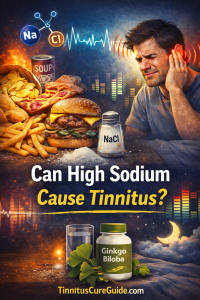
Can High Sodium Cause Tinnitus? How Salt Intake Affects Ringing In The Ears
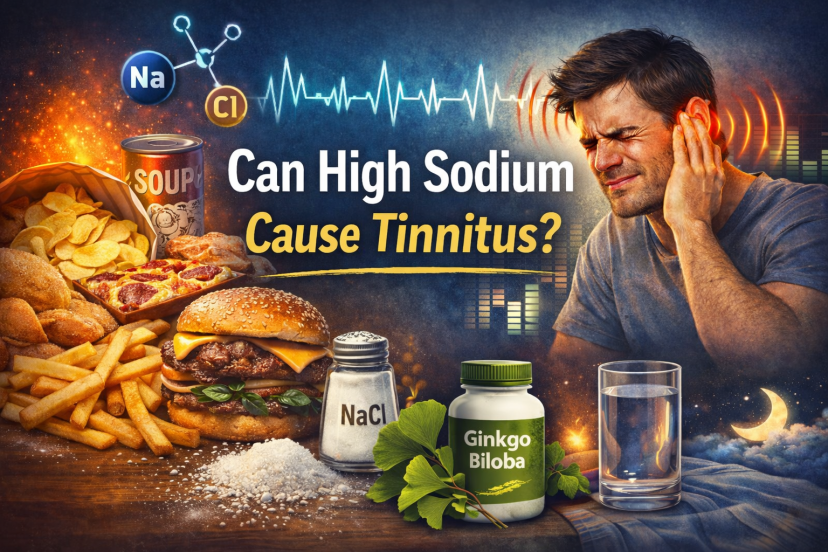
💡 When Everyday Foods Make Tinnitus Worse
Living with tinnitus can feel overwhelming. The constant ringing, buzzing, humming, or whooshing sounds can disrupt sleep, increase stress, and make it hard to focus or relax. Many people notice that their symptoms fluctuate—some days are quieter, others feel unbearable.
If you’ve ever wondered can high sodium cause tinnitus, you’re asking the right question. Diet plays a surprisingly important role in ear health, and for many people in the U.S., sodium intake is far higher than recommended.
This guide explains how salt may affect tinnitus, who is most sensitive, and what practical steps you can take to calm your ears without extreme restrictions.
🔊 What Is Tinnitus And Why Does Diet Matters
Tinnitus is the perception of sound without an external source. It’s not a disease itself but a symptom linked to the auditory system, circulation, and nervous system.
Common tinnitus sounds include
-
Ringing or buzzing
-
Hissing or humming
-
Pulsing or whooshing
-
High-pitched tones
Diet matters because what you eat directly influences:
-
Blood pressure and circulation
-
Inner ear fluid balance
-
Inflammation levels
-
Nervous system sensitivity
For some people, sodium becomes a key trigger.
🧂 Can High Sodium Cause Tinnitus? The Clear Answer
Yes, high sodium can cause or worsen tinnitus in certain individuals, especially those sensitive to changes in inner ear pressure or blood flow.
This does not mean salt causes tinnitus for everyone. But excess sodium may intensify existing tinnitus or trigger flare-ups—particularly in people with inner ear conditions, high blood pressure, or fluid balance issues.
🧠 How Sodium Affects The Inner Ear
The inner ear relies on a delicate balance of fluids to send sound signals to the brain. Sodium directly influences this balance.
High sodium may contribute to tinnitus by
-
Increasing fluid retention in the inner ear
-
Raising blood pressure and reducing circulation
-
Altering nerve signaling in the auditory system
For people with conditions like Ménière’s disease, sodium restriction is often a standard recommendation because of its effect on ear pressure and dizziness.
🩺 High Blood Pressure, Salt, And Ringing Ears
One of the strongest links between sodium and tinnitus is blood pressure.
Why blood pressure matters for hearing
-
The inner ear has tiny, sensitive blood vessels
-
Reduced or turbulent blood flow can trigger ringing
-
Elevated pressure increases pulsatile tinnitus risk
Many Americans consume 3,400+ mg of sodium daily, well above the recommended 2,300 mg limit. Over time, this can worsen both cardiovascular and hearing health.
🔔 Symptoms That Suggest Sodium Is A Tinnitus Trigger
You may be salt-sensitive if you notice:
-
Ringing increases after salty meals
-
Ear fullness or pressure
-
Pulsing sounds synced with the heartbeat
-
Tinnitus is worse at night or after dining out
Keeping a simple food-and-symptom journal for one to two weeks can reveal helpful patterns.
🌿 Reducing Sodium Without Sacrificing Flavor
Lowering sodium doesn’t mean bland food or extreme dieting.
Simple, tinnitus-friendly sodium tips
-
Choose fresh foods over processed items
-
Read nutrition labels carefully
-
Cook more meals at home
-
Use herbs, lemon, garlic, or spices instead of salt
-
Rinse canned foods like beans or vegetables
Gradual changes are easier to maintain and less stressful—important for tinnitus management.
💆♂️ Can Lowering Sodium Improve Tinnitus?
For many people, yes. While results vary, studies and clinical experience show that reducing sodium can lessen tinnitus intensity, especially when combined with other healthy habits.
Benefits some people notice
-
Less ear pressure
-
Reduced pulsatile tinnitus
-
More stable symptoms day to day
-
Improved sleep quality
Consistency matters more than perfection.
🧘♀️ Supporting Ear Health Beyond Sodium Reduction
Salt is just one piece of the puzzle. Combining dietary changes with supportive therapies often brings the best results.
🌿 Supplements commonly used for tinnitus support
-
Magnesium: helps calm nerve excitability
-
Vitamin B12: supports nerve health and myelin
-
Ginkgo biloba: may improve inner ear circulation
Always consult a healthcare provider before starting supplements.
🔊 Sound Therapy To Calm Ringing Ears
Sound therapy reduces contrast between silence and tinnitus, making ringing less noticeable.
Popular sound therapy options in the U.S.
-
White noise machines
-
Nature sound apps (rain, ocean, forest)
-
Low-level background music at night
-
Hearing devices with sound masking features
Using sound therapy consistently can significantly improve quality of life.
💧 Hydration And Electrolyte Balance
High sodium intake often goes hand-in-hand with poor hydration, which can worsen tinnitus.
Hydration tips for tinnitus relief
-
Drink water evenly throughout the day
-
Limit salty snacks with little water
-
Balance sodium with potassium-rich foods
-
Avoid excessive caffeine and alcohol
Proper hydration supports circulation and inner ear stability.
🍽️ Foods That May Help Counteract Sodium Effects
Adding supportive foods can make sodium reduction easier.
Tinnitus-friendly foods to include
-
Leafy greens (magnesium-rich)
-
Bananas and sweet potatoes (potassium)
-
Fatty fish (omega-3s)
-
Berries (anti-inflammatory)
A balanced diet supports both hearing and overall health.
🚨 When To See A Doctor About Tinnitus
Before assuming sodium is the only cause, consult a professional if you experience:
-
Sudden or one-sided tinnitus
-
Ringing with dizziness or vertigo
-
Pulsatile tinnitus
-
Hearing loss or ear pain
-
Tinnitus after injury or infection
An ENT or audiologist can assess hearing health and rule out treatable conditions.
❓ FAQs: High Sodium And Tinnitus
Can high sodium directly cause tinnitus?
High sodium usually worsens existing tinnitus rather than causing it from scratch.
How quickly can salt affect tinnitus?
Some people notice changes within hours or the next day, especially after very salty meals.
Is low-sodium dieting safe for everyone?
Most people benefit from a moderate reduction in sodium, but always follow medical guidance if you have health conditions.
Does sodium cause pulsatile tinnitus?
It can, especially if sodium raises blood pressure or affects circulation.
Are processed foods worse than table salt?
Yes. Processed foods contain hidden sodium and additives that may increase inflammation.
Can drinking more water help sodium-related tinnitus?
Yes. Hydration helps flush excess sodium and supports inner ear balance.
How long before tinnitus improves after lowering sodium?
Many people notice improvement within 1–3 weeks of consistent changes.
🏁 Conclusion: Small Dietary Shifts, Calmer Ears
So, can high sodium cause tinnitus? For many people, excess salt doesn’t start tinnitus—but it can make ringing louder, more frequent, or harder to ignore.
The encouraging news is that sodium sensitivity is manageable. With mindful food choices, proper hydration, sound therapy, and stress reduction, many people experience meaningful relief. Progress comes from steady, realistic habits—not perfection.
Your ears respond best to balance, patience, and consistent self-care.
⚠️ Medical Disclaimer
This content is for educational purposes only and is not a substitute for professional medical advice. Always consult a qualified healthcare provider before making dietary, supplement, or treatment changes related to tinnitus.
 Explore more:
- Exercise and Tinnitus: Can Movement Help Reduce Ringing?
- Can Ginkgo Biloba Help Tinnitus?
- Somatic Tinnitus Explained