Headache-Related Tinnitus: Can Pain in the Head Cause Ringing in the Ears?
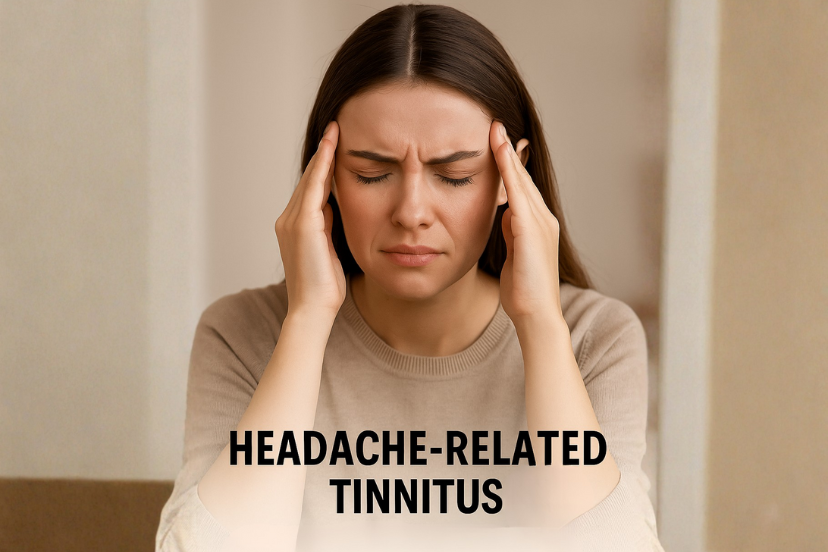
If you’ve ever experienced a headache and suddenly noticed ringing, buzzing, or humming in your ears at the same time, you’re not alone. Many people are surprised to learn that head pain and tinnitus are often directly connected. This leads to an important and commonly searched question: Can pain in the head cause ringing in the ears?
Yes — headache-related tinnitus is a recognized clinical pattern. In many cases, the ringing is not caused by permanent hearing damage, but by muscle tension, nerve irritation, blood-flow changes, stress response, or jaw and neck dysfunction.
This guide explains how headache-related tinnitus works, how to recognize it, and when medical care is appropriate.
Quick Answer
Yes, head pain can trigger or worsen tinnitus. Headaches — especially tension headaches, migraines, TMJ-related pain, and neck-related headaches — can change nerve signaling, muscle tension, and blood flow around the ear and brain. If tinnitus appears mainly during headaches or improves when head pain improves, they may be connected.
What Is Headache-Related Tinnitus?
Headache-related tinnitus is tinnitus that appears, worsens, or fluctuates alongside head pain. Unlike hearing-loss-driven tinnitus, this type is often:
• Temporary
• Fluctuating
• Movement Sensitive
• Stress Responsive
• Sometimes Improves When Headache Triggers Improve
It is commonly described as somatic tinnitus, meaning body movement, muscle tension, posture, and nerve input can influence sound perception.
Nervous System And Whole-Body Context: Why Head Pain Can Amplify Ear Ringing
The ear and brain are closely connected through multiple nerve pathways.
When headaches occur, several body systems can influence tinnitus perception:
• Pain Signals Increase Brain Alertness
• Stress Hormones Increase Sensory Sensitivity
• Muscle Tension Changes Nerve Signal Flow
• Blood Flow Changes Affect Inner Ear Oxygen Delivery
The brain may amplify background nerve noise when under stress or pain load. This is why tinnitus often feels louder during headaches, illness, or fatigue.
How Headaches Can Cause Ringing In The Ears
Muscle Tension Compresses Ear-Related Nerves
Tension headaches often involve tight muscles in:
• Temples
• Forehead
• Jaw
• Neck
• Shoulders
• Upper Back
These areas sit near nerves linked to hearing pathways, including the trigeminal and upper cervical nerve networks. Muscle pressure can alter nerve signaling and create ringing sensations.
Migraines Affect Nerve Signaling And Sound Processing
Migraines are neurological events. During migraines:
• Nerve Activity Becomes Hyperactive
• Blood Vessels Rapidly Constrict And Dilate
• Sensory Processing Becomes Sensitive
• Brain Inflammation Markers Increase
This can cause:
• Ringing Or Hissing
• Sound Sensitivity
• Ear Pressure
• Pulsatile Tinnitus
Many people notice tinnitus appears during migraine phases and fades afterward.
Blood Flow Changes Can Trigger Both Head Pain And Tinnitus
Headaches often involve circulation changes affecting:
• Brain
• Inner Ear
• Brainstem
• Neck Arteries
This may cause:
• Pulsatile Tinnitus
• Whooshing Sounds
• Pressure Headaches
Even small circulation changes can affect sound perception.
Jaw Clenching And TMJ Disorders
Stress or headaches can increase jaw tension. TMJ dysfunction may cause:
• Ear Pressure
• Clicking Or Popping
• Tinnitus Spikes
• Temple Pain
• Jaw Pain
TMJ treatment may help reduce tinnitus intensity for some people.
Cervical Spine And Neck Tension
The upper neck influences the hearing and balance systems. Poor posture, injury, or forward head posture can contribute to:
• Cervicogenic Headaches
• Neck-Driven Tinnitus
• Dizziness
• Brain Fog
What This Often Feels Like In Real Life
Many people describe patterns such as:
• Ringing Appears During Stress Headaches
• Tinnitus Gets Louder When Neck Is Tight
• Jaw Clenching Makes Ringing Spike
• Massage Or Heat Lowers Ringing Intensity
• Tinnitus Fades When Headache Improves
These patterns often point toward somatic or headache-linked tinnitus rather than primary hearing loss tinnitus.
Real Life Scenario
Scenario Example:
You work long hours at a computer. By evening, your neck is tight and you develop a tension headache. Later, you notice ear ringing that fades after stretching or rest.
Another Scenario:
You develop a migraine with light sensitivity and nausea. During the migraine, you hear ringing or pressure in one or both ears. After the migraine ends, tinnitus reduces.
Self-Assessment Checklist: Could Your Tinnitus Be Headache-Related?
You may have headache-related tinnitus if you notice:
• Tinnitus Starts During Headaches
• Sound Changes With Neck Or Head Movement
• Jaw Clenching Changes Sound Volume
• Stress Quickly Worsens Tinnitus
• Massage Or Heat Reduces Ringing
• Tinnitus Improves As Headache Improves
• Neck Or Shoulder Tightness Happens With Ringing
Typical Recovery Pattern (Recovery Timeline)
Short-Term Headache-Triggered Tinnitus
• Minutes To Hours — Appears During Headache
• Hours To Days — Improves As Head Pain Improves
Recurrent Headache-Linked Tinnitus
• Weeks — Brain May Become More Sensitive To Signals
• Months — Many People Learn To Reduce Triggers And Improve Symptoms
Note: Recovery varies widely depending on trigger control and overall health.
Comparison Table: Headache-Related Vs Hearing Loss Tinnitus
| Feature | Headache-Related Tinnitus | Hearing Loss Tinnitus |
|---|---|---|
| Trigger | Head Pain, Muscle Tension | Hearing Damage |
| Pattern | Fluctuates | Often Constant |
| Movement Effect | Changes With Movement | Usually Stable |
| Stress Impact | Often Strong | Moderate |
| Improvement Pattern | Improves With Trigger Control | Managed Long Term |
Decision Support: Monitor Or Seek Medical Evaluation
When Monitoring At Home Is Reasonable
• Tinnitus Appears Only During Headaches
• Improves As Pain Improves
• No Hearing Loss
• No Neurological Symptoms
When Medical Evaluation Is Important
• Sudden New Tinnitus Without Headache History
• One-Sided Persistent Ringing
• Severe Or New Neurological Symptoms
• Vision Changes
• Severe Dizziness
• Pulsatile Tinnitus
• Severe Or Unusual Headaches
Expectation Vs Reality
Expectation: Headache, tinnitus means permanent ear damage
Reality: Many cases are nerve, muscle, or circulation related
Expectation: If tinnitus is from headaches, it will disappear instantly
Reality: Improvement often happens gradually as triggers improve
Expectation: Only ear specialists help with tinnitus
Reality: Neurologists, physical therapists, dentists, and ENT doctors may all help
Which Headaches Most Commonly Cause Tinnitus?
• Tension Headaches — Muscle tension irritates nerve pathways
• Migraines — Neurological and vascular changes
• Sinus Headaches — Pressure affects middle ear function
• TMJ Headaches — Jaw mechanics affect ear structures
• Cervicogenic Headaches — Neck nerves influence ear signaling
How To Reduce Headache-Related Tinnitus (Evidence-Aware Lifestyle Support)
Release Muscle Tension
• Gentle Neck Stretching
• Shoulder Rolls
• Jaw Relaxation Exercises
• Heat Therapy
• Trigger Point Massage
Improve Posture
• Screen At Eye Level
• Shoulders Relaxed
• Head Over Spine
• Movement Breaks Every 30–45 Minutes
Calm The Nervous System
• Deep Breathing
• Meditation
• Gentle Yoga
• Slow Walking
Support Healthy Blood Flow
• Hydration
• Regular Meals
• Stable Caffeine Intake
• Gentle Movement
Improve Sleep Quality
• Consistent Sleep Schedule
• Sound Masking At Night
• Reduced Evening Screen Time
Reduce Jaw Stress
• Avoid Daytime Clenching
• Limit Gum Chewing
• Consider Night Guard If Needed
Track Triggers
Common triggers may include:
• Stress
• Dehydration
• Skipped Meals
• Screen Exposure
• Hormonal Changes
• Weather Shifts
Daily Routine For Headache-Related Tinnitus Support
Morning
• Hydration
• Gentle Stretching
• Posture Check
Midday
• Screen Breaks
• Neck Movement
• Stress Check
Evening
• Heat Therapy
• Light Stretching
• Relaxation Routine
Bedtime
• Sound Masking
• Dim Lighting
• Consistent Sleep Time
When Monitoring At Home Is Reasonable
If tinnitus:
• Appears Only With Headaches
• Improves With Pain Relief
• Does Not Affect Hearing
• Does Not Cause Neurological Symptoms
Monitoring is often reasonable with provider guidance.
When Medical Evaluation Is Important
Seek care if you experience:
• Sudden Unilateral Tinnitus
• Severe Headaches
• Vision Loss
• Neurological Symptoms
• Persistent Dizziness
• Jaw Locking Or Severe TMJ Pain
• Pulsatile Heartbeat-Synced Tinnitus
FAQs About Headache-Related Tinnitus
Can Headaches Really Cause Tinnitus?
Yes. Muscle tension, nerve irritation, and blood-flow shifts can influence auditory pathways.
Is Headache-Related Tinnitus Permanent?
Often not. Many cases improve when underlying triggers are addressed.
Why Does Stress Make Tinnitus Worse During Headaches?
Stress increases muscle tension and nervous system sensitivity.
Can Treating Headaches Reduce Tinnitus?
In many cases, yes — especially if the tinnitus is trigger-driven.
Can Migraine Medication Affect Tinnitus?
Sometimes. Stabilizing migraines may reduce tinnitus triggers.
Does Posture Affect Tinnitus?
Yes. Posture can influence neck nerves and circulation.
Can Sinus Pressure Cause Temporary Tinnitus?
Yes. Sinus pressure can affect the middle ear pressure balance.
Can Dehydration Make Headache Tinnitus Worse?
Yes. Dehydration can affect circulation and nervous system stability.
Should I See A Neurologist Or ENT First?
Primary care can help guide referrals depending on symptoms.
Conclusion: Headache-Related Tinnitus Is Common And Often Manageable
Headache-related tinnitus is one of the more common tinnitus patterns. It often involves:
• Muscle Tension
• Nerve Irritation
• Circulation Changes
• Jaw Dysfunction
• Postural Strain
• Stress Load
By addressing triggers such as muscle tension, posture, sleep, stress, and jaw strain, many people improve symptom control and daily comfort.
Medical Disclaimer
This article is for informational purposes only and does not constitute medical advice. Headaches and tinnitus can have multiple causes requiring professional evaluation. Always consult a licensed healthcare provider, neurologist, ENT specialist, or audiologist before starting any treatment plan.
 Explore more: