Passionflower Tea and Tinnitus Relief: Does It Calm the Ringing?
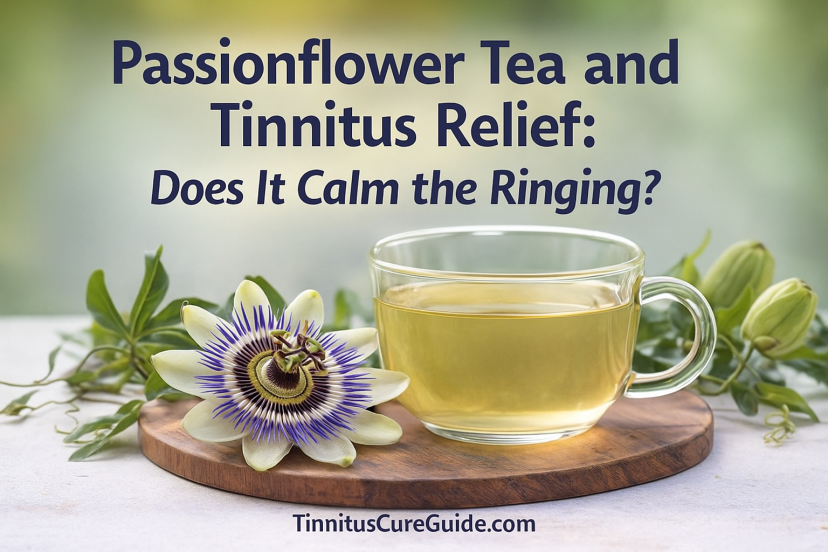
Passionflower tea and tinnitus relief — Traditionally used for anxiety relief, may help reduce perceived ringing intensity.
Living with tinnitus can feel overwhelming. The constant ringing, buzzing, clicking, or hissing in your ears can interfere with concentration, sleep, and emotional well-being. For many people, stress and anxiety make tinnitus louder and more disruptive. That’s why natural calming remedies like passionflower tea are becoming increasingly popular.
But can passionflower tea actually help reduce tinnitus symptoms? And is there scientific support for using it as part of your tinnitus routine?
In this comprehensive guide, you’ll learn:
-
How passionflower tea affects the nervous system
-
Why stress and anxiety worsen tinnitus
-
Whether passionflower may help calm the ringing
-
How to use passionflower tea safely and effectively
-
Who should avoid it
-
How it fits into a broader tinnitus management strategy
Let’s explore the connection between passionflower tea and tinnitus relief and what you need to know before adding it to your daily routine.
🌿 What Is Passionflower Tea?
Passionflower (genus Passiflora) is a flowering plant traditionally used for:

-
Anxiety
-
Insomnia
-
Mild stress
-
Nervous tension
-
Restlessness
The species most commonly used in teas and supplements is Passiflora incarnata, known for its calming and mild sedative qualities. The plant contains several active compounds, including:
-
Flavonoids (such as chrysin and vitexin)
-
Alkaloids
-
GABA-modulating compounds
-
Antioxidants
These components work together to gently slow down an overactive nervous system, making passionflower a widely used herbal remedy for promoting calmness and better sleep—two things that directly affect tinnitus severity.
🔊 Why Stress and Anxiety Make Tinnitus Worse
Stress and tinnitus are deeply connected. While tinnitus has many possible causes—hearing damage, inflammation, circulation issues, nerve irritation—the perception of tinnitus is strongly influenced by your mental and emotional state.
Here’s how stress worsens tinnitus:
Stress Heightens Sensory Awareness
When stress hormones rise, your brain becomes more sensitive to internal sounds. The ringing feels louder because your nervous system is on high alert.
Anxiety Triggers a Feedback Loop
You hear the ringing → you worry about it → anxiety increases → ringing feels louder → repeat.
Many tinnitus sufferers become trapped in this cycle.
Poor Sleep Intensifies Tinnitus
Lack of sleep disrupts natural neural filtering, causing the brain to “over-listen” to internal sounds. Stress + insomnia = stronger tinnitus spikes.
Muscle Tension Can Contribute
Stress tightens neck, jaw, and facial muscles, sometimes aggravating tinnitus—especially in those with somatic or neck-related tinnitus.
Because passionflower helps reduce stress, calms the mind, and supports better sleep, it may indirectly lower the intensity of tinnitus.
🌸 How Passionflower Tea May Help With Tinnitus Relief
Passionflower has no proven ability to cure tinnitus or repair ear damage—but research and traditional use suggest that it may offer meaningful symptom relief by calming the body and reducing stress-triggered spikes.
Here are the ways passionflower may help:
⭐ 1. Passionflower Promotes Deep Relaxation
Passionflower increases gamma-aminobutyric acid (GABA) activity—an inhibitory neurotransmitter responsible for calming brain activity.
Higher GABA levels mean:
-
Less mental tension
-
Reduced worry
-
Fewer stress responses
-
Lower perception of ringing
Since many tinnitus spikes are stress-related, this calming effect is incredibly valuable.
⭐ 2. Supports Better Sleep Quality
Tinnitus is often most noticeable at night. The quiet environment makes internal sounds easier to detect, and anxiety worsens the perception.
Passionflower tea is traditionally used for:
-
Falling asleep faster
-
Reducing nighttime anxiety
-
Supporting deeper sleep
-
Easing mind chatter
Better sleep = better tinnitus control.
⭐ 3. May Reduce Anxiety Related to Tinnitus
One of the strongest benefits of passionflower is its anti-anxiety effect, comparable in some studies to mild anti-anxiety medications (but without the same addictive potential).
Lower anxiety can mean:
-
Fewer emotional spikes
-
Better coping skills
-
Reduced “fight or flight” response
-
Lower overall tinnitus annoyance
⭐ 4. Helps Interrupt the Stress-Tinnitus Loop
When passionflower calms the nervous system, tinnitus no longer feels like an emergency. This prevents the brain from amplifying the ringing.
Calm brain → calmer tinnitus.
Stressed brain → louder tinnitus.
Passionflower supports the calmer side of that equation.
🍵 How to Use Passionflower Tea for Tinnitus Relief
If you want to experiment with passionflower tea as part of your tinnitus routine, here’s how to use it effectively.
✔ When to Drink It
Most people find the best times are:
-
1–2 hours before bed (for sleep support)
-
During stressful periods
-
During a tinnitus spike caused by anxiety
-
In the evening, as part of a quiet, calming routine
Because passionflower has a mild sedative effect, it’s ideal for evenings rather than mornings.
✔ How Much to Drink
A common starting point:
-
1 cup daily, or
-
Up to 2 cups during high-stress days
Avoid excessive amounts. Moderation is important.
✔ How to Brew Passionflower Tea
-
1 tea bag or 1–2 teaspoons dried passionflower
-
Steep 5–10 minutes
-
Longer steeping = stronger calming effect
Optional calming add-ins:
-
Honey
-
Chamomile
-
Lemon balm
-
Lavender
-
Peppermint
These herbs pair beautifully with passionflower and support tinnitus relief through relaxation.

✔ Signs It’s Working
Many people notice:
-
Reduced mental tension
-
Lower anxiety around tinnitus
-
Easier relaxation
-
Better sleep
-
Reduced intensity of nighttime ringing
Effects may appear within 20–40 minutes or gradually over a few days of consistent use.
🧘♀️ Adding Passionflower Tea to a Tinnitus Management Routine
Passionflower works best when combined with other tinnitus-friendly habits.
Here are science-supported strategies:
✔ Stress-Reduction Techniques
-
Deep breathing
-
Progressive muscle relaxation
-
Yoga or stretching
-
Light exercise
-
Meditation
-
Guided relaxation
These help deactivate the “tinnitus danger response.”
✔ Healthy Sleep Hygiene
-
Keep screens low before bed
-
Use white noise or soft sound masking
-
Maintain a consistent bedtime
-
Keep the room dark and cool
-
Use calming teas like passionflower
Good sleep lowers tinnitus sensitivity.
✔ Sound Masking
-
White noise
-
Rain sounds
-
Ocean waves
-
Soft music
-
Low-volume fan
Masking reduces nighttime spikes dramatically.
✔ Healthy Lifestyle Choices
-
Drink enough water
-
Limit processed sugar
-
Avoid loud noise exposure
-
Reduce jaw/neck tension
-
Maintain anti-inflammatory diet habits
These small changes often lower tinnitus intensity over time.
❗ Who Should Avoid Passionflower Tea?
While passionflower is considered safe for most people, some should use caution.
Avoid or consult a doctor if you:
-
Are you pregnant or breastfeeding
-
Take sedatives
-
Take blood pressure medications
-
Are on antidepressants or anti-anxiety medications
-
Have liver disease
-
Have an upcoming surgery
-
Have allergies to plants in the Passiflora family
Side effects are rare but may include:
-
Drowsiness
-
Dizziness
-
Upset stomach
If you experience unusual symptoms, discontinue use.
🔬 What Does Science Say About Passionflower and Anxiety?
While there are no large clinical trials specifically on passionflower for tinnitus, there is strong research on its effects on anxiety, sleep, and nervous system regulation—all of which influence tinnitus intensity.
Research finds that passionflower may:
-
Increase GABA activity
-
Reduce acute stress
-
Improve sleep quality
-
Provide mild sedative effects
-
Reduce generalized anxiety symptoms
Since anxiety is a major driver of tinnitus spikes, these benefits can play an indirect but meaningful role in tinnitus management.
Experts agree that stress management is one of the most effective non-medical tinnitus strategies, and passionflower tea supports that goal naturally.
🧩 Sample Daily Routine for Using Passionflower Tea for Tinnitus
Here’s a practical routine you can recommend to your readers.
Morning
-
Light stretching
-
Hydration
-
Gentle activity
-
Avoid silence (use soft background sound)
Afternoon
-
Short stress break
-
Maintain moderate noise levels
-
Mindfulness or breathing exercise
Evening
-
1 cup passionflower tea
-
Light reading or quiet activity
-
No screens 1 hour before bed
-
Sound masking prepared
Bedtime
-
Deep breathing
-
Relaxation exercises
-
Use sound therapy (rain, white noise)
-
Maintain a dark, cool environment
This centered routine helps reduce the severity and emotional impact of tinnitus.
📌 FAQs About Passionflower Tea and Tinnitus Relief
Does passionflower tea reduce tinnitus volume?
Not directly. It reduces stress and anxiety, which often lowers the perceived loudness of tinnitus.
How long does passionflower take to work?
Most people feel calmer within 20–45 minutes. For sleep and anxiety improvements, consistent use over several days works best.
Is passionflower tea safe to drink daily?
Generally yes, but check with your doctor if you take medications or have health conditions.
Can passionflower help with nighttime tinnitus?
Yes, its calming and sleep-supporting effects make it especially helpful for nighttime spikes.
Can I combine passionflower tea with other calming teas for tinnitus?
Yes, many people blend passionflower with chamomile, lemon balm, or lavender for added relaxation benefits. Just be cautious when combining multiple sedative herbs—start with small amounts, especially if you’re sensitive to drowsiness.
Does passionflower interact with tinnitus medications or supplements?
Passionflower may interact with sedatives, anti-anxiety medications, antidepressants, blood pressure medicines, and specific sleep aids. If you’re taking prescription medications—especially those affecting the nervous system—consult your doctor before adding passionflower tea.
Is passionflower helpful for stress-induced tinnitus spikes?
Yes, passionflower’s calming effects may help reduce the intensity of tinnitus spikes triggered by anxiety, high stress, or emotional tension.
🎯 Conclusion: Can Passionflower Tea Calm Tinnitus?
Passionflower tea is not a cure for tinnitus, nor will it fix underlying ear damage. However, it can be a valuable part of a holistic tinnitus management plan—especially for those whose symptoms worsen with stress, worry, or poor sleep.
By calming the nervous system, promoting relaxation, improving sleep quality, and easing anxiety, passionflower helps reduce the emotional and perceptual intensity of tinnitus. When combined with sound therapy, good sleep hygiene, and stress-reduction practices, its benefits can be significant.
For many tinnitus sufferers, passionflower tea is a gentle, natural way to support a calmer mind—and a quieter experience of tinnitus.
⚠️ Medical Disclaimer
This article is for informational purposes only and is not intended as medical advice, diagnosis, or treatment. Passionflower tea and other herbal remedies cannot cure tinnitus, and results vary from person to person. Always consult a licensed healthcare provider, audiologist, or medical professional before beginning any new herbal product—especially if you have health conditions, are pregnant, or take prescription medications. Never stop or change any medications without professional guidance.
 Explore more: