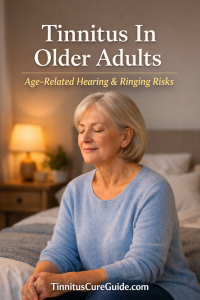
🔊 Tinnitus In Older Adults: Age-Related Hearing & Ringing Risks

🧑 When Ringing Becomes Part Of Daily Life
For many older adults, tinnitus isn’t just an occasional annoyance — it’s a daily companion. The constant ringing, buzzing, hissing, or whooshing in the ears can make conversations harder, disrupt sleep, and quietly increase stress levels over time.
If you’re experiencing tinnitus in older adults, you may notice it’s more intense at night, more noticeable during quiet moments, or harder to ignore than it once was. These sounds aren’t coming from the environment — they’re created within the hearing system itself.
The good news? While tinnitus is more common with age, it is not something you simply have to live with. With the right understanding, lifestyle adjustments, and supportive tools, many seniors find meaningful relief and regain a sense of calm and control.
🔊 Understanding Tinnitus In Older Adults
Tinnitus in older adults refers to the perception of sound without an external source. It may sound like:
-
Ringing
-
Buzzing
-
Humming
-
Whistling
-
Pulsing or whooshing
For seniors, tinnitus often develops gradually and may affect one or both ears. The intensity can range from mild background noise to a constant distraction that interferes with daily life.
Why Tinnitus Becomes More Common With Age
As we age, changes occur in the inner ear, auditory nerve, and brain pathways involved in hearing. These changes can increase sensitivity to internal noise signals, leading to senior ear ringing that feels persistent and frustrating.

🧠 Causes Of Tinnitus In Seniors
Understanding the root cause is the first step toward effective management.
🔊 Age-Related Hearing Loss And Tinnitus
One of the most common links is age hearing loss tinnitus, also known as presbycusis. As hearing cells gradually decline, the brain may “fill in the silence” with phantom sounds.
🩺 Common Medical Contributors
-
Earwax buildup, which becomes more common with age
-
High blood pressure or cardiovascular disease
-
Diabetes, which affects circulation to the inner ear
-
Thyroid disorders
-
TMJ (jaw joint) dysfunction
💊 Medication Side Effects
Certain medications frequently prescribed to older adults can worsen tinnitus, including:
-
Aspirin (high doses)
-
Some antibiotics
-
Diuretics
-
Chemotherapy drugs
Never stop medications without consulting your doctor, but medication review is important when managing tinnitus in older adults.
🔊 Symptoms And How They Affect Daily Life
Tinnitus doesn’t affect everyone the same way. For seniors, common challenges include:
-
Difficulty following conversations
-
Increased listening fatigue
-
Sleep disruption
-
Anxiety or irritability
-
Trouble concentrating
Over time, unmanaged tinnitus may contribute to social withdrawal, especially when paired with hearing loss.
🌿 Lifestyle Strategies To Reduce Senior Ear Ringing
Daily habits play a powerful role in managing tinnitus in older adults.
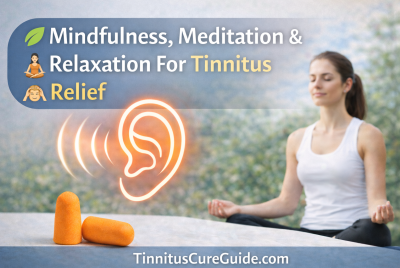
🧘♀️ Stress Reduction Techniques
Stress often amplifies tinnitus. Calming the nervous system can reduce perceived loudness.
-
Deep breathing exercises
-
Gentle yoga or stretching
-
Guided meditation
-
Progressive muscle relaxation
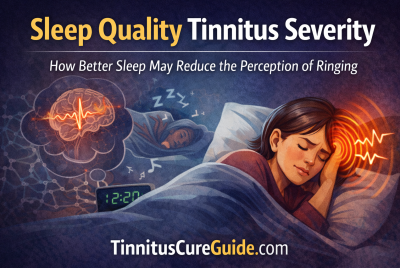
💤 Improving Sleep With Tinnitus
Nighttime silence can make ringing feel louder.
-
Use white noise or nature sounds
-
Avoid caffeine after noon
-
Maintain a consistent bedtime
-
Keep the bedroom slightly cool and dark
🔊 Sound Therapy And Hearing Devices
Sound therapy helps retrain the brain to focus less on tinnitus.
🎧 Sound Masking Options
-
White noise machines
-
Fan or air purifier
-
Nature sound apps designed for tinnitus relief
👂 Hearing Aids For Tinnitus In Older Adults
Modern hearing aids often include tinnitus-masking features. By amplifying external sounds, they reduce the contrast between silence and ringing — a key factor in elderly tinnitus prevalence management.
Many U.S.-based seniors report improvement when hearing loss and tinnitus are treated together.

🌿 Supplements Commonly Used By Seniors
While supplements aren’t cures, some may support ear health when used consistently.
🧩 Ginkgo Biloba
-
May support blood flow to the inner ear
-
Often used by seniors for cognitive and circulatory health
💊 Magnesium
-
Supports nerve signaling
-
May help reduce sound sensitivity
⭐ Vitamin B12
-
Deficiency is common in older adults
-
Linked to nerve health and hearing function
Always consult a healthcare provider before starting supplements, especially if you take medications.
🥗 Nutrition Tips For Aging Ears
Diet impacts circulation and inflammation, both of which influence tinnitus.
-
Stay hydrated
-
Limit excess salt
-
Reduce alcohol intake
-
Eat antioxidant-rich foods
-
Focus on omega-3 fatty acids
A heart-healthy diet often supports better hearing health as well.
🔊 Preventing Tinnitus From Worsening
While you can’t reverse aging, you can protect what remains.
-
Avoid loud environments
-
Use hearing protection
-
Manage blood pressure
-
Get regular hearing tests
-
Address ear infections early
Consistency matters when managing tinnitus in older adults.
⚕️ When To See A Doctor Or Audiologist
Before assuming tinnitus is harmless, seek professional guidance if you experience:
-
Sudden hearing loss
-
Tinnitus in only one ear
-
Pulsing or heartbeat-like sounds
-
Dizziness or balance problems
-
Rapid worsening of symptoms
An ENT or audiologist can rule out treatable conditions and tailor a management plan.
❓ FAQs About Tinnitus In Older Adults
1. Is tinnitus normal as you age?
Tinnitus becomes more common with age, but it isn’t inevitable. Many seniors manage symptoms successfully with lifestyle changes and support.
2. Can hearing aids help with elderly tinnitus?
Yes. Hearing aids often reduce tinnitus by amplifying external sounds and lowering the brain’s focus on internal noise.

3. Does tinnitus mean I’m losing my hearing?
Not always, but tinnitus often accompanies hearing loss. A hearing test can clarify what’s happening.
4. What is the most common cause of tinnitus in seniors?
Age-related hearing loss is the leading cause of tinnitus in older adults.
5. Can stress make senior ear ringing worse?
Absolutely. Stress increases nervous system sensitivity, which can amplify tinnitus perception.
6. Are there home remedies for elderly tinnitus?
Sound therapy, relaxation techniques, sleep support, and nutrition adjustments are common home strategies.
7. Is tinnitus a sign of something serious?
Usually, no, but sudden, one-sided, or pulsating tinnitus should always be evaluated by a doctor.
✅ Conclusion: Managing Tinnitus With Patience And Care
Living with tinnitus in older adults can feel overwhelming at first, but it doesn’t have to control your life. With consistent habits, supportive tools, and professional guidance when needed, many seniors learn to reduce the impact of ringing and regain peace of mind.
Small steps — taken daily — often lead to the biggest improvements. Protect your hearing, care for your overall health, and remember that relief is a process, not a race.
⚠️ Medical Disclaimer
This content is for informational purposes only and does not replace professional medical advice. Always consult a qualified healthcare provider regarding diagnosis or treatment of tinnitus or hearing conditions.
 Explore more:
- Neurological Tinnitus: When the Brain Causes the Ringing
- Can an ENT Doctor Help With Tinnitus?
- Hearing Protection & Lifestyle Habits To Prevent Tinnitus