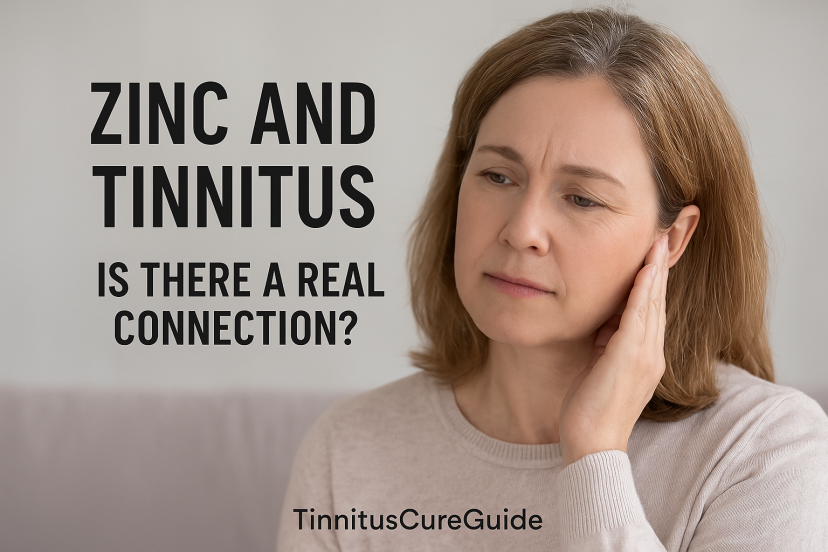
Zinc and Tinnitus: Is There a Real Connection?
🔊 When the Ringing Won’t Stop: Searching for Real Relief
If you live with tinnitus — that constant ringing, buzzing, or whooshing sound that seems to never fade — you know how disruptive it can be. It can interrupt conversations, disturb sleep, and leave you feeling frustrated and on edge. For many Americans, tinnitus affects both quality of life and emotional well-being. While there isn’t a one-size-fits-all cure, research is shedding light on the role of certain nutrients — especially zinc, a trace mineral essential for immune function, nerve health, and cellular repair. But can zinc really make a difference for tinnitus sufferers? Let’s explore what science says about the connection between zinc and tinnitus, and how to use it safely and effectively.
🌿 What Is Zinc and Why Does It Matter for Ear Health?
Zinc is a micronutrient that plays a key role in over 300 enzyme functions in the body. It’s essential for:
✅ Immune system strength
✅ Wound healing and tissue repair
✅ DNA synthesis and cell growth
✅ Nerve communication and antioxidant defense
In the context of hearing, zinc supports the cochlea and auditory pathways, helping protect delicate hair cells responsible for converting sound waves into electrical signals.
Deficiency in zinc has been linked to hearing loss, slower cell repair, and increased inflammation — all of which can worsen tinnitus symptoms.
🧠 The Science Behind Zinc for Tinnitus
Researchers have long been interested in zinc’s potential for tinnitus because of its dual role in cellular repair and auditory nerve function.

📘 1. Zinc Levels in Tinnitus Patients
Several U.S. and international studies have shown that people with tinnitus often have lower serum zinc levels than those without it.
A 2016 study published in the American Journal of Otolaryngology found that zinc deficiency was significantly more common in chronic tinnitus sufferers, particularly in older adults. Participants who received zinc supplementation showed measurable improvements in tinnitus loudness and overall comfort.
📗 2. Zinc and Cellular Repair
Zinc supports inner ear repair mechanisms by assisting in the regeneration of damaged cochlear cells. These cells are vital for hearing clarity — when they’re damaged (by noise exposure, infection, or age), the brain often compensates by generating phantom sounds (tinnitus).
📙 3. Zinc’s Role in Antioxidant and Immune Defense
Oxidative stress — caused by inflammation, aging, or environmental toxins — is a known contributor to tinnitus. Zinc acts as a natural antioxidant, reducing inflammation and protecting auditory cells from free radical damage.
It also strengthens the immune system, helping your body fight off ear infections that could trigger or worsen tinnitus.
🧬 How Zinc Supports Hearing and Nerve Repair
Zinc contributes to auditory health in several ways:
1️⃣ Protects Hair Cells
Prevents oxidative damage to hair cells in the inner ear, essential for sound perception.
2️⃣ Improves Nerve Transmission
Helps maintain efficient signal transfer between the ear and the brain’s auditory cortex.
3️⃣ Enhances Immune Function
Fights ear infections that may lead to tinnitus or temporary hearing loss.
4️⃣ Promotes Cellular Regeneration
Supports tissue healing in the cochlea and surrounding auditory structures.
🧘♀️ Fun fact: The inner ear has one of the highest concentrations of zinc in the entire body, which shows how vital it is for maintaining healthy hearing.
🌿 Symptoms of Zinc Deficiency (and Why It Matters for Tinnitus)
If you’re deficient in zinc, your ears and nervous system may be among the first to feel it.

🚨 Common Signs of Zinc Deficiency:
-
Frequent colds or slow healing
-
Poor concentration or brain fog
-
Hair loss or brittle nails
-
Loss of taste or smell
-
Hearing changes or worsening tinnitus
-
Fatigue or low energy
In the U.S., mild zinc deficiency is relatively common — especially in older adults, vegetarians, and those taking certain medications (like diuretics or proton pump inhibitors).
💊 Zinc Supplementation for Tinnitus: What Studies Show
The big question: Can taking zinc supplements help reduce tinnitus symptoms?
The answer depends on individual factors — particularly whether you’re deficient and what type of tinnitus you have.
-
Positive studies: Many small-scale clinical trials have found that zinc supplementation improves tinnitus perception, loudness, or distress in people with low baseline zinc levels.
-
Mixed results: Some studies report minimal improvement, suggesting zinc may not help everyone equally — especially those without deficiency.
The general consensus is that zinc may not “cure” tinnitus, but it can help support auditory repair, reduce oxidative stress, and improve overall ear function over time.
💊 Recommended Zinc Dosage for Tinnitus
For adults in the U.S., the Recommended Dietary Allowance (RDA) for zinc is:
| Group | Daily Intake |
|---|---|
| Adult Men | 11 mg |
| Adult Women | 8 mg |
| Upper Limit (safe maximum) | 40 mg |
🩺 Therapeutic Use for Tinnitus
Clinical trials for tinnitus typically use 20–50 mg of zinc per day, depending on the individual’s deficiency status.
⚠️ Important: Long-term high doses (>50 mg daily) can interfere with copper absorption and cause side effects like nausea or anemia. Always check with your doctor before starting supplements.
🥗 Best Dietary Sources of Zinc
The best way to ensure consistent zinc intake is through whole foods, especially those rich in protein.
🍽️ Top Zinc-Rich Foods
✅ Oysters (the highest natural source of zinc)
✅ Beef and lamb
✅ Chicken thighs
✅ Pumpkin seeds and cashews
✅ Chickpeas and lentils
✅ Yogurt and cheese
✅ Fortified breakfast cereals
🧘♀️ Tip: Pair zinc-rich foods with vitamin C sources (like citrus or bell peppers) to enhance absorption naturally.
🌿 Zinc and Other Helpful Nutrients for Tinnitus
Tinnitus often responds best to a comprehensive nutritional approach rather than a single supplement. Combining zinc with other key nutrients supports cellular and nerve repair.
🌿 Complementary Nutrients:
-
Magnesium: Calms the nervous system and protects against sound sensitivity.
-
Vitamin B12: Supports auditory nerve repair.
-
Ginkgo biloba: Improves blood flow to the cochlea.
-
CoQ10: Enhances mitochondrial health and ear cell energy production.
Together, these nutrients promote balance between circulation, nerve health, and immune function, creating a stronger foundation for tinnitus relief.
🧘♀️ Lifestyle Tips for Supporting Zinc and Hearing Health
Lifestyle choices can significantly affect how your body uses zinc and how your ears respond to stress.
💆♂️ Practical Tips:
✅ Manage stress with deep breathing, meditation, or yoga — stress drains zinc stores and worsens tinnitus.
✅ Limit alcohol and caffeine — both can deplete zinc and increase ringing sensitivity.
✅ Avoid smoking — it reduces blood flow and cellular repair in the inner ear.
✅ Stay hydrated — dehydration can intensify tinnitus perception.
✅ Get quality sleep — your cells repair during rest, improving ear and nerve function.
⚕️ When to See a Doctor or Audiologist
If you suspect zinc deficiency or notice sudden changes in your tinnitus, it’s important to seek professional evaluation.
See an ENT or audiologist if you experience:
-
Sudden or one-sided tinnitus
-
Pulsatile (heartbeat-like) tinnitus
-
Dizziness or vertigo
-
Unexplained hearing loss
-
Ear pain or drainage
-
Tinnitus after starting a new medication
Your doctor can perform blood tests to measure zinc and copper levels and rule out other causes like earwax buildup, infection, or blood pressure issues.
If deficiency is confirmed, a personalized supplement plan can be created safely.
❓ FAQs About Zinc for Tinnitus
1️⃣ Can zinc cure tinnitus completely?
No — zinc isn’t a cure, but it can support ear health, nerve repair, and immune defense, which may reduce tinnitus severity for some individuals.
2️⃣ How long does it take for zinc supplements to work?
Most users notice subtle improvements after 2–3 months of consistent use, especially when the deficiency is corrected.
3️⃣ Is zinc safe to take daily?
Yes, within recommended limits. Avoid exceeding 40 mg/day unless advised by a healthcare provider.
4️⃣ Can I get enough zinc from food alone?
Many people can, but older adults or those with absorption issues may need supplements to maintain optimal levels.
5️⃣ What form of zinc is best for absorption?
Zinc picolinate, gluconate, or citrate forms are well-absorbed and gentle on the stomach.
6️⃣ Can zinc interact with medications?
Yes — zinc can reduce the absorption of certain antibiotics and diuretics. Always space supplements 2–3 hours apart from prescriptions.
7️⃣ What are the signs I’m taking too much zinc?
Nausea, metallic taste, and fatigue may signal overuse. Reduce dosage and consult your doctor if symptoms persist.
🌈 Final Takeaway: A Tiny Mineral with a Big Impact
Tinnitus can feel like a constant battle, but small, science-backed steps make a real difference. Zinc for tinnitus offers a promising, natural approach — especially for those with low levels or weakened immune function.
By supporting cellular repair, hearing protection, and nerve communication, zinc helps your body build resilience from the inside out.
Pair zinc-rich foods or supplements with a balanced diet, mindful relaxation, and consistent sleep — and over time, you may find your tinnitus becoming quieter, your focus sharper, and your sense of peace returning.
⚕️ Medical Disclaimer
This article is for informational purposes only and should not replace professional medical advice. Always consult your healthcare provider before starting any supplement or treatment for tinnitus.
 Explore more: