When to See a Doctor for Tinnitus: Key Warning Signs You Shouldn’t Ignore

🔊 Understanding When Tinnitus Requires Medical Attention
If you live with constant ringing, buzzing, hissing, clicking, or whooshing, you already know how disruptive tinnitus can be. It can interrupt your sleep, heighten your stress levels, and make it hard to concentrate during work or daily activities.
But while tinnitus is common, it’s not something you should ignore — especially if certain symptoms appear. This guide explains when to see a doctor for tinnitus, which warning signs matter most, and how an ENT specialist or audiologist can help you find relief, answers, and peace of mind.
🩺 What Tinnitus Really Means
Tinnitus itself is not a disease. It’s a symptom — often connected to the auditory system, blood flow, nerves, or underlying health issues.
You may hear sounds such as:
-
Ringing
-
Buzzing
-
Hissing
-
Pulsing
-
Clicking
-
Whooshing
-
Roaring
Understanding the cause helps determine whether your tinnitus needs immediate medical evaluation or routine monitoring.
🚨 Red Flags: When to See a Doctor for Tinnitus Immediately
Some symptoms require urgent care because they may signal a more serious medical condition.

❗ Sudden Tinnitus
If the ringing appears suddenly (especially in one ear), seek medical care immediately. Sudden tinnitus can accompany sudden sensorineural hearing loss, which needs treatment within 72 hours for best recovery outcomes.
❗ Tinnitus With Sudden Hearing Loss
If your hearing drops suddenly alongside tinnitus, visit an ENT or urgent care right away. Sudden hearing loss is considered a medical emergency in the U.S.
❗ Pulsatile Tinnitus (Heartbeat in Ear)
Pulsatile tinnitus — tinnitus that matches your heartbeat — may be linked to:
-
Blood Vessel Issues
-
High Blood Pressure
-
Vascular Narrowing
-
Increased Intracranial Pressure
Because these conditions require testing, pulsatile tinnitus should always be evaluated by an ENT specialist.
❗ Tinnitus After a Head Injury
If your tinnitus began after a fall, accident, concussion, or sports injury, you should see a doctor. Head injuries can affect hearing pathways, blood vessels, and nerves.
❗ Tinnitus With Ear Pain
Ear pain, especially when paired with ringing, may signal:
-
Ear Infection
-
Fluid Buildup
-
Eardrum Problems
-
Jaw or TMJ Disorders
In these cases, medical evaluation is recommended.
❗ One-Sided Tinnitus
If only one ear has ringing or buzzing, it’s important to rule out:
-
Acoustic Neuroma
-
Earwax Blockage
-
Middle Ear Issues
-
Meniere’s Disease
Doctors may order a hearing test or an MRI, depending on your symptoms.
🩻 Other Signs You Should See an ENT or Audiologist
Some symptoms aren’t emergencies but still need professional evaluation.
-
Tinnitus That Lasts More Than Two Weeks
-
Tinnitus That Gets Progressively Worse
-
Tinnitus That Interferes With Sleep or Mental Health
-
Tinnitus With Jaw Clicking or Severe TMJ Pain
-
Tinnitus After Loud Noise Exposure (Concerts, Machinery)
If your tinnitus is ongoing or worsening, a diagnostic exam helps identify treatable causes.
🧠 Why These Symptoms Matter
Tinnitus can be caused by many underlying issues, including:
-
Hearing Loss
-
Earwax Blockage
-
TMJ Disorders
-
High Blood Pressure
-
Circulatory Issues
-
Nerve Damage
-
Infections
-
Medication Side Effects
Different causes require different treatments — that’s why timing matters.
🩺 What Happens During a Medical Evaluation
Seeing a doctor for tinnitus typically involves three steps:
1️⃣ Medical History
Your ENT specialist or audiologist will ask questions about:
-
When the tinnitus started
-
What the sound feels like
-
Whether it’s constant or pulsing
-
Noise exposure history
-
Recent illnesses or injuries
-
Medication use
2️⃣ Hearing Test
An audiologist performs a painless hearing test (audiogram) to evaluate:
-
Hearing sensitivity
-
Frequency range
-
Speech understanding
-
Ear pressure and middle-ear function
Hearing loss is one of the most common causes of tinnitus, so this step is crucial.
3️⃣ Imaging or Labs (If Needed)
Depending on your symptoms, an ENT may order:
-
MRI
-
CT Scan
-
Blood Pressure Test
-
Blood Work
These tests help diagnose vascular conditions, infections, or neurological issues.
🔊 When to See a Doctor for Tinnitus Based on Specific Symptoms
Below is a clear, quick-reference guide.
🔥 See a Doctor Right Away If You Have:
-
Sudden Hearing Loss
-
Pulsatile (Heartbeat) Tinnitus
-
Severe Ear Pain
-
Head Injury
-
Neurological Symptoms (Numbness, Slurred Speech)
-
Rapidly Worsening Tinnitus
-
Dizziness + Tinnitus
⚠️ See a Doctor Soon If You Have:
-
Tinnitus Lasting More Than Two Weeks
-
Ringing in Only One Ear
-
Ringing Following Noise Exposure
-
Fluid Sensation or Ear Fullness
-
Jaw or TMJ Pain
-
Hearing Getting Slowly Worse
😊 Monitor at Home If You Have:
-
Mild, Intermittent Tinnitus
-
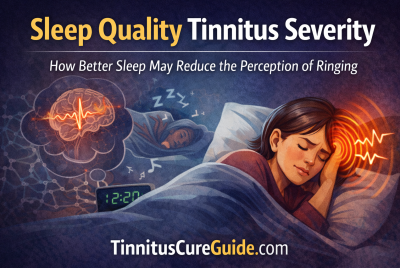
Ringing After Stress or Poor Sleep
-
Ringing After Caffeine or Salt
-
Occasional Earwax Issues
If symptoms last longer than expected, schedule an audiologist exam.
🌿 Natural Remedies You Can Try While Waiting for an Appointment
These supportive approaches are safe for most people and commonly used in the U.S.
🌿 Supplements
-
Ginkgo Biloba (supports circulation)
-
Magnesium (calms nerves and muscles)
-
Vitamin B12 (supports nerve health)
-
Zinc (immune support)
Always check with your doctor, especially if you take medications.
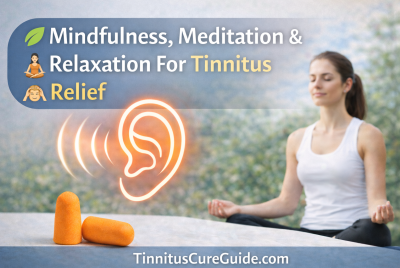
🧘♀️ Relaxation & Stress Relief
Stress can make tinnitus seem louder. Try:
-
Deep Breathing
-
Meditation
-
Progressive Muscle Relaxation
-
Mindfulness Apps (Calm, Headspace)
🎧 Sound Therapy
Background sound can significantly reduce tinnitus perception. Popular U.S. apps include:
-
ReSound Relief
-
TinnitusPlay
-
White Noise Lite
-
myNoise
Use sound therapy during:
-
Sleep
-
Work
-
Stressful moments
💆♂️ Jaw, Neck & Posture Care
Neck tension and TMJ issues can worsen tinnitus.
Try:
-
Neck Stretches
-
TMJ Massage
-
Posture Correction
-
Heat Therapy
🛑 When to See a Doctor for Tinnitus
You should book an appointment with an ENT specialist or audiologist if you experience:
-
Sudden or One-Sided Tinnitus
-
Pulsating or Rhythmic Tinnitus
-
Hearing Loss (Sudden or Gradual)
-
Dizziness, Vertigo, or Balance Problems
-
Tinnitus After a Head Injury
-
Tinnitus With Ear Pain or Pressure
-
Tinnitus Interfering With Daily Life or Mental Health
-
Tinnitus Lasting Longer Than Two Weeks
-
Tinnitus With Jaw Pain or TMJ Symptoms
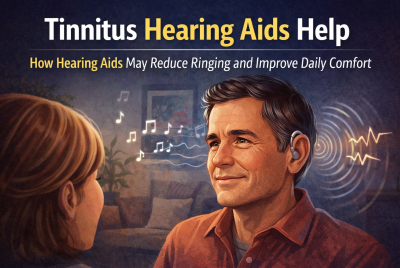
Prompt evaluation helps rule out serious conditions and gives you access to treatments such as hearing aids, sound therapy, medication adjustments, and lifestyle strategies.
❓ FAQs About When to See a Doctor for Tinnitus
1️⃣ How do I know if my tinnitus is serious?
If it’s sudden, one-sided, pulsatile, painful, or paired with hearing loss, see a doctor immediately.
2️⃣ Should I see an ENT or an audiologist first?
Start with an audiologist for a hearing test. If needed, they’ll refer you to an ENT for further evaluation.
3️⃣ Is pulsatile tinnitus dangerous?
It can be linked to vascular problems, so it always requires medical evaluation.
4️⃣ When should I go to urgent care for tinnitus?
Go to urgent care if you have sudden hearing loss, severe ear pain, or tinnitus after a head injury.
5️⃣ Can stress make tinnitus worse?
Yes — stress can increase the perception of ringing. Relaxation strategies may help reduce symptoms.
6️⃣ What tests will a doctor do for tinnitus?
Common tests include hearing exams, MRI/CT scans, blood pressure checks, and blood work.
7️⃣ Can tinnitus go away on its own?
Yes, especially if caused by stress, temporary earwax buildup, or recent noise exposure. Persistent symptoms require evaluation.
🌟 Conclusion
Tinnitus can be frustrating and emotionally draining, but you don’t have to manage it alone. Knowing when to see a doctor for tinnitus helps you protect your hearing, rule out underlying conditions, and find the right long-term treatment plan. With the right care — plus supportive strategies like sound therapy, lifestyle adjustments, and stress relief — most people find meaningful, steady improvement.
You deserve clarity, comfort, and peace of mind. Reaching out for help is the first step.
⚕️ Medical Disclaimer
This article is for informational purposes only and does not replace professional medical advice. Always consult a qualified healthcare provider for diagnosis and treatment.
 Explore more:
- Can Stress Headaches Cause Tinnitus?
- Can Tinnitus Trigger Headaches and Vertigo?
- Ginkgo Biloba Tea and Tinnitus