What Causes Tinnitus Ringing In The Ears? Common Triggers You Should Know
🌿 Why That Ringing Can Feel So Overwhelming
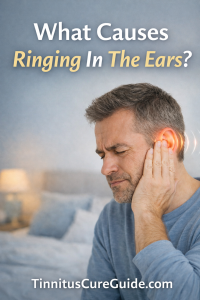
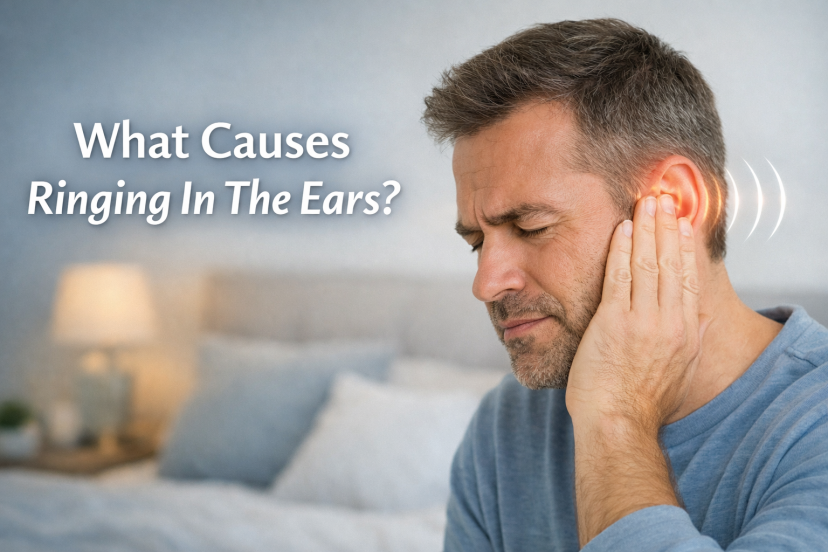
If you hear ringing, buzzing, humming, clicking, or whooshing sounds that no one else hears, you’re not alone. Millions of Americans experience tinnitus every day — and for many, it’s more than just an annoyance.
Tinnitus can interfere with sleep, concentration, mood, and stress levels. Some people notice it only in quiet rooms. Others hear it constantly, even during conversations or while trying to fall asleep. The uncertainty around why it happens often makes it worse.
Understanding the causes of tinnitus ringing in ears is the first step toward relief. While tinnitus itself isn’t a disease, it is a symptom — usually pointing to something happening in the ears, nervous system, or overall health.
In this guide, we’ll break down the most common ear ringing causes, explain why they happen, and help you identify possible tinnitus triggers affecting you right now.
🔊 What Is Tinnitus And Why Does It Cause Ringing?
Tinnitus is the perception of sound without an external source. These sounds can vary widely and may include:
-
Ringing
-
Buzzing
-
Hissing
-
Whistling
-
Clicking
-
Pulsing or whooshing
The brain plays a major role. When the auditory system doesn’t receive normal sound signals, the brain may “fill in the gaps” with phantom noise. This is why understanding the causes of tinnitus ringing in ears often requires looking beyond just the ear itself.
🔍 The Most Common Causes Of Tinnitus Ringing In Ears
🔊 Hearing Loss And Age-Related Changes
One of the leading causes of tinnitus ringing in ears is hearing loss, especially age-related hearing decline (presbycusis).
As we age, tiny hair cells in the inner ear become damaged or die. These cells help convert sound vibrations into electrical signals for the brain. When they stop working properly:
-
Sound signals become weaker
-
The brain compensates by increasing sensitivity
-
Phantom sounds like ringing may appear
This is why tinnitus is especially common in adults over 50 in the U.S.
🔊 Loud Noise Exposure
Exposure to loud sounds is one of the most preventable tinnitus triggers.
Common U.S.-based sources include:
-
Concerts and live music venues
-
Firearms and hunting
-
Power tools and lawn equipment
-
Headphones at high volume
-
Construction or factory work
Even short bursts of loud noise can damage inner ear structures. Repeated exposure increases the risk of permanent tinnitus.
🔊 Ear Wax Buildup
Excessive ear wax is an often-overlooked cause of tinnitus ringing in ears.
When wax blocks the ear canal, it can:
-
Muffle external sounds
-
Increase internal noise perception
-
Trigger ringing or buzzing sensations
Improper cleaning with cotton swabs may push wax deeper, making symptoms worse.
🔊 Medication Side Effects (Ototoxic Drugs)
Certain medications can irritate or damage the auditory system. These are known as ototoxic medications.
Common examples include:
-
High-dose aspirin
-
Some antibiotics
-
Certain chemotherapy drugs
-
Loop diuretics
-
NSAIDs, when used long-term
If tinnitus begins shortly after starting a new medication, it may be a key clue when identifying ear ringing causes.

🔊 Stress, Anxiety, And Nervous System Overload
Many people ask, why do I hear ringing in my ear more when I’m stressed?
Stress doesn’t directly cause tinnitus, but it can:
-
Heighten awareness of internal sounds
-
Increase muscle tension in the jaw and neck
-
Activate the fight-or-flight response
This creates a feedback loop where tinnitus feels louder and more intrusive during stressful periods.
🧠 Other Possible Tinnitus Triggers To Consider
🔊 Jaw And Neck Tension (Somatic Tinnitus)
Problems with the jaw joint (TMJ) or neck muscles can influence auditory pathways.
Signs include:
-
Ringing that changes with head movement
-
Jaw clicking or stiffness
-
Neck pain or posture issues
This form of tinnitus is surprisingly common and often responds to physical therapy or posture correction.
🔊 Blood Flow And Circulation Issues
Pulsatile tinnitus — a rhythmic whooshing sound — may be linked to blood flow changes.
Possible causes include:
-
High blood pressure
-
Narrowed blood vessels
-
Anemia
-
Vascular conditions
This type of tinnitus should always be medically evaluated.
✅ Self-Screening Checklist: What Might Be Triggering Your Tinnitus?
Use this quick checklist to identify possible causes of tinnitus ringing in ears:

-
Recent exposure to loud noise
-
Gradual or sudden hearing loss
-
Frequent headphone use
-
Ear fullness or wax buildup
-
New medications
-
High stress or anxiety levels
-
Jaw clenching or teeth grinding
-
Neck or posture issues
-
Poor sleep quality
Noticing patterns can help guide next steps.
🌿 Natural Management Strategies For Tinnitus
🔊 Sound Therapy And Noise Masking
Sound therapy helps reduce the contrast between tinnitus and silence.
Popular U.S. options include:
-
White noise machines
-
Nature sound apps
-
Fan or ambient noise at night
-
Bedside sound generators
🌿 Supplements Commonly Used For Tinnitus Support
Some people explore supplements as part of their routine:
-
Ginkgo biloba – supports circulation
-
Magnesium – supports nerve function
-
Vitamin B12 – deficiency linked to ear ringing causes
Always consult a healthcare provider before starting supplements.
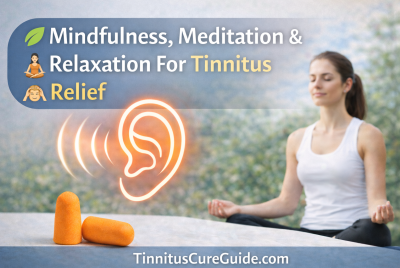
🧘♀️ Relaxation And Stress Reduction
Calming the nervous system can lower tinnitus intensity.
Helpful techniques include:
-
Deep breathing
-
Progressive muscle relaxation
-
Mindfulness meditation
Even 10 minutes a day can make a difference.
🩺 When To See A Doctor For Tinnitus
It’s important to know when professional care is needed.
Consult an ENT or audiologist if:

-
Tinnitus is sudden or severe
-
Ringing occurs in only one ear
-
You experience hearing loss or dizziness
-
Tinnitus pulses with your heartbeat
-
Symptoms worsen rapidly
Early evaluation can rule out serious causes and guide treatment.
❓ FAQs About The Causes Tinnitus Ringing In The Ears
1. What are the most common causes of tinnitus ringing in ears?
Hearing loss, loud noise exposure, ear wax buildup, medications, and stress are the most common triggers.
2. Why do I hear ringing in my ear at night?
Quiet environments make tinnitus more noticeable, especially when external sounds are minimal.
3. Can tinnitus go away on its own?
Some cases improve over time, especially if the underlying trigger is addressed early.
4. Is tinnitus a sign of hearing damage?
Often yes, but not always. A hearing test can help determine the cause.
5. Does anxiety make tinnitus worse?
Yes. Anxiety can increase awareness and intensity of ringing sounds.
6. Are there home remedies for tinnitus?
Sound therapy, stress management, and proper ear care are commonly used strategies.
7. Can lifestyle changes reduce tinnitus symptoms?
Yes. Sleep quality, stress reduction, and hearing protection all play a role.
💆♂️ Conclusion: Understanding Your Triggers Is The First Step
Tinnitus can feel frustrating, unpredictable, and exhausting — but understanding the causes of tinnitus ringing in ears gives you back a sense of control.
By identifying triggers, protecting your hearing, managing stress, and using supportive tools consistently, many people learn to reduce the impact tinnitus has on daily life. Relief often comes from patience, small changes, and a proactive approach rather than a single quick fix.
You’re not alone, and with the right knowledge and habits, tinnitus can become far more manageable.
⚠️ Medical Disclaimer
This content is for informational purposes only and does not constitute medical advice. Always consult a qualified healthcare professional for diagnosis and treatment of tinnitus or hearing-related conditions.
 Explore more: