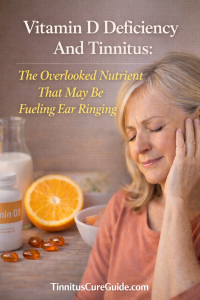
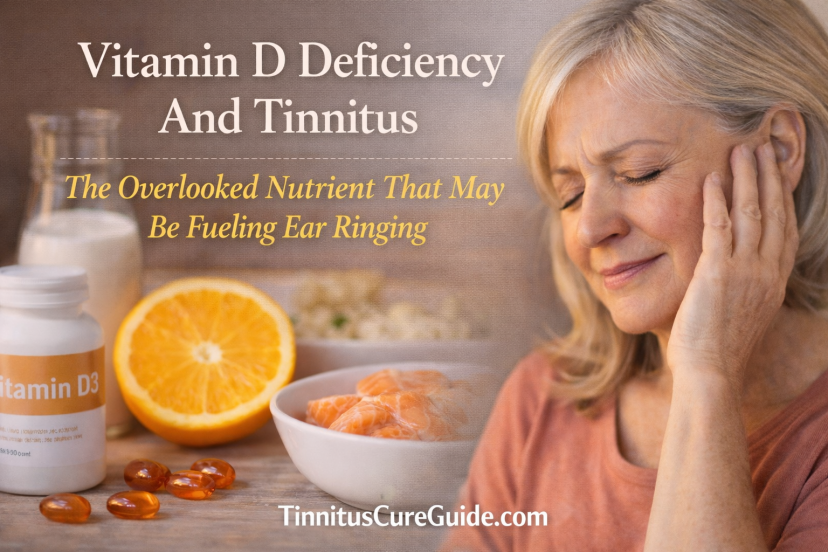
Vitamin D Deficiency And Tinnitus: The Overlooked Nutrient That May Be Fueling Ear Ringing
🌟 When A Simple Deficiency May Be Making Tinnitus Worse
If you live with constant ringing, buzzing, or humming in your ears, you’ve likely explored many possible causes—from stress and hearing loss to anxiety and sleep problems. But there’s one potential contributor many people overlook: vitamin D deficiency tinnitus.
Vitamin D is often associated with bone health, but its role goes far beyond that. It affects inflammation, immune response, nerve signaling, brain health, and even how the inner ear functions. Growing research suggests that low vitamin D levels may be linked to tinnitus severity, frequency, and persistence—especially in adults who spend little time in the sun or have absorption issues.
In this article, we’ll explore the science behind vitamin D deficiency tinnitus, how low vitamin D may contribute to ear ringing, who’s most at risk, and what you can do—naturally and safely—to support both hearing and overall wellness.
🧠 What Is Vitamin D And Why Is It So Important?
Vitamin D is a fat-soluble vitamin that functions more like a hormone than a typical nutrient. Your body produces it when your skin is exposed to sunlight, and you can also obtain smaller amounts from food and supplements.
🔔 Key Roles Of Vitamin D In The Body
-
Supports immune system regulation
-
Helps control inflammation
-
Supports nerve and brain function
-
Aids calcium balance and bone strength
-
Influences muscle and vascular health
Because tinnitus involves the auditory nerve, inner ear circulation, and brain sound-processing centers, vitamin D status can play a meaningful role in how tinnitus develops and how loud it feels.
🔊 Vitamin D Deficiency Tinnitus: Is There A Real Connection?
The short answer: yes, there appears to be a meaningful association.
Several clinical studies have found that people with tinnitus are more likely to have low vitamin D levels compared to those without tinnitus. While vitamin D deficiency does not directly “cause” tinnitus in all cases, it may increase vulnerability, worsen symptoms, or reduce the body’s ability to recover from underlying ear or nerve stress.
This is why many people searching for tinnitus relief eventually ask whether vitamin D deficiency tinnitus could be part of their puzzle.
🔬 How Low Vitamin D May Contribute To Ear Ringing
Vitamin D affects tinnitus through multiple biological pathways rather than a single mechanism.
🧠 1. Increased Inflammation
Low vitamin D is strongly associated with chronic inflammation. Inflammation can affect:
-
The inner ear structures
-
The auditory nerve
-
Blood flow to the cochlea
Inflammation in these areas may heighten abnormal sound signaling, making tinnitus more noticeable.
🔔 2. Auditory Nerve Dysfunction
Vitamin D supports nerve health and signal regulation. Deficiency may lead to:
-
Poor nerve conduction
-
Heightened nerve excitability
-
Reduced ability to filter background noise
This can increase the brain’s perception of phantom sounds.
🦻 3. Inner Ear Bone And Calcium Regulation
Vitamin D helps regulate calcium metabolism, which is critical for inner ear balance and hearing mechanisms. Low levels may affect:
-
Inner ear micro-structures
-
Cochlear function
-
Bone density around the auditory system
Some researchers believe this may partially explain vitamin D deficiency tinnitus in older adults.
🧠 4. Brain Sound-Processing Changes
Tinnitus is not just an ear issue—it’s also neurological. Vitamin D receptors exist in areas of the brain responsible for sound processing and emotional regulation. Deficiency may:
-
Reduce the brain’s ability to filter irrelevant sounds
-
Increase sensitivity to internal noise
-
Worsen stress-related tinnitus perception
😰 Common Symptoms Of Vitamin D Deficiency
Many people with tinnitus don’t realize they’re low in vitamin D because symptoms can be subtle.
⚠️ Possible Signs Include:
-
Fatigue or low energy
-
Muscle aches or weakness
-
Frequent infections
-
Mood changes or low mood
-
Poor sleep
-
Bone or joint discomfort
-
Persistent or worsening tinnitus
If several of these occur alongside ear ringing, vitamin D deficiency tinnitus becomes a reasonable consideration.

👥 Who Is Most At Risk For Vitamin D Deficiency Tinnitus?
Certain groups are more likely to have low vitamin D levels—and therefore a higher risk of tinnitus aggravation.
🌤️ Higher-Risk Groups Include:
-
Adults over 50
-
People with limited sun exposure
-
Those living in northern U.S. states
-
People who use sunscreen consistently
-
Individuals with digestive or absorption issues
-
People with autoimmune conditions
-
Those with darker skin pigmentation
Many tinnitus sufferers fall into more than one of these categories.
🩺 What The Research Says About Vitamin D And Tinnitus
While research is ongoing, multiple studies suggest a relationship worth paying attention to.
🔍 Research Highlights:
-
Tinnitus patients often show lower average vitamin D levels
-
Some studies link deficiency with greater tinnitus severity
-
Vitamin D supplementation has shown improvement in tinnitus symptoms for certain individuals—especially when deficiency was present
It’s important to note that vitamin D is not a cure, but it may be a supportive factor in a broader tinnitus management plan.
🌿 Can Correcting Vitamin D Deficiency Improve Tinnitus?
For some people, yes.
When tinnitus is aggravated by inflammation, nerve stress, or immune imbalance, restoring healthy vitamin D levels may help:
-
Reduce inflammatory burden
-
Improve nerve function
-
Support brain sound filtering
-
Enhance overall resilience to tinnitus triggers
Many people report tinnitus becoming less intrusive rather than disappearing completely—an important but meaningful improvement.
🥗 Natural Ways To Increase Vitamin D Levels
☀️ 1. Sunlight Exposure
Your body produces vitamin D when exposed to sunlight.
-
10–30 minutes of midday sun, several times per week
-
Expose arms or legs if possible
-
Avoid burning
Sunlight remains the most natural vitamin D source, though it may be insufficient year-round in many regions.
🥑 2. Vitamin D-Rich Foods
Diet alone rarely provides optimal levels, but it helps.

-
Fatty fish (salmon, sardines)
-
Egg yolks
-
Fortified milk or plant milks
-
Fortified cereals
These foods support overall nutritional balance alongside tinnitus management.
💊 3. Vitamin D Supplements
For those with confirmed deficiency, supplementation is often necessary.
-
Vitamin D3 (cholecalciferol) is generally preferred
-
Dosage varies based on blood levels
-
Always consult a healthcare provider before starting
Proper dosing is important—too much vitamin D can also cause problems.
💤 Supporting Vitamin D Absorption And Balance
Vitamin D works best when other lifestyle factors are addressed.
🌿 Helpful Support Strategies:
-
Ensure adequate magnesium intake
-
Improve gut health
-
Take vitamin D with healthy fats
-
Maintain consistent sleep patterns
-
Reduce chronic stress
These steps support both vitamin D utilization and tinnitus relief.
🔊 Vitamin D, Stress, And Tinnitus
Stress worsens tinnitus—and vitamin D plays a role in stress regulation.
Low vitamin D has been linked to:
-
Higher stress hormone activity
-
Poor sleep quality
-
Increased anxiety sensitivity
By supporting vitamin D levels, some people notice improvements not only in tinnitus perception but also in emotional resilience.
🧘♀️ Lifestyle Strategies To Pair With Vitamin D Support
Vitamin D works best as part of a comprehensive approach.
✅ Combine With:
-
Sound therapy or white noise
-
Stress-reduction techniques
-
Consistent sleep routines
-
Balanced nutrition
-
Gentle exercise
This holistic approach helps calm both the auditory system and the nervous system.

🩺 When To Get Vitamin D Tested
Testing is the only way to know your true vitamin D status.
📋 Consider Testing If You Have:
-
Chronic tinnitus
-
Fatigue or frequent illness
-
Bone or muscle pain
-
Autoimmune conditions
-
Limited sun exposure
A simple blood test (25-hydroxyvitamin D) can guide safe supplementation.
❓ FAQs About Vitamin D Deficiency Tinnitus
1. Can vitamin D deficiency cause tinnitus?
Vitamin D deficiency does not directly cause tinnitus in all cases, but it may worsen symptoms or increase susceptibility.
2. Can vitamin D supplements cure tinnitus?
There is no guaranteed cure, but supplements may reduce severity in people who are deficient.
3. How long does it take to see improvement?
Some people notice changes within weeks to months after correcting the deficiency.
4. Is vitamin D deficiency common in tinnitus sufferers?
Yes, studies show higher rates of deficiency among people with tinnitus.
5. Can too much vitamin D worsen tinnitus?
Excessive vitamin D can cause health issues. Always follow medical guidance.
6. Should I take vitamin D without testing?
Testing is strongly recommended before long-term supplementation.
7. Does vitamin D help with hearing loss too?
Vitamin D may support overall ear and nerve health, especially when deficiency is present.
📌 Conclusion: A Missing Piece In The Tinnitus Puzzle
The connection between vitamin D deficiency tinnitus is gaining attention for good reason. While vitamin D is not a standalone cure, low levels may contribute to inflammation, nerve sensitivity, and brain processing changes that make tinnitus harder to manage.
The encouraging news is that vitamin D deficiency is measurable and correctable. When combined with stress management, sound therapy, proper sleep, and overall wellness habits, restoring vitamin D balance may help reduce tinnitus intensity and improve quality of life.
Sometimes, meaningful relief comes not from chasing a single cure—but from addressing overlooked foundations of health.
⚠️ Medical Disclaimer
This content is for informational purposes only and does not replace professional medical advice. Always consult a qualified healthcare provider regarding tinnitus, vitamin D supplementation, or health concerns.
 Explore more:
- Why Tinnitus Happens: Explained Simply
- Tinnitus In Older Adults: Age-Related Hearing & Ringing Risks
- Hearing Protection & Lifestyle Habits To Prevent Tinnitus