Tinnitus Hearing Aids Help: How Hearing Aids May Reduce Ringing and Improve Daily Comfort
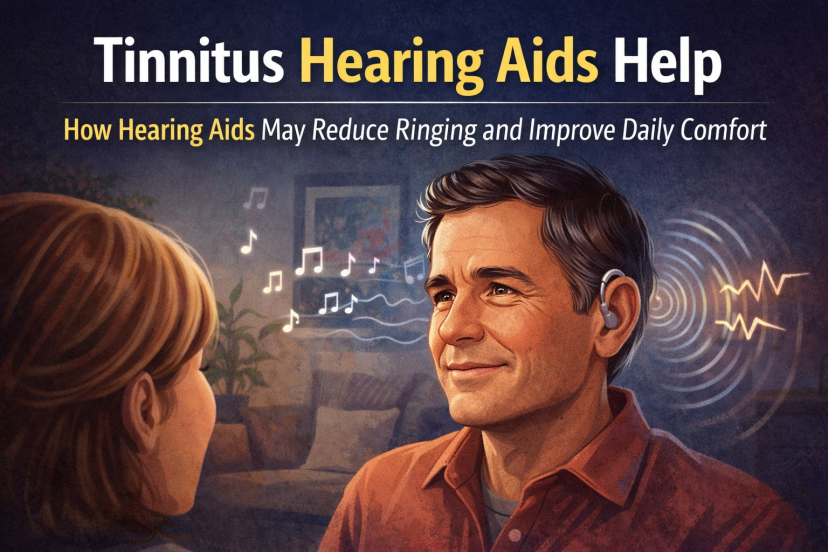
If you live with both hearing loss and ringing in the ears, you may have wondered whether tinnitus hearing aids help reduce the sound.
For many people, they can.
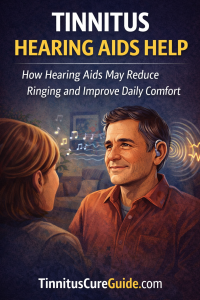
Hearing aids don’t eliminate tinnitus, but they often make the sound less noticeable by restoring natural background sounds that the brain may be missing.
When hearing improves, the brain receives more real sound from the environment. This can reduce the contrast between silence and tinnitus, making the ringing feel softer or less intrusive.
Many people notice that tinnitus fades into the background during daily activities once hearing support is added.
While results vary from person to person, hearing professionals frequently recommend hearing aids as one of the first management tools for people who experience tinnitus alongside hearing loss.
The goal isn’t to “treat” tinnitus directly—it’s to help the brain focus on real sound again.
Quick Answer
• Hearing aids may make tinnitus less noticeable by increasing the natural background sound
• They are most helpful when tinnitus occurs alongside hearing loss
• Improved hearing can reduce the brain’s focus on internal ringing
• Many devices include built-in tinnitus sound therapy features
• An audiologist can help determine whether hearing aids are appropriate
Why Hearing Loss And Tinnitus Often Occur Together
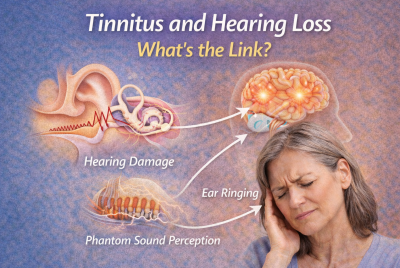
Tinnitus and hearing loss are closely connected.
According to hearing research and organizations such as the American Tinnitus Association, many people who experience tinnitus also have some degree of hearing loss—even if it’s mild.
Here’s a simplified way to understand why.
The auditory system constantly sends sound signals from the ear to the brain. When hearing loss develops, fewer signals reach the brain from certain sound frequencies.
The brain may respond by increasing its internal sensitivity to those missing signals.
Some researchers describe this as the brain “turning up the volume” internally.
This increased neural activity may be perceived as tinnitus.
A useful comparison is when a radio loses signal. Instead of silence, you might hear static.
Similarly, when the auditory system receives less input, the brain may generate its own signal.
This is why improving external sound input—through hearing aids—can sometimes help reduce tinnitus awareness.
How Hearing Aids May Reduce Tinnitus Perception
For individuals with hearing loss, hearing aids can support tinnitus management in several ways.
Increasing External Sound
One of the most important benefits of hearing aids is that they amplify environmental sounds.
These may include:
• Conversations
• Ambient room noise
• Outdoor sounds
• Music or television
When the brain receives more external sound information, tinnitus often becomes less dominant in perception.
Reducing The Contrast Between Silence And Ringing
Tinnitus often feels louder in quiet environments.
By improving hearing, hearing aids create a richer sound environment that may reduce the contrast between silence and tinnitus.
Supporting Brain Habituation
Many hearing specialists explain that hearing aids may help the brain habituate to tinnitus.
Habituation means the brain gradually learns that the sound is not dangerous and stops focusing on it as much.
Over time, some people report that the ringing fades into the background of daily life.
Improving Communication And Reducing Stress
Hearing loss can increase listening effort and social fatigue.
By improving hearing clarity, hearing aids may also reduce the stress that sometimes makes tinnitus feel worse.
When Hearing Aids Are Most Helpful For Tinnitus
Hearing aids tend to provide the greatest benefit in specific situations.
They may be particularly helpful when tinnitus occurs alongside:
Mild To Moderate Hearing Loss
Even small hearing deficits can contribute to tinnitus perception.
A hearing evaluation can determine whether amplification may help.
Difficulty Understanding Speech
If conversations feel muffled or require extra concentration, hearing aids may improve clarity and reduce listening strain.
Tinnitus That Is More Noticeable In Quiet
Many people notice tinnitus most strongly when sitting in silence.
Amplified environmental sound can reduce that effect.
Age-Related Hearing Changes
Age-related hearing loss, also called presbycusis, is one of the most common contributors to tinnitus.
In these cases, hearing aids may support both hearing and tinnitus management.
What Research And Clinical Experience Suggest
Clinical observations and research reviews suggest that hearing aids are frequently beneficial for people experiencing tinnitus with hearing loss.
Organizations such as the Mayo Clinic and the National Institutes of Health (NIH) note that improving hearing input can help reduce tinnitus awareness in many individuals.
Several clinical trends have been observed:
• People often notice reduced tinnitus perception during hearing aid use
• Improved sound environments can decrease tinnitus-related stress
• Some devices include dedicated tinnitus sound programs
However, results are not identical for everyone.
Tinnitus is influenced by multiple factors, including:
• Hearing health
• stress levels
• sleep quality
• neurological sensitivity
Because of this, hearing aids are usually part of a broader tinnitus management approach rather than a standalone solution.
Practical Tips For Choosing Hearing Aids For Tinnitus
If you’re exploring hearing support, several factors can help guide your decision.
Get A Professional Hearing Evaluation
An audiologist can measure hearing levels and determine whether hearing aids are appropriate.
Consider Devices With Tinnitus Sound Programs
Many modern hearing aids include optional sound therapy features such as:
• Soft white noise
• Ocean sounds
• Gentle masking tones
These can be customized to individual preferences.
Focus On Comfort And Consistent Use
Hearing aids work best when worn regularly throughout the day.
Consistent sound input helps the brain adapt more effectively.
Ask About Trial Periods
Many hearing providers offer trial periods that allow you to test devices in daily life.
This helps determine whether they improve both hearing and tinnitus perception.
Adjust Settings Over Time
Hearing needs can change, and fine-tuning device settings may improve comfort and performance.
What Many Articles Miss About Hearing Aids And Tinnitus
A common misconception is that hearing aids “fix” tinnitus.
In reality, their benefit usually comes from improving the overall sound environment rather than eliminating the internal signal.
Many people notice something interesting once they begin wearing hearing aids:
During the day, they often forget about the tinnitus entirely.
This happens because the brain becomes occupied with real-world sounds again.
A real-life example many audiologists hear from patients:
Someone who struggles with ringing while reading or watching TV finds that after getting hearing aids, the ringing becomes far less noticeable during those activities.
This shift in attention can be an important part of long-term tinnitus adaptation.
Understanding this realistic expectation can help people approach hearing aids with the right mindset.
When To Consider Seeing A Healthcare Professional
Although tinnitus is common, certain symptoms should always be evaluated by a healthcare professional.
Seek medical attention if tinnitus occurs with:
• Sudden hearing loss
• A pulsing sound that follows your heartbeat
• Tinnitus in one ear with dizziness
• Symptoms after a head injury
• Rapid worsening of hearing or ringing
An ear specialist or audiologist can help identify potential causes and recommend appropriate evaluation.
Additional Support Options: Some People Explore
Hearing aids are one tool among several that may support tinnitus management.
Other options sometimes discussed with hearing professionals include:
• Sound therapy programs
• Tinnitus counseling or cognitive behavioral therapy
• Relaxation and stress management techniques
• Sleep improvement strategies
These approaches aim to reduce the brain’s focus on tinnitus and improve overall quality of life.
FAQ: Tinnitus Hearing Aids Help
Do hearing aids really help tinnitus?
For many people with hearing loss, hearing aids can make tinnitus less noticeable by increasing external sound and reducing the contrast with internal ringing.
Will hearing aids stop tinnitus completely?
Hearing aids typically do not eliminate tinnitus. Instead, they help the brain focus on environmental sounds, which may reduce tinnitus awareness.
Are special tinnitus hearing aids required?
Some hearing aids include tinnitus sound therapy features, but standard hearing aids that improve hearing clarity can also help.
How long does it take for hearing aids to help with tinnitus?
Some people notice improvement quickly, while others experience gradual changes as the brain adapts to enhanced sound input.
Can tinnitus hearing aids help if hearing is normal?
Hearing aids are usually most effective when tinnitus occurs with measurable hearing loss.
Key Takeaways
• Tinnitus and hearing loss often occur together
• Hearing aids may reduce tinnitus perception by restoring background sound
• Improved hearing can shift the brain’s focus away from internal ringing
• Many devices include optional tinnitus sound therapy programs
• An audiologist can help determine the most appropriate hearing solution
Medical Disclaimer
This article is for educational purposes only and is not intended as medical advice. If you are experiencing tinnitus, hearing loss, or related symptoms, consult a qualified healthcare professional for proper evaluation and guidance.
 Explore more: