Tinnitus And Hearing Loss: What’s The Link?
🌿 When Ringing And Hearing Changes Collide
If you live with tinnitus, you already know how disruptive it can be.
The ringing, buzzing, hissing, or whooshing may follow you all day, feel louder in quiet moments, and make sleep, focus, and relaxation difficult. Many people also notice something else happening at the same time — sounds don’t seem as clear as they used to.
This leads to one of the most common and important questions in ear health:
What is the tinnitus hearing loss link — and does hearing loss actually cause tinnitus?
The short answer is yes, they are closely connected. But the why matters. Understanding how hearing damage leads to phantom sound perception can help you take the right steps toward relief, protection, and better long-term hearing health.
🔊 Tinnitus Hearing Loss Link: The Big Picture
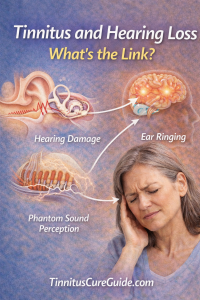
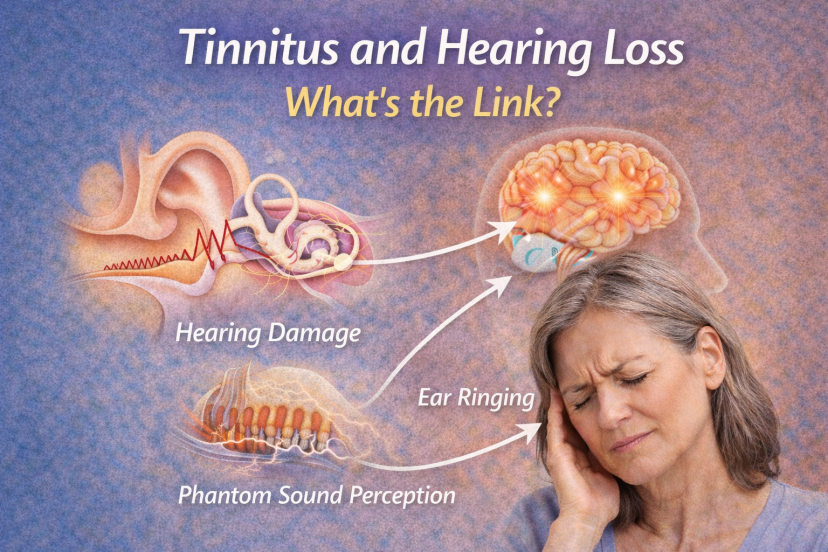
The tinnitus hearing loss link exists because both conditions often stem from the same underlying issue: damage to the inner ear and auditory system.
In simple terms:
-
Hearing loss reduces sound input
-
The brain compensates by amplifying signals
-
That amplification can create tinnitus
This is why tinnitus and hearing loss so often appear together — especially as we age or after years of noise exposure.
👂 How Hearing Normally Works (And What Goes Wrong)
To understand the tinnitus hearing loss link, it helps to know how healthy hearing works.
🔊 Normal Hearing Process
-
Sound waves enter the ear canal
-
The inner ear (cochlea) converts sound into nerve signals
-
Hair cells send signals through the auditory nerve
-
The brain interprets those signals as sound
When this process is smooth, hearing feels effortless.
🔊 Hearing Damage And Tinnitus: What Changes
When inner-ear hair cells are damaged:
-
Fewer sound signals reach the brain
-
Certain frequencies are missing
-
The brain increases sensitivity to compensate
-
Phantom sounds (tinnitus) can appear
This is the core reason hearing damage tinnitus is so common.
🧠 Can Hearing Loss Cause Tinnitus? Yes — Here’s Why
So, can hearing loss cause tinnitus?
In many cases, absolutely.
The brain is designed to expect a constant stream of sound input. When that input drops:
-
Neural circuits become hyperactive
-
The auditory cortex “fills in the gaps.”
-
Ringing or buzzing is perceived
This explains why tinnitus often matches the pitch of hearing loss on hearing tests.
🔊 Types Of Hearing Loss Most Linked To Tinnitus
👂 Noise-Induced Hearing Loss
This is one of the strongest contributors to the tinnitus hearing loss link.
Common causes include:
-
Loud music and concerts
-
Headphones at high volume
-
Machinery or construction noise
-
Firearms or explosions
Noise damage often affects high frequencies first — exactly where tinnitus commonly appears.
👂 Age-Related Hearing Loss (Presbycusis)
As we age:
-
Inner-ear hair cells naturally decline
-
Sound clarity decreases
-
Tinnitus becomes more likely
In the U.S., age-related hearing loss is one of the leading reasons adults experience both tinnitus and hearing impairment.
👂 Sudden Or Medical Hearing Loss
Hearing loss linked to:
-
Ear infections
-
Head trauma
-
Circulation problems
-
Certain medications
May also trigger tinnitus — sometimes suddenly.
🔊 Symptoms That Suggest A Hearing Loss–Tinnitus Connection
You may notice the tinnitus hearing loss link if you experience:
-
Ringing plus difficulty hearing conversations
-
Needing a higher TV or phone volume
-
Trouble understanding speech in noise
-
Tinnitus that gets worse in silence
-
Sounds feel “muffled” or distorted
These signs suggest it’s time for a hearing check.
🌿 Why Tinnitus Feels Louder When Hearing Gets Worse
When hearing loss progresses:
-
External sound input decreases
-
Silence becomes more noticeable
-
Tinnitus stands out more
This is why tinnitus often feels loudest:
-
At night
-
In quiet rooms
-
When stress levels are high
Adding safe background sound can help rebalance the system.
🔊 Treatments That Address Both Hearing Loss And Tinnitus
Managing tinnitus works best when hearing health is addressed at the same time.
🔊 Hearing Aids And Sound Support
For many people, hearing aids help by:

-
Restoring missing sound input
-
Reducing brain overcompensation
-
Making tinnitus less noticeable
Many modern hearing aids in the U.S. include built-in tinnitus sound therapy programs.
🧑 Sound Therapy
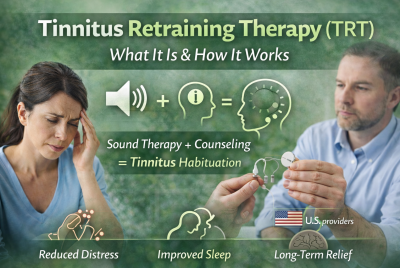
Sound therapy helps reduce the contrast between tinnitus and silence.
Helpful options include:
-
White noise machines
-
Nature sounds
-
Fans or ambient background audio
-
Tinnitus apps are commonly used in the U.S.
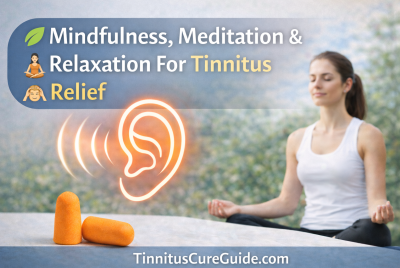
🧘♀️ Stress Reduction And Relaxation
Stress doesn’t cause hearing loss, but it amplifies tinnitus.
Helpful techniques:
-
Deep breathing
-
Progressive muscle relaxation
-
Meditation or mindfulness
-
Gentle exercise
Lower stress often means lower perceived ringing.
💊 Supplements Sometimes Used For Hearing And Tinnitus Support
Supplements are not cures, but some support nerve and ear health.
🌿 Magnesium
-
Supports nerve signaling
-
May help noise-related tinnitus
🧩 Vitamin B12
-
Deficiency linked to tinnitus in some people
-
Blood testing is recommended before supplementing
🌿 Ginkgo Biloba
-
May support circulation to the inner ear
-
Research results vary
Always consult a healthcare provider before use.
📌 Prevention Tips To Protect Hearing And Reduce Tinnitus Risk
Protecting hearing is one of the best ways to reduce tinnitus severity.
🧘♀️ Practice Safe Listening
-
Keep headphone volume below 60%
-
Take listening breaks
-
Use noise-canceling headphones to avoid turning the volume up
👂 Use Hearing Protection
-
Earplugs at concerts or sporting events
-
Protection in loud workplaces
🔊 Support Overall Ear Health
-
Stay hydrated
-
Avoid excessive alcohol
-
Manage blood pressure
-
Prioritize sleep
Small habits make a big difference over time.
⚕️ When To See A Doctor Or Audiologist
Professional evaluation is essential when tinnitus and hearing changes appear together.
See an ENT or audiologist if:
-
Tinnitus lasts more than a few weeks
-
Ringing occurs in one ear only
-
Hearing loss is noticeable
-
Tinnitus follows illness or injury
-
Dizziness or balance issues occur
-
Sleep or mental health is affected
Early assessment helps prevent further damage.
❓ FAQs About Tinnitus And Hearing Loss
What is the tinnitus hearing loss link?
Both often result from inner-ear damage and brain compensation for missing sound input.
Can hearing loss cause tinnitus even if it’s mild?
Yes. Even subtle hearing loss can trigger tinnitus.
Does everyone with hearing loss get tinnitus?
No, but the risk increases significantly.
Can tinnitus exist without hearing loss?
Yes. Brain-based or stress-related tinnitus can occur with normal hearing tests.
Do hearing aids stop tinnitus?
They don’t cure it, but many people experience significant relief.
Is tinnitus from hearing damage permanent?
Not always. Many people see improvement with treatment and management.
Should I get a hearing test if I have tinnitus?
Yes. Hearing tests provide valuable insight into the cause and best treatment options.
🌟 Conclusion: Address Hearing Health To Manage Tinnitus Better
The tinnitus hearing loss link explains why these two conditions so often appear together — and why treating hearing health is a key part of tinnitus relief.
With:
-
Hearing evaluations
-
Sound support
-
Stress management
-
Healthy daily habits
-
Professional guidance
Many people successfully reduce the impact of tinnitus and protect their remaining hearing. While tinnitus can be frustrating, proactive care and consistency can make a meaningful difference in how you hear — and how you feel.
⚠️ Medical Disclaimer
This content is for informational purposes only and does not replace professional medical advice. Always consult a qualified healthcare provider for diagnosis and treatment of tinnitus or hearing-related conditions.
 Explore more: