Teeth Grinding And Tinnitus: How Jaw Clenching Can Trigger Ringing In The Ears
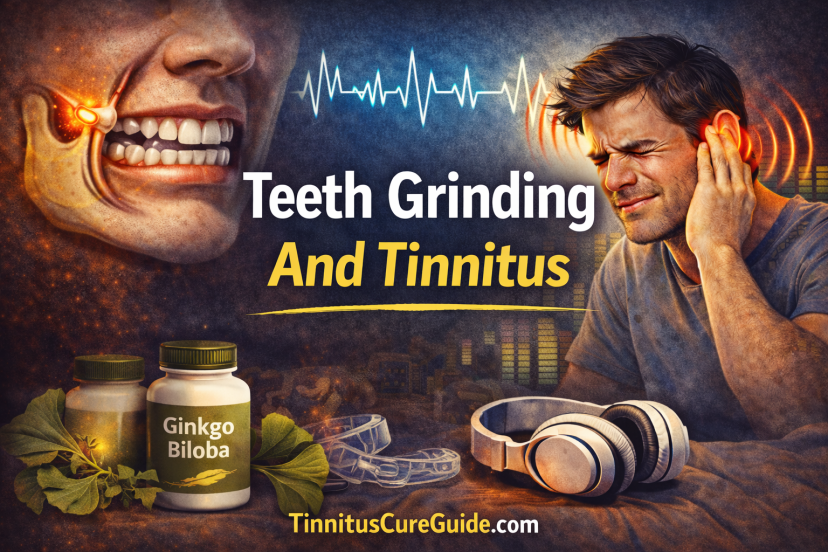
🔥 When Jaw Tension Makes Ringing Harder To Ignore
If you live with tinnitus, you already know how disruptive it can be. The constant ringing, buzzing, humming, or whooshing sounds often interfere with sleep, concentration, and emotional well-being. For many people, tinnitus feels worse in the morning or late at night—exactly when stress and muscle tension peak.
If you also wake up with jaw pain, headaches, or sore teeth, you may be dealing with teeth grinding and tinnitus at the same time.
This connection is more common than most people realize. Teeth grinding—also known as bruxism—can overstimulate nerves, muscles, and joints that directly influence how sound is processed in the brain. The encouraging news is that when jaw tension is addressed, tinnitus often becomes less intense and more manageable.
🔊 What Is Teeth Grinding (Bruxism)?
Teeth grinding, or bruxism, is the involuntary clenching or grinding of teeth. It commonly happens during sleep but can also occur during the day—especially under stress.
Common signs of bruxism
-
Jaw soreness or stiffness
-
Tooth wear or sensitivity
-
Headaches, especially in the morning
-
Neck and shoulder tension
-
Clicking or popping jaw joints
Many people don’t realize they grind their teeth until symptoms—or tinnitus—start to appear.
🧠 Teeth Grinding And Tinnitus: Understanding The Connection
So, how are teeth grinding and tinnitus related?
The jaw joint, known as the temporomandibular joint (TMJ), sits very close to the ear. It shares nerves and muscles with the auditory system.
Key ways jaw clenching affects tinnitus
-
Muscle tension alters nerve signaling near the ear
-
TMJ inflammation affects auditory pathways
-
Clenching increases sensory input to the brain
-
Stress hormones heighten sound awareness
This is why tinnitus often changes when you move your jaw, clench your teeth, or press on facial muscles.
🔔 Symptoms That Suggest Bruxism-Related Tinnitus
Tinnitus linked to teeth grinding often has specific characteristics.
Common signs include
-
Ringing that worsens during stress
-
Tinnitus louder in the morning
-
Jaw pain alongside ear symptoms
-
Clicking or tightness near the ears
-
Headaches with ringing
Some people can even change the pitch or volume of tinnitus by moving their jaw—an important clue that muscle tension is involved.
⚡ Stress: The Hidden Driver Of Teeth Grinding And Tinnitus
Stress is one of the strongest contributors to both bruxism and tinnitus.
Why stress worsens both conditions
-
Activates the fight-or-flight response
-
Increases muscle tension
-
Raises cortisol levels
-
Heightens sensory sensitivity
In the U.S., many adults experience chronic stress from work, screen time, and poor sleep—creating the perfect environment for teeth grinding and tinnitus to reinforce each other.

🧘♀️ How Nighttime Teeth Grinding Affects Sleep And Tinnitus
Sleep bruxism often goes unnoticed but can significantly worsen tinnitus.
Nighttime effects include
-
Micro-awakenings that increase sound awareness
-
Reduced deep sleep stages
-
Morning jaw soreness and louder ringing
Poor sleep lowers your ability to cope with tinnitus, making sounds feel more intrusive the next day.
💆♂️ Jaw, Neck, And Posture: A Critical Triangle
Jaw tension rarely exists alone. It often spreads to the neck and shoulders.
Why posture matters
-
Forward head posture strains jaw muscles
-
Neck tension affects blood flow to the ears
-
Tight shoulders increase overall muscle load
Simple posture adjustments during the day can reduce nighttime clenching and tinnitus intensity.
🌿 Natural Ways To Reduce Teeth Grinding And Tinnitus
Addressing both conditions together produces the best results.
🧘♀️ Relaxation techniques
-
Progressive muscle relaxation before bed
-
Deep breathing with long exhales
-
Guided body scan meditation
💆♂️ Jaw and facial muscle care
-
Gentle jaw stretches
-
Warm compress on jaw muscles
-
Avoid chewing gum or hard foods
Consistency is key—small daily habits make a noticeable difference over time.

🔊 Sound Therapy For Bruxism-Related Tinnitus
Silence can make ringing feel louder and more stressful.
Helpful sound options
-
White noise machines
-
Nature sounds (rain, ocean waves)
-
Low-volume background music at night
-
Sound therapy apps commonly used in the U.S.
Sound enrichment helps calm the nervous system and reduces jaw-clenching triggered by stress.
💊 Supplements That May Support Jaw Relaxation And Ear Health
Some supplements are commonly used to support muscle and nerve function.
Common options
-
Magnesium: supports muscle relaxation and reduces clenching
-
Vitamin B12: supports nerve health
-
Ginkgo biloba: may support inner ear circulation
Always consult a healthcare provider before starting supplements.
🍽️ Lifestyle Changes That Reduce Teeth Grinding
Small adjustments can significantly lower bruxism intensity.
Helpful daily habits
-
Limit caffeine and stimulants
-
Reduce alcohol intake, especially at night
-
Maintain regular sleep schedules
-
Take short stress breaks during the day
Balanced blood sugar and hydration also help reduce nighttime muscle tension.
🌿 Dental Support And Night Guards
Many dentists recommend night guards for sleep bruxism.
How night guards help
-
Reduce tooth damage
-
Limit jaw muscle overactivation
-
Decrease morning jaw pain
While night guards don’t cure tinnitus, they often reduce one major trigger—jaw strain.
🧠 The Emotional Side Of Teeth Grinding And Tinnitus
Living with both conditions can be emotionally draining.
Common emotional effects
-
Anxiety about sleep
-
Frustration from chronic symptoms
-
Fear that tinnitus will worsen
Learning to view tinnitus as a stress-sensitive signal, rather than a threat, helps calm the brain’s response.

🚨 When To See A Doctor Or Specialist
Before assuming teeth grinding is the only cause, seek professional care if you experience:
-
Sudden or one-sided tinnitus
-
Jaw locking or severe pain
-
Hearing loss or dizziness
-
Tinnitus after head or jaw injury
An ENT, audiologist, or dentist familiar with TMJ disorders can help identify contributing factors.
❓ FAQs: Teeth Grinding And Tinnitus
Can teeth grinding directly cause tinnitus?
Teeth grinding doesn’t damage hearing but can trigger tinnitus by overstimulating nearby nerves and muscles.
Why is tinnitus worse in the morning?
Nighttime jaw clenching increases muscle tension, making ringing louder upon waking.
Can fixing jaw issues reduce tinnitus?
Many people report noticeable improvement when jaw tension is addressed consistently.
Are night guards enough to stop tinnitus?
Night guards help protect teeth and reduce clenching, but lifestyle changes are also important.
Does anxiety make teeth grinding worse?
Yes. Anxiety significantly increases bruxism and tinnitus sensitivity.
Can magnesium help with jaw clenching?
Magnesium may support muscle relaxation and reduce nighttime grinding for some people.
How long does it take to see improvement?
Many people notice changes within 2–4 weeks of consistent jaw care and stress reduction.
👂 Conclusion: Relaxing The Jaw Can Quiet The Ears
Teeth grinding and tinnitus often feed off the same root causes—stress, muscle tension, and nervous system overload. The good news is that when jaw tension is reduced, tinnitus often becomes less intense and easier to manage.

Progress doesn’t come from one quick fix, but from steady, supportive habits: better sleep, relaxed muscles, sound therapy, and mindful stress care. Be patient with yourself. Your ears and jaw respond best to calm, consistency, and compassion.
⚠️ Medical Disclaimer
This article is for educational purposes only and does not replace professional medical advice. Always consult a qualified healthcare provider before making changes to treatment, supplements, or dental care related to tinnitus or bruxism.
 Explore more:
- Can Tinnitus Be Cured? Realistic Expectations
- How To Train Your Brain To Stop Tinnitus
- Hearing Aids Vs Masking Devices For Tinnitus