Ringing In The Ear Treatment: What Actually Works And What Doesn’t
🔊 Living With Constant Ear Ringing Can Feel Exhausting
If you hear ringing, buzzing, hissing, or whooshing that others can’t hear, you’re not alone. Millions of Americans deal with tinnitus every day, and the effects go far beyond sound. Sleep disruption, trouble focusing, anxiety, and constant stress are common struggles many people silently carry.
Searching for the right ringing in the ear treatment can feel overwhelming. One website promises a cure, another says nothing works, and friends may suggest remedies that don’t help at all. The truth lies somewhere in between.
This guide breaks down what actually helps reduce ear ringing, what doesn’t work as advertised, and how to choose the right tinnitus treatment options based on the root cause. While tinnitus may not always disappear completely, it can be managed effectively with the right approach.
🔍 What Is Ear Ringing (Tinnitus) And Why It Happens
Tinnitus is not a disease itself. It’s a symptom of something affecting the auditory system, the nervous system, or even blood flow near the ears.
✅ Common tinnitus sounds include:
-
Ringing
-
Buzzing
-
Hissing
-
Clicking
-
Whooshing or pulsing
✅ Common causes of ear ringing:
-
Noise-induced hearing damage
-
Age-related hearing loss
-
Earwax blockage
-
Inner ear nerve irritation
-
Jaw (TMJ) disorders
-
High blood pressure or circulation issues
-
Stress and anxiety
-
Certain medications
Understanding the cause is essential because the best ringing in the ear treatment depends on what’s triggering it.
🔥 Proven Ringing In The Ear Treatment Options That Actually Work
There is no single cure for tinnitus, but several well-researched treatments consistently help many people reduce the severity and distress.
🔊 Sound Therapy And Background Noise
Sound therapy is one of the most widely used and effective tinnitus treatment options.
✅ How it helps:
-
Reduces the contrast between silence and ringing
-
Helps retrain the brain to ignore tinnitus
-
Improves sleep and relaxation
✅ Popular U.S. sound therapy tools:
-
White noise machines
-
Smartphone apps like ReSound Relief and White Noise Lite
-
Fans or soft music at night
-
Specialized tinnitus masking hearing devices
Many people find that sound therapy provides noticeable ear ringing relief within days or weeks.
🧑 Hearing Aids For Noise-Related Tinnitus
For people with hearing loss, hearing aids can be a powerful treatment for ringing in the ear.
✅ Why hearing aids help:
-
Amplify external sounds, reducing focus on ringing
-
Improve communication and reduce mental fatigue
-
Some include built-in tinnitus masking programs
Studies show tinnitus improves in up to 70% of people who use hearing aids correctly.
🧘♀️ Cognitive Behavioral Therapy (CBT)
CBT does not eliminate tinnitus sounds, but it helps reduce the suffering caused by them.
✅ Benefits include:
-
Lower anxiety and stress
-
Improved coping and emotional response
-
Better sleep quality
CBT is recommended by many U.S. audiologists and ENT specialists as a gold-standard tinnitus therapy.
🌿 Natural And Lifestyle-Based Ear Ringing Relief Options
Many people prefer combining medical approaches with natural hearing health solutions.
💊 Supplements That May Help (With Evidence)
While supplements aren’t cures, some may support nerve and ear health.
✅ Common tinnitus supplements:
-
Ginkgo biloba: Supports circulation to the inner ear
-
Magnesium: Helps calm nerve activity and reduce noise sensitivity
-
Vitamin B12: Deficiency is linked with tinnitus in some adults
Always choose third-party tested U.S. brands and consult a doctor before starting supplements.
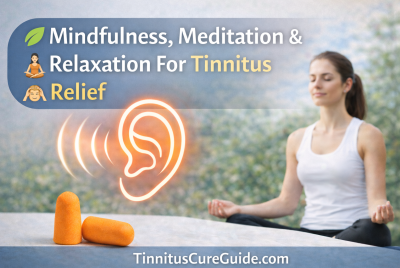
🧘♀️ Stress Reduction And Relaxation Techniques
Stress is a major tinnitus amplifier. Managing it can significantly reduce ear ringing intensity.
✅ Helpful techniques:
-
Deep breathing exercises
-
Progressive muscle relaxation
-
Mindfulness meditation
-
Gentle yoga or stretching
Many people notice their tinnitus becomes louder during stressful periods and quieter when relaxed.
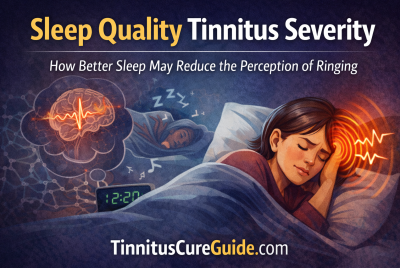
🛌 Sleep Optimization For Tinnitus Relief
Poor sleep worsens tinnitus perception.
✅ Sleep tips that help:
-
Use background noise at night
-
Avoid alcohol or caffeine before bed
-
Stick to a consistent sleep schedule
-
Keep bedrooms dark and cool
Better sleep often leads to better daytime tinnitus tolerance.
🏥 Ringing In The Ear Treatments That Do NOT Work (Or Are Overhyped)
Not every advertised tinnitus solution is effective, despite confident marketing claims.
❌ Treatments to be cautious with:
-
“Instant cure” supplements
-
Ear candles
-
Magnetic devices without clinical support
-
Detox teas claiming fast tinnitus relief
If something promises complete tinnitus elimination in days, it’s likely misleading.
🧠 Choosing The Right Treatment Based On Cause
The best tinnitus treatment options depend on what’s causing the ringing.
✅ Example treatment paths:
-
Noise damage: Sound therapy + hearing aids
-
Stress-related tinnitus: CBT + relaxation techniques
-
Circulatory tinnitus: Medical evaluation + lifestyle changes
-
Medication-related tinnitus: Dosage review with a physician
Personalized care leads to the best outcomes.
🩺 When To See A Doctor Or Audiologist
Before trying long-term ringing in the ear treatment strategies, a medical evaluation is essential in specific cases.
🚨 Seek professional care if:
-
Ringing is only in one ear
-
Tinnitus is sudden or rapidly worsening
-
You experience hearing loss or dizziness
-
Ringing is pulsating or matches your heartbeat
-
Symptoms began after a head injury or illness
An ENT or audiologist can rule out underlying conditions and guide safe treatment.
❓ FAQs About Ringing In The Ear Treatment
1. Can ringing in the ear go away on its own?
Yes. Temporary tinnitus caused by loud noise or stress may fade within hours or days, though chronic cases require management.
2. What is the best ringing in the ear treatment overall?
There is no single best option. Sound therapy, CBT, and hearing aids are among the most effective evidence-based choices.
3. Are tinnitus supplements safe?
Many are safe when used properly, but results vary. Always consult a healthcare provider before starting supplements.
4. Does ear ringing mean permanent hearing loss?
Not always. Many people experience tinnitus without measurable hearing loss, especially when caused by stress or medication.
5. Can anxiety cause ear ringing?
Yes. Anxiety increases nervous system sensitivity, which can trigger or intensify tinnitus symptoms.
6. Should I avoid silence if I have tinnitus?
Yes. Complete silence often worsens tinnitus perception. Soft background noise helps reduce awareness of ringing.
7. Is tinnitus more common as you age?
Yes. Age-related hearing changes increase the prevalence of tinnitus after age 40, particularly with cumulative noise exposure.
💥 Conclusion: Managing Tinnitus Is A Journey, Not A Quick Fix
The most effective ringing in the ear treatment isn’t about eliminating sound overnight. It’s about understanding your triggers, using proven tinnitus treatment options, reducing stress, and caring for your hearing consistently.
Many people find real ear ringing relief by combining sound therapy, lifestyle changes, relaxation techniques, and professional guidance. With patience and the right support, tinnitus can become far less intrusive over time.
⚠️ Medical Disclaimer
This content is for informational purposes only and does not replace professional medical advice. Always consult a qualified healthcare provider for diagnosis and treatment of tinnitus or hearing conditions.
 Explore more:
- How to Prevent Tinnitus Naturally
- Can Tinnitus Cause Headaches and Dizziness?
- Headache-Related Tinnitus