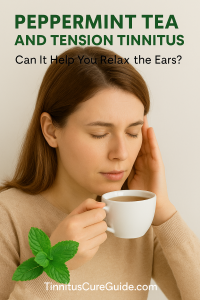
Peppermint Tea and Tension Tinnitus: Can It Help You Relax the Ears?
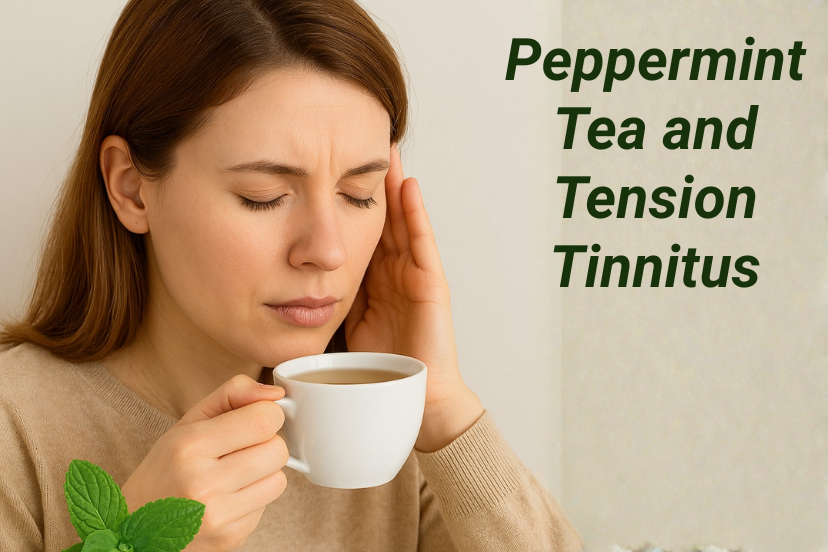
Peppermint tea and tension Tinnitus — Relaxing and may ease tension-related discomfort.
🌿 Can Peppermint Tea Really Help With Tension-Related Tinnitus?
Tinnitus affects millions worldwide, causing ringing, buzzing, hissing, or clicking sounds that often worsen during stress, jaw tension, neck stiffness, or sinus pressure. While tinnitus has many potential causes, one commonly overlooked type is tension tinnitus — tinnitus triggered or intensified by muscle tension around the jaw, neck, head, or ears.
This type of tinnitus often feels like:
-
A tightness around the ears
-
Ringing that worsens with jaw movement
-
Clicking or buzzing during stress
-
Ringing paired with headaches
-
Ringing is connected to neck stiffness
Because peppermint is known for its cooling, relaxing, and muscle-soothing effects, many people wonder:
Can peppermint tea help relax tension and calm tinnitus symptoms?
In this comprehensive guide, we’ll explore:

-
How peppermint impacts muscles, nerves, and ear tension
-
Why tension causes tinnitus spikes
-
Whether peppermint tea may support relief
-
How to use peppermint tea effectively
-
Tips for tension-based tinnitus
-
Seven helpful FAQs
-
A medical disclaimer
Let’s explore the connection between Peppermint Tea and Tension Tinnitus and whether this cooling herbal tea can help soothe the ringing.
🌱 What Is Tension Tinnitus?
Tension tinnitus occurs when muscle tightness affects the ears or auditory pathways. This type is often related to:
-
Jaw tension or TMJ dysfunction
-
Neck stiffness
-
Bruxism (clenching or grinding teeth)
-
Shoulder and upper-back tightness
-
Stress and anxiety
-
Poor posture or computer neck
-
Sinus pressure
When muscles around the ears and neck tighten, they can:
-
Irritate nearby nerves
-
Restrict blood flow
-
Apply pressure near the eustachian tubes
-
Affect jaw alignment
-
Increase the brain’s perception of tinnitus
This is why many sufferers feel their tinnitus gets louder during stressful moments or long hours at the computer.
Peppermint tea may help relieve this type of tinnitus by targeting muscle tension, sinus pressure, and relaxation.
🍃 Why Peppermint Tea May Help With Tension Tinnitus
Peppermint (Mentha × piperita) contains menthol — a cooling compound known for relaxing smooth muscles, easing headaches, improving airflow, and reducing stress. These effects may indirectly benefit people with tension-related tinnitus.
Below are the most important mechanisms.
⭐ 1. Peppermint Helps Relax Muscles in the Jaw and Neck
Menthol has natural muscle-relaxing effects. This may help reduce:
-
Jaw tension
-
Neck stiffness
-
Facial muscle tightness
-
Ear-adjacent muscle contraction
-
Stress-related clenching
When these muscles relax, the auditory system experiences less pressure and irritation, leading to fewer tension-induced tinnitus spikes.
This makes peppermint tea especially helpful for:
-
TMJ-related tinnitus
-
Stress-related tinnitus
-
Neck tension tinnitus
-
Posture-related tinnitus
⭐ 2. Peppermint Tea Can Reduce Stress and Calm the Nervous System
Stress is one of the biggest triggers of tension tinnitus.
Peppermint tea may help:
-
Support mental relaxation
-
Reduce muscle guarding caused by stress
-
Lower nervous system overactivation
-
Improve emotional response to tinnitus
When the body relaxes, tinnitus often becomes less intrusive.
⭐ 3. Helps Clear Sinus Pressure and Improve Eustachian Tube Function
Sinus pressure can contribute to:
-
A feeling of fullness in the ears
-
Ear popping
-
Ringing triggered by congestion
-
Temporary hearing changes
Peppermint’s natural vapors and oils may help by:
-
Opening nasal passages
-
Reducing sinus swelling
-
Improving drainage
-
Reducing eustachian tube irritation
People with allergy-related tinnitus often find peppermint helpful.
⭐ 4. Supports Better Breathing and Relaxation
Peppermint’s cooling aroma supports calm, deep breathing — which is a key part of stress and tension release.
Deep breathing helps:
-
Relax neck and jaw muscles
-
Improve oxygen flow
-
Reduce stress-related tinnitus spikes
-
Lower heart rate
Many people find sipping hot peppermint tea deeply soothing.
⭐ 5. Offers Anti-Inflammatory and Mild Analgesic Effects
Peppermint’s natural compounds can help reduce inflammation in:
-
TMJ (temporomandibular joint)
-
Neck muscles
-
Sinuses
-
Throat
-
Ears
Reducing inflammation may also reduce irritation around nerves involved in auditory perception.
🔬 What Research Says About Peppermint and Relaxation
Peppermint tea is widely studied for its effects on:
-
Relaxation
-
Pain relief
-
Muscle tension
-
Headaches
-
Sinus health
-
Digestive discomfort
-
Stress reduction
While not directly proven to cure tinnitus, peppermint’s effects on muscles, sinuses, and stress systems give it meaningful potential as part of a tension-tinnitus strategy.
🍵 How to Use Peppermint Tea for Tension Tinnitus Relief
✔ Best Times to Drink Peppermint Tea
Peppermint tea is caffeine-free and can be enjoyed:
-
In the morning, for tension relief
-
Midday during work stress
-
Before or after stressful activities
-
After meals (ease digestion + relaxation)
-
In the evening, to unwind
-
Before bed due to its calming aroma
✔ How Much Peppermint Tea to Drink Daily
Most people do well with:
-
1–3 cups per day
Because it’s caffeine-free, drinking peppermint tea at night is usually not a problem.
✔ How to Brew Peppermint Tea Properly
-
Use 1 tea bag or 1–2 teaspoons dried peppermint
-
Steep for 5–10 minutes
-
Cover the cup to hold in menthol vapors
-
Add lemon or honey if desired
Fresh peppermint leaves can be used for even stronger aromatic benefits.
✔ Natural Add-ins for Tinnitus Support
The following add-ins pair well with peppermint tea:
-
Honey – Soothes throat and relaxes body
-
Lemon balm – Extra calming effect
-
Ginger – Anti-inflammatory boost
-
Lavender – Stress reduction
-
Chamomile – Extra relaxation
🧘♀️ How Peppermint Tea Fits Into a Tension-Tinnitus Routine
Peppermint tea works best when combined with lifestyle habits that address the root of tension tinnitus: stress, posture, and muscle tightness.
✔ Stress Management
-
Deep breathing
-
Meditation
-
Progressive muscle relaxation
-
Warm baths
-
Evening wind-down routine
⭐ Muscle and Jaw Relaxation
-
Jaw relaxation exercises
-
Foam roller for upper back
-
Avoiding gum chewing
-
Avoiding jaw clenching
✔ Posture Support
-
Keep your head over your shoulders
-
Adjust computer height
-
Avoid long stretches of looking down
-
Frequent breaks during desk work
⭐ Sinus Health
-
Hydration
-
Warm compress
-
Humidifier
-
Steam inhalation
✔ Sound Masking
-
White noise
-
Rain or ocean audio
-
Pink or brown noise
-
Soft background sounds
These practices help reduce tinnitus spikes and promote calmer ear perception.
❗ Who Should Use Caution With Peppermint Tea?
Peppermint tea is safe for most people but may not be suitable for everyone.
Avoid or limit if you:
-
Have acid reflux (peppermint may relax the lower esophageal sphincter)
-
Have a hiatal hernia
-
Take certain stomach medications (PPIs, antacids)
-
Have severe allergies to mint
-
Are you pregnant (consult a doctor first)
Mild reactions such as heartburn or stomach upset can occur in sensitive individuals.
📌 FAQs About Peppermint Tea and Tension Tinnitus
1. Can peppermint tea cure tinnitus?
No, peppermint tea cannot cure tinnitus. But it may help reduce tension-based triggers and support relaxation.
2. How long does peppermint tea take to help?
Most people feel relaxation benefits within 15–30 minutes, especially for tension-related discomfort.
3. Does peppermint help sinus-related tinnitus?
Yes. Peppermint may open nasal passages, reduce swelling, and support clearer breathing, which can help reduce sinus-pressure tinnitus.
4. Can peppermint relax the jaw for TMJ tinnitus?
Peppermint has mild muscle-relaxing effects that may help reduce jaw tension, a major trigger for TMJ-related tinnitus.
5. Does peppermint have caffeine?
No, peppermint tea is naturally caffeine-free and safe to drink in the evening.
6. Is peppermint oil better than peppermint tea for tinnitus?
Peppermint oil is stronger but should never be applied inside the ear. Aromatherapy or diluted topical use may support relaxation, but tea is gentler and safer for daily use.
7. Can peppermint tea worsen tinnitus?
This is rare. However, if peppermint triggers reflux or stomach discomfort, physical stress may indirectly worsen tinnitus. If so, reduce or discontinue use.
🏁 Conclusion: Can Peppermint Tea Help Reduce Tension-Related Tinnitus?
Peppermint tea may not cure tinnitus, but it offers real benefits for people whose tinnitus is triggered by tension, stress, neck stiffness, jaw clenching, or sinus pressure. With its muscle-relaxing, cooling, and stress-relief properties, peppermint tea can be a gentle and enjoyable part of a holistic tinnitus-management routine.
By supporting relaxation, reducing muscle tightness, and encouraging better sinus and nerve function, Peppermint Tea and Tension Tinnitus is a natural combination worth exploring for many sufferers.
Used alongside stretching exercises, good posture, stress reduction, and sound therapy, peppermint tea can help create a calmer auditory environment and ease the intensity of ringing.
⚠️ Medical Disclaimer
This article is for informational purposes only and does not constitute medical advice, diagnosis, or treatment. Peppermint tea cannot cure tinnitus. Always consult a healthcare provider or audiologist before making changes to your tinnitus management routine, especially if you have acid reflux, take medications, or have chronic health conditions.
 Explore more: