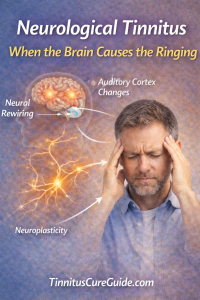
Neurological Tinnitus: When the Brain Causes the Ringing
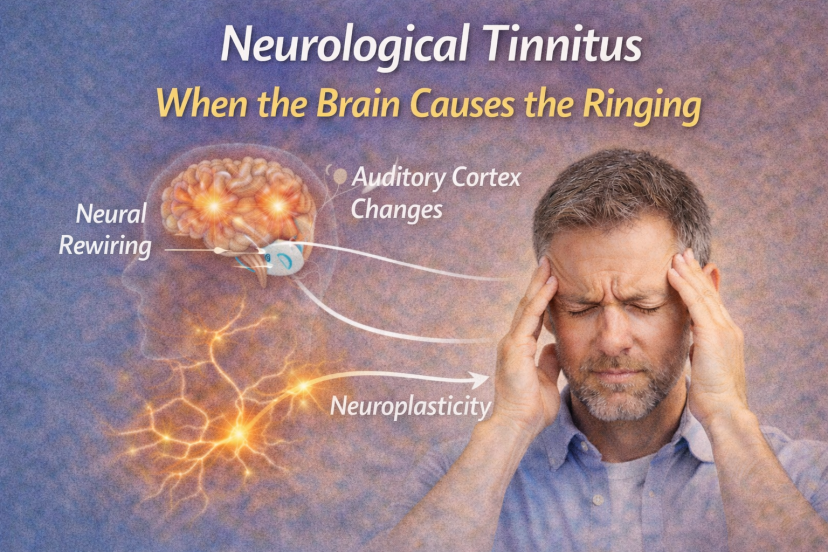
🧠 When The Noise Comes From The Brain
If you live with tinnitus, you know how draining it can be.
The ringing, buzzing, hissing, or whooshing may follow you through the day, get louder at night, and make sleep, focus, and relaxation difficult. Many people assume tinnitus is always an ear problem — but that’s not always true.
In many cases, tinnitus is driven by the brain itself.
This form is known as neurological tinnitus, and understanding it can be a turning point. When you learn how the brain adapts, rewires, and amplifies sound signals, tinnitus starts to make more sense — and becomes more manageable.
🔊 Neurological Tinnitus Explained In Simple Terms
Neurological tinnitus (sometimes called central tinnitus) occurs when the brain continues to generate sound signals, even when the ears are no longer sending normal input.
Instead of tinnitus starting in the ear alone, the issue lies in:
-
The auditory nerve
-
The auditory cortex
-
Brain networks involved in attention, emotion, and memory
In other words, the brain has learned the sound and keeps replaying it.
🧠 How Brain Tinnitus Develops Over Time
To understand why neurological tinnitus happens, it helps to know how the brain handles sound.
🔊 Normal Sound Processing
-
The ears capture sound
-
Signals travel through the auditory nerve
-
The auditory cortex interprets the meaning of sound
-
The brain filters out unimportant noise
When this system works well, you don’t notice background sounds.
🔊 What Changes In Neurological Tinnitus
When hearing input is reduced or disrupted:
-
The brain receives less sound information
-
Neural circuits become hyperactive
-
The brain increases “gain” (volume sensitivity)
-
Phantom sound is created
This explains brain tinnitus even when hearing tests appear normal.
🧠 Auditory Cortex Changes And Neuroplasticity
🔊 What Is Neuroplasticity?
Neuroplasticity is the brain’s ability to change, adapt, and rewire itself. It’s how we learn — and also how tinnitus becomes persistent.
In neurological tinnitus:
-
Sound-deprived neurons seek stimulation
-
Neighboring brain areas take over unused space
-
Tinnitus frequency becomes “locked in.”
This is why tinnitus can continue even after the original ear issue resolves.
🧠 Central Tinnitus And Brain Mapping
Brain imaging studies show:
-
Increased activity in the auditory cortex
-
Changes in attention and emotional centers
-
Strong links between tinnitus and stress response
These auditory cortex changes explain why tinnitus feels louder during anxiety or fatigue.
🔊 Symptoms Of Neurological Tinnitus
Neurological tinnitus often has distinct patterns.
🔊 Common Characteristics
-
Persistent or constant ringing
-
Loudest in quiet environments
-
Changes with stress or focus
-
Often bilateral (both ears)
-
Continues even without ear damage
Because the brain is involved, emotional reactions play a major role.
🌿 Why Neurological Tinnitus Feels So Distressing
Tinnitus isn’t just sound — it’s how the brain reacts to the sound.

🧠 The Attention Loop
-
The brain flags tinnitus as a threat
-
Attention locks onto the sound
-
Emotional centers amplify distress
-
The sound feels louder
This feedback loop keeps tinnitus front and center.
Breaking this loop is a key treatment goal.
🔊 Treatments That Target Brain Tinnitus
While neurological tinnitus doesn’t have a single cure, many brain-focused strategies reduce symptoms significantly.
🔊 Sound Therapy And Brain Retraining
Sound therapy helps the brain reclassify tinnitus as unimportant.
Helpful tools include:
-
White noise machines
-
Nature soundscapes
-
Low-level background sound
-
Sound therapy apps are used widely in the U.S.
By reducing silence, the brain stops over-amplifying tinnitus.
🧘♀️ Cognitive Behavioral Therapy (CBT)
CBT addresses the emotional and cognitive response to tinnitus.
Benefits include:
-
Reduced anxiety and panic
-
Improved sleep
-
Less emotional distress
-
Decreased tinnitus awareness
CBT is one of the most researched treatments for central tinnitus.
🧠 Mindfulness And Neuroplastic Reset
Mindfulness trains the brain to:

-
Observe tinnitus without reacting
-
Reduce threat perception
-
Shift attention naturally
Over time, this supports healthy neuroplastic changes.
💊 Supplements That May Support Brain And Nerve Health
Supplements don’t cure neurological tinnitus, but some may support neural stability.
🌿 Magnesium
-
Supports nerve signaling
-
May reduce neural excitability
⭐ Vitamin B12
-
Important for nerve health
-
Deficiency linked to tinnitus in some people
🌿 Ginkgo Biloba
-
May support circulation to the auditory pathways
-
Mixed research results
Always consult a healthcare provider before supplementing.
🔊 Lifestyle Strategies That Calm The Nervous System
Daily habits influence how the brain processes tinnitus.
🛌 Sleep Optimization
-
Maintain consistent sleep times
-
Use sound masking at night
-
Avoid screens before bed
🧘♀️ Stress Reduction
-
Gentle exercise
-
Deep breathing
-
Yoga or stretching
Lower stress often equals lower tinnitus perception.
🥗 Diet And Stimulation Awareness
-
Limit excess caffeine
-
Reduce alcohol
-
Stay hydrated
-
Avoid sudden noise exposure
Small adjustments support long-term brain health.
🔊 Prevention Tips For Neurological Tinnitus
While not all cases are preventable, you can reduce risk.
✅ Protect Hearing Input
-
Use hearing protection at loud events
-
Keep headphone volume moderate
-
Take listening breaks
✅ Support Brain Health
-
Regular physical activity
-
Balanced nutrition
-
Mental relaxation routines
Healthy brains adapt more smoothly.
🚨 When To See A Doctor Or Audiologist
Medical evaluation is important for neurological tinnitus.
Seek professional care if:
-
Tinnitus begins suddenly
-
Symptoms worsen rapidly
-
One-sided ringing appears
-
Neurological symptoms occur
-
Sleep or mental health suffers
ENTs and audiologists can rule out underlying conditions and recommend appropriate care.
❓ FAQs About Neurological Tinnitus
What is neurological tinnitus?
It’s tinnitus driven by brain and neural changes rather than ear damage alone.
Is neurological tinnitus permanent?
Not always. Many people experience significant improvement with brain-based therapies.
Can the brain unlearn tinnitus?
Yes. Neuroplasticity allows the brain to rewire and reduce tinnitus prominence.
Why is tinnitus louder when I focus on it?
Attention amplifies brain signals, increasing perceived volume.
Does hearing loss always cause brain tinnitus?
No. Brain tinnitus can occur even with normal hearing tests.
Can stress cause neurological tinnitus?
Stress doesn’t cause it directly, but it worsens brain sensitivity.
Are apps effective for brain tinnitus?
Yes. Sound therapy and CBT-based apps help many users.
🌟 Conclusion: The Brain Can Learn Calm Again
Neurological tinnitus can feel overwhelming — but it’s also one of the most adaptable forms. Because the brain is involved, it can also change.
With:
-
Sound therapy
-
Brain retraining
-
Stress management
-
Healthy daily habits
-
Professional guidance
Many people experience meaningful relief. The goal isn’t to fight the sound, but to teach the brain that it’s safe to ignore it. With patience and consistency, calm can return.
⚠️ Medical Disclaimer
This content is for informational purposes only and does not replace professional medical advice. Always consult a qualified healthcare provider for diagnosis and treatment of tinnitus or neurological conditions.
 Explore more:
- Can High Sodium Cause Tinnitus?
- Can an ENT Doctor Help With Tinnitus?
- Zinc and Tinnitus: Is There a Real Connection?