Is Tinnitus Connected to Migraines? Understanding the Surprising Link
🌩️ Why Do Migraines and Tinnitus Often Show Up Together?
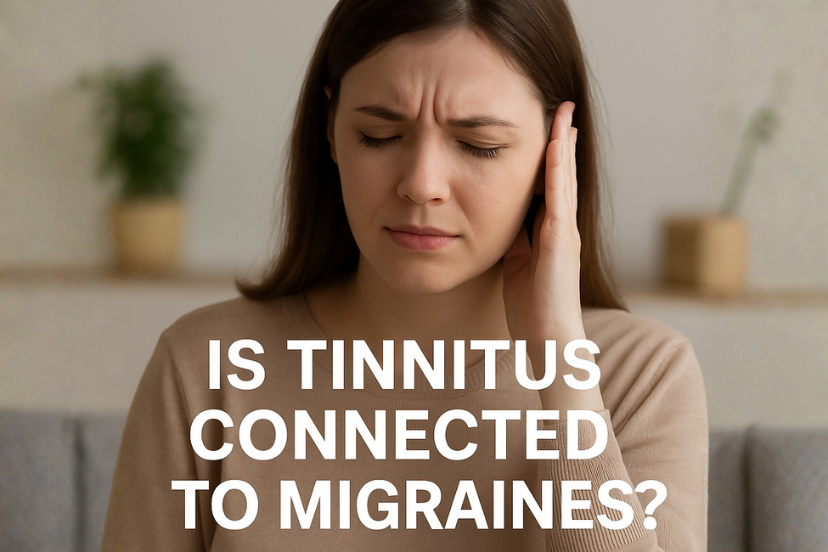
If you live with migraines, you’re probably familiar with intense headaches, light sensitivity, nausea, and sensory overload. But many migraine sufferers also report another symptom: tinnitus — the persistent ringing, buzzing, or humming in the ears.
This raises an important question:
Is tinnitus connected to migraines, and why do these two symptoms occur together so often?
While tinnitus has many causes (hearing loss, noise exposure, TMJ issues, stress, neck tension), migraines can strongly influence ear perception through changes in:
-
Blood flow
-
Nerve activity
-
Sensory processing
-
Inflammation
-
Stress
-
Muscle tension
In this detailed guide, you’ll learn:
-
How migraines can trigger or worsen tinnitus
-
The nervous system and vascular mechanisms behind the connection
-
Whether migraines cause permanent tinnitus
-
Signs your tinnitus is migraine-related
-
What you can do for relief
-
When to see a professional
-
Seven helpful FAQs
-
A medical disclaimer
Let’s break down the surprising link between migraines and tinnitus — and what it means for managing both conditions.

🧠 How the Brain Connects Migraines and Tinnitus
Migraines are not just “bad headaches.” They are neurological events involving:
-
Sensory hypersensitivity
-
Changes in blood vessel function
-
Electrical disturbances in the brain
-
Inflammation of nerve pathways
These same systems influence tinnitus.
Here are the major mechanisms linking the two.
⭐ 1. Migraines Change Blood Flow to the Ears and Auditory Pathways
During a migraine, blood vessels in the head can:
-
Constrict
-
Dilate
-
Become overly sensitive
-
Cause pressure changes
Rapid changes in blood flow may trigger:
-
Ringing
-
Pulsing sounds
-
Whooshing
-
Low-frequency humming
This is especially common in people with pulsatile tinnitus or vascular tinnitus.
⭐ 2. Sensory Processing Becomes Heightened During Migraines
Migraines make the brain hypersensitive to:
-
Light
-
Smells
-
Touch
-
Noise
-
Internal bodily sensations
This sensory hypersensitivity often includes heightened awareness of tinnitus.
Tinnitus may seem:
-
Louder
-
Sharper
-
Higher-pitched
-
More intrusive
…even if the underlying sound hasn’t changed.
⭐ 3. Migraine Affects the Trigeminal and Auditory Nerves
Two major nerve systems are involved:
✔ The Trigeminal Nerve
Controls face, jaw, and head sensation. When irritated during a migraine, it can influence ear pressure and tinnitus.

✔ The Auditory Nerve
Transmits sound signals from the ear to the brain. Migraine inflammation can temporarily disrupt its normal function.
When these nerves become active or swollen, tinnitus often spikes.
⭐ 4. Migraine Causes Muscle Tension — a Major Tinnitus Trigger
Migraines often cause tightness in the:
-
Neck
-
Shoulders
-
Jaw
-
Scalp
This tension can irritate nerves around the ears, triggering:
-
Ear fullness
-
Ringing
-
Clicking
-
Pressure changes
This is a common form of somatic tinnitus.
⭐ 5. Migraines Can Affect the Inner Ear (Cochlea and Vestibular System)
Some people experience vestibular migraines, which affect balance and ear function.
Symptoms may include:
-
Tinnitus
-
Dizziness
-
Ear pressure
-
Sound sensitivity
During these episodes, tinnitus can become intense.
⭐ 6. Migraines Increase Stress Hormones That Amplify Tinnitus
Migraines spike levels of:
-
Cortisol
-
Adrenaline
-
Inflammatory chemicals
These changes heighten auditory sensitivity and trigger tinnitus flare-ups.
🔍 Do Migraines Cause Permanent Tinnitus?
For most people, migraine-related tinnitus is temporary.
Tinnitus often eases when:
-
The migraine resolves
-
Tension decreases
-
Inflammation calms
-
Sleep improves
However, chronic tinnitus can develop if migraines are:
-
Frequent
-
Severe
-
Combined with hearing loss
-
Paired with ongoing neck/jaw tension
-
Paired with chronic stress
Managing migraine frequency is essential for long-term tinnitus control.
📌 Signs Your Tinnitus Is Connected to Migraines
You likely have migraine-related tinnitus if you notice:
✔ Tinnitus worsens before, during, or after a migraine
✔ Ringing is accompanied by head pressure or throbbing
⭐ You get tinnitus spikes during stress or hormonal changes
✔ Bright lights, screens, or loud sounds worsen both symptoms
⭐ You feel neck or jaw tension during migraines
✔ Tinnitus changes with head, neck, or jaw movement
⭐ Tinnitus spikes during migraine aura
If several of these apply, your tinnitus is likely neurologically or musculoskeletally linked to migraines.
💆 How to Reduce Migraine-Related Tinnitus
Below are the most effective strategies.
✔ 1. Manage Migraine Triggers
Common triggers include:
-
Bright light
-
Stress
-
Sleep disruptions
-
Dehydration
-
Certain foods
-
Weather changes
-
Hormonal shifts
-
Screen overuse
Tracking triggers helps reduce flare-ups.
✔ 2. Reduce Muscle Tension in the Neck and Shoulders
Tension worsens both migraines and tinnitus.
Helpful strategies:
-
Heat therapy
-
Neck stretching
-
Shoulder rolls
-
Posture correction
-
TMJ relaxation techniques
-
Massage
✔ 3. Support Healthy Blood Flow
Migraine-related constriction worsens tinnitus.
Try:
-
Warm compress on the neck
-
Hydration
-
Gentle movement
-
Magnesium supplements (if approved)
-
Anti-inflammatory herbs
-
Stress reduction
✔ 4. Use Sound Therapy
Sound masking calms the auditory system:
-
White noise
-
Ocean waves
-
Rain sounds
-
Brown noise
-
Gentle background audio
This helps retrain the brain’s response to tinnitus.
✔ 5. Improve Sleep Quality
Sleep is one of the strongest migraine/tinnitus protectors.
Support sleep with:
-
Evening wind-down routine
-
Dim lights
-
No screens before bed
-
Relaxation teas (chamomile, lemon balm)
-
Sound masking
✔ 6. Reduce Stress — The Common Trigger for Both
Helpful calming practices:
-
Meditation
-
Yoga
-
Slow walking
-
Gentle stretching
-
Cognitive behavioral strategies
When stress decreases, both symptoms tend to improve.
✔ 7. Address Hormonal Triggers
Hormonal fluctuations affect migraines and tinnitus, especially in:
-
Women
-
People with thyroid issues
-
People with an adrenal imbalance
Medical guidance may be helpful here.
🧘♀️ Daily Routine for Migraine-Tinnitus Management
Morning
-
Hydration
-
Neck stretching
-
Bright light exposure
-
Avoid skipping breakfast
Afternoon
-
Posture check
-
Stress break
-
Light movement
Evening
-
Warm shower
-
Relaxation tea
-
Limit heavy screens
-
Gentle stretching
Bedtime
-
Consistent sleep schedule
-
Sound machine
-
Low lighting
This routine reduces both migraine frequency and tinnitus intensity.
❗ When to See a Doctor
Seek medical advice if you experience:
-
Sudden severe tinnitus
-
Tinnitus with one-sided hearing loss
-
Pulsatile whooshing that matches your heartbeat
-
Severe migraines affect daily life
-
Vertigo or imbalance
-
Jaw locking or severe TMJ pain
Professionals who help:
-
Neurologists
-
Audiologists
-
ENT specialists
-
TMJ dentists
-
Physical therapists
-
Chiropractors experienced with the cervical spine
📌 FAQs About Is Tinnitus Connected to Migraines
1. Can migraines really cause tinnitus?
Yes. Migraines affect nerves, blood flow, muscles, and sensory processing — all of which can trigger tinnitus.
2. Does the tinnitus go away after the migraine ends?
Often yes. Migraine-related tinnitus is usually temporary.
3. Can migraines permanently damage hearing?
Rarely. But chronic migraines can influence auditory nerve sensitivity long-term.
4. Why is tinnitus louder during a migraine?
Because the brain becomes hypersensitive, blood vessels change, and nerves become inflamed.
5. Can migraine medications help tinnitus?
Sometimes, reducing the frequency or severity of migraines can trigger ringing.
6. Are migraines and TMJ-linked tinnitus connected?
Yes. Migraines often cause clenching and jaw tension, which is a major tinnitus trigger.
7. Does everyone with migraines get tinnitus?
No, but it is significantly more common among migraine sufferers than in the general population.
🏁 Conclusion: The Migraine–Tinnitus Connection Is Real
Migraines and tinnitus share many overlapping pathways, including:
-
Nerve sensitivity
-
Blood flow changes
-
Inflammation
-
Sensory overload
-
Muscular tension
-
Stress-related triggers
If you’ve noticed ringing in your ears during or after migraines, you’re not imagining it — the link is well-supported and surprisingly common.
The good news?
Migraine-related tinnitus is highly responsive to:
-
Stress reduction
-
Muscle relaxation
-
Trigger management
-
Sleep optimization
-
Proper hydration
-
Gentle sound therapy
By understanding the connection, you can take steps to calm both your migraines and your tinnitus.
⚠️ Medical Disclaimer
This article is for informational purposes only and is not medical advice. Migraines and tinnitus are medical conditions that require proper evaluation by a licensed professional. Always consult your doctor, neurologist, or audiologist before beginning any treatment plan.
 Explore more:
- Does Deep Breathing Help Tinnitus?
- Teeth Grinding And Tinnitus
- Is Tinnitus Psychological Or Physical? The Real Answer