Is Tinnitus A Disability? What It Means, How It’s Evaluated, And When Support May Be Available

Explore is tinnitus a disability and how it may affect work, daily function, and quality of life. Learn how severity, documentation, and regional laws influence disability recognition — plus practical ways to manage symptoms and protect long-term hearing wellness.
As someone deeply involved in hearing health education, one of the most common questions people ask is whether tinnitus is considered a disability. The answer is not always simple, because tinnitus exists on a wide spectrum — from mild background noise to severe, life-disrupting sound perception.
To understand disability classification, we first need to understand what tinnitus is, how it affects real daily life, and how medical and legal systems typically evaluate it.
Quick Answer
Tinnitus can be considered a disability if it is severe enough to significantly interfere with daily functioning, work ability, or mental health. Whether it qualifies depends on medical documentation, functional impact, and disability laws in your region. Many people have tinnitus without it being classified as a disability.
Understanding Tinnitus: Is It A Disability?
Tinnitus is the perception of sound without an external source. People may hear ringing, buzzing, humming, or clicking sounds that can be constant or intermittent.
Tinnitus itself is a symptom, not a disease. It often reflects changes in the auditory system or how the brain processes sound signals.

Introduction To Tinnitus
Tinnitus can result from:
• Loud noise exposure
• Age-related hearing loss
• Earwax blockage
• Ear infections or injuries
• Circulatory or metabolic conditions
• Medication side effects
• Stress or nervous system overstimulation
For some people, tinnitus is mild. For others, it can affect sleep, focus, emotional health, and job performance.
Definition Of Tinnitus
Tinnitus occurs when the brain interprets nerve signals as sound even when no external sound exists. The sound may vary in:
• Pitch
• Volume
• Frequency
• Consistency
In many cases, tinnitus is manageable. In more severe cases, it can affect quality of life and functional ability.
Common Causes Of Tinnitus
Common contributors include:
• Noise-induced hearing damage
• Age-related auditory decline
• Earwax buildup
• Inner ear disorders
• Cardiovascular conditions
• Certain medications
• Stress and nervous system sensitivity
The Impact Of Tinnitus On Daily Life
Tinnitus can influence multiple body systems — not just hearing.
Psychological Effects
Many people experience emotional responses such as:
• Anxiety
• Frustration
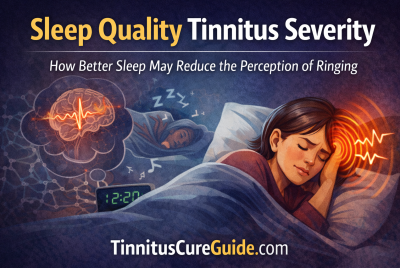
• Sleep disruption
• Reduced concentration
• Mood changes
These reactions can increase tinnitus awareness, creating a feedback loop between stress and sound perception.
Physical Implications
Physical effects may include:
• Fatigue from poor sleep
• Reduced productivity
• Communication challenges
• Sensory overload in noisy environments
What This Often Feels Like In Real Life
Real Life Scenario
Imagine trying to fall asleep while hearing a constant high-pitched tone.
Or sitting in a quiet office where the ringing becomes louder than background noise.
Or struggling to follow conversations in meetings because internal noise competes with speech.
For mild tinnitus, this may be occasional.
For severe tinnitus, this can happen daily.
Tinnitus And Disability
Legal Classification
Some disability systems recognize tinnitus if it:
• Prevents reliable work performance
• Causes severe sleep disruption
• Requires ongoing medical treatment
• Creates measurable functional impairment
Recognition varies widely by country and insurance system.
Qualification Criteria
Most disability evaluations consider:
• Severity and consistency of symptoms
• Documented hearing or neurological findings
• Impact on job performance
• Treatment history
• Functional testing results
Medical documentation is usually essential.
Self-Assessment Checklist: Could This Be Functionally Disabling?
You may want to seek evaluation if you experience:
• Constant tinnitus most days
• Severe sleep disruption from tinnitus
• Difficulty focusing at work or school
• Increased anxiety or mood changes related to tinnitus
• Trouble hearing speech even in moderate noise
• Symptoms lasting longer than 3–6 months
This checklist is not diagnostic — it helps guide next steps.
Nervous System And Whole-Body Context
Tinnitus is not just an ear condition. It involves the brain and nervous system.
When hearing input changes, the brain may increase “signal gain,” similar to turning up a volume dial. Stress hormones can further amplify perception.
Body systems involved include:
• Auditory cortex (sound processing)
• Limbic system (emotion and threat detection)
• Autonomic nervous system (stress response)
This explains why relaxation, sleep quality, and stress reduction often influence tinnitus perception.
Typical Recovery Pattern (Recovery Timeline)
Every case is different, but many people follow patterns like:
Early Stage (Weeks To Months)
• Brain adjusting to new sound signals
• Symptoms may feel louder at first
• Stress can strongly influence perception
Adaptation Stage (3–12 Months)
• The brain may begin filtering tinnitus
• Coping improves
• Emotional response often decreases
Long-Term Stabilization
• Many people report tinnitus becoming background noise
• Flare-ups may happen during stress or illness
Some people need medical or therapy support to reach adaptation.
Comparison: Mild vs Moderate vs Severe Tinnitus Impact
| Level | Typical Experience | Work Impact | Medical Need |
|---|---|---|---|
| Mild | Noticeable In Silence | Usually Minimal | Monitoring |
| Moderate | Noticeable Daily | May Affect Focus | Evaluation Helpful |
| Severe | Constant And Intrusive | May Limit Work | Ongoing Medical Care |
Expectation Vs Reality
Expectation
“Tinnitus always gets worse.”
Reality
Many people experience stabilization or improved coping over time.
Expectation
“If I have tinnitus, I will lose hearing.”
Reality
Tinnitus often occurs with hearing loss, but not always.
Expectation
“There is nothing that helps.”
Reality
Many management strategies improve quality of life, even if they do not eliminate tinnitus.
Decision Support: What To Do Next
When Monitoring At Home Is Reasonable
• Symptoms are mild
• No sudden hearing loss
• No neurological symptoms
• No severe distress
When Medical Evaluation Is Important
• Sudden tinnitus onset
• Tinnitus in only one ear
• Pulsing or heartbeat-like tinnitus
• Hearing loss or dizziness
• Severe sleep or mental health disruption
Managing And Treating Tinnitus
Management focuses on reducing impact, not curing the condition.
Lifestyle Adjustments
Helpful habits include:
• Protecting ears from loud sounds
• Managing stress levels
• Maintaining a consistent sleep schedule
• Eating balanced nutrition
• Limiting caffeine and nicotine
Medical Interventions
Possible support tools include:
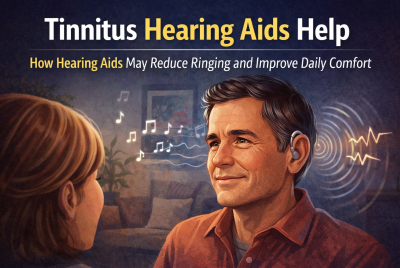
• Hearing aids
• Sound therapy
• Cognitive behavioral therapy
• Sleep support strategies
• Treatment of underlying conditions
Helpful Suggestions For Living With Tinnitus
Daily coping strategies may include:
• Using background sound at night
• Practicing relaxation breathing
• Staying socially engaged
• Tracking triggers
• Working with hearing professionals
Developing Coping Mechanisms
Support systems matter. Many people benefit from:
• Support groups
• Hearing therapy coaching
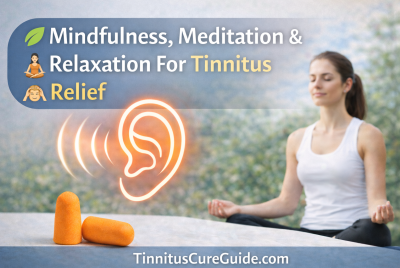
• Mindfulness training
• Structured stress management
FAQs About Is Tinnitus A Disability
Can Tinnitus Qualify For Disability Benefits?
Yes, if severe enough to limit functional ability. Documentation and regional criteria matter.
Is There A Cure For Tinnitus?
There is currently no universal cure. Many people successfully manage symptoms.
How Common Is Tinnitus?
About 15–20% of adults experience tinnitus at some point.
Can Lifestyle Changes Help?
Lifestyle adjustments often help reduce perception intensity and distress.
Is Tinnitus Always Linked To Hearing Loss?
Often, but not always. Evaluation helps determine the cause.
Can Tinnitus Improve Over Time?
Yes. Many people experience reduced awareness as the brain adapts.
Does Stress Make Tinnitus Worse?
Stress can increase nervous system sensitivity, making tinnitus more noticeable.
Conclusion: Is Tinnitus A Disability?
Tinnitus can be considered a disability when it significantly interferes with daily life, sleep, mental health, or work performance. However, many people live with tinnitus without meeting disability thresholds.
Understanding symptom severity, getting proper medical evaluation, and using evidence-based management strategies can greatly improve long-term quality of life. With the right support and expectations, many people successfully adapt and maintain full, active lifestyles.
Disclaimer
This article is for informational purposes only and does not substitute professional medical advice. Always consult a licensed healthcare provider before beginning new treatments, supplements, or exercise programs for tinnitus or related conditions.
 Explore more: