Is Hibiscus Tea Good for Tinnitus: Does It Help or Make Ringing Worse?
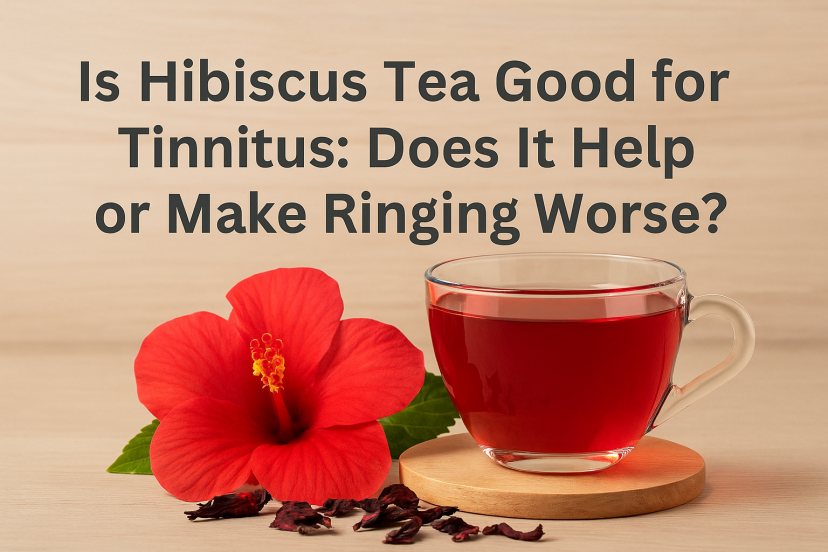
🌺 Can Hibiscus Tea Affect Tinnitus?
Tinnitus — the constant ringing, buzzing, humming, or hissing sound in the ears — affects millions of U.S. adults. While there is no cure, people often try natural remedies hoping to reduce the severity of tinnitus or prevent flare-ups. Among herbal options, hibiscus tea is gaining attention because of its bright flavor, antioxidant benefits, and heart-healthy reputation.
But here’s the big question:
Is hibiscus tea good for tinnitus… or can it actually make ringing worse?
Unlike calming herbs such as chamomile, passionflower, or lemon balm, hibiscus has more complex effects on circulation, blood pressure, and the nervous system. Some people swear it helps them relax, while others say it triggers headaches or spikes that appear connected to tinnitus symptoms.
This comprehensive guide breaks everything down so you can understand:
-
Whether hibiscus tea helps or worsens tinnitus
-
How blood pressure affects ringing
-
The benefits and risks of drinking hibiscus tea
-
How hibiscus interacts with stress, nerves, and circulation
-
Whether this tart herbal tea belongs in your tinnitus-friendly routine
-
How much to drink, best times, and who should avoid it
-
FAQs and a medical disclaimer
Let’s explore the real science behind Is Hibiscus Tea Good for Tinnitus so you can make an informed, safe decision.
🌺 What Is Hibiscus Tea?
Hibiscus tea is made from the dried calyx of the Hibiscus sabdariffa flower. It’s natural:
-
Caffeine-free
-
Rich in vitamin C
-
High in antioxidants
-
Tart and fruity
-
Liked hot or iced
Its vibrant red color comes from anthocyanins, the same antioxidants found in berries.
Hibiscus tea is well-studied for:
-
Lowering blood pressure
-
Supporting heart health
-
Reducing inflammation
-
Helping with relaxation
-
Providing antioxidant protection
But tinnitus sufferers must understand one crucial detail:
Hibiscus tea affects blood pressure, and blood pressure affects tinnitus.
🔊 How Blood Pressure Affects Tinnitus
Blood pressure and tinnitus are deeply connected.

When blood pressure is too high, tinnitus may feel:
-
Louder
-
Pulsatile (heartbeat-like)
-
Throbbing
-
More intense
When blood pressure suddenly drops, tinnitus may:
-
Spike temporarily
-
Feel brighter or “electric”
-
Trigger dizziness
Because hibiscus tea lowers blood pressure, its effects may help some people, but worsen symptoms for others.
This is why reactions to hibiscus tea vary so widely among tinnitus sufferers.
🍵 Is Hibiscus Tea Good for Tinnitus? The Honest Answer
Hibiscus tea can be helpful for some people, neutral for others, and irritating or worsening for a subset depending on:
-
Personal blood pressure range
-
Sensitivity to sour or acidic foods
-
Caffeine sensitivity (even though hibiscus is caffeine-free)
-
Medication interactions
-
Underlying tinnitus cause
-
Body chemistry
Let’s break down the potential benefits and potential risks so you can see both sides clearly.
🌿 Potential Benefits of Hibiscus Tea for Tinnitus
⭐ 1. May Support Healthy Blood Pressure (Helpful for Vascular Tinnitus)
Studies consistently show that hibiscus tea can help lower blood pressure naturally.
If your tinnitus is linked to:

-
Hypertension
-
Pulsatile tinnitus
-
Blood vessel stiffness
-
Poor circulation
… Hibiscus may help calm the “whooshing,” “throbbing,” or rhythmic tinnitus associated with elevated blood pressure.
This is one of its strongest potential benefits.
⭐ 2. Provides Powerful Antioxidants That Support Ear and Nerve Health
Hibiscus contains strong antioxidants, including:
-
Anthocyanins
-
Quercetin
-
Vitamin C
These antioxidants may:
-
Reduce oxidative stress in ear cells
-
Support nerve health
-
Reduce inflammation
-
Help protect against age-related hearing decline
While not a cure, these effects may support long-term ear wellness.
⭐ 3. Helps with Relaxation and Stress Reduction
Many people find hibiscus tea calming because it:
-
Has no caffeine
-
Helps settle the nervous system
-
Reduces muscle tension
-
Lowers stress hormones
Since stress heightens tinnitus perception, hibiscus may indirectly help.
⭐ 4. Supports Heart Health and Circulation
Good circulation is essential for auditory function.
Hibiscus may support:
-
Better blood flow
-
Lower LDL cholesterol
-
Heart function
-
Reduced vascular inflammation
Improved circulation may ease tinnitus triggered by vascular tension or poor oxygen flow.

⚠️ Possible Downsides: Can Hibiscus Tea Make Tinnitus Worse?
This is where things get nuanced.
🚫 1. Sudden Blood Pressure Drops May Trigger Tinnitus Spikes
If your blood pressure is already low or normal, hibiscus tea may cause a drop that triggers:
-
Lightheadedness
-
Temporary ringing flare
-
Head pressure
People prone to low blood pressure must use caution.
🚫 2. Hibiscus Is Very Acidic (May Irritate Some People)
Acidic foods sometimes worsen tinnitus in people sensitive to:
-
Histamines
-
Salicylic acid
-
Acid reflux
Hibiscus is naturally tart and acidic, which may irritate some individuals.
🚫 3. Possible Interaction with Medications
Hibiscus may interact with medications for:
-
Blood pressure
-
Diabetes
-
Diuretics
-
Antidepressants
-
Anti-inflammatory drugs
Medication interactions can indirectly affect tinnitus.
🚫 4. May Worsen Headaches in Sensitive Individuals
Some tinnitus sufferers also experience:
-
Migraines
-
Tension headaches
-
Sinus pressure
For a small percentage, hibiscus tea may trigger headaches, which can amplify tinnitus symptoms.
🍵 How to Drink Hibiscus Tea Safely for Tinnitus
✔ Start Slowly
Begin with ½ cup or 1 weak cup to assess your reaction.

✔ Best Times to Drink Hibiscus Tea
-
Early afternoon
-
During stress
-
When blood pressure is elevated
-
With food if acidity bothers you
Avoid drinking hibiscus tea right before bed if it causes acid reflux or nighttime tinnitus spikes.
✔ Ideal Daily Amount
For most people:
-
1 cup per day is gentle
-
2 cups if blood pressure is high
-
Avoid 3+ cups unless approved by a doctor
✔ How to Brew Hibiscus Tea Properly
-
1 teaspoon dried hibiscus
-
Hot water, not boiling
-
Steep 5–7 minutes
-
Sweeten lightly with honey if desired
✔ Add-Ins That May Support Tinnitus Relief
-
Honey (soothing)
-
Chamomile (extra calming)
-
Ginger (anti-inflammatory)
-
Lemon balm (anti-anxiety)
-
Mint (tension relief)
🧘♀️ How Hibiscus Tea Fits Into a Tinnitus-Friendly Lifestyle
Hibiscus tea works best when combined with supportive tinnitus habits:
✔ Stress Reduction
-
Breathing exercises
-
Meditation
-
Gentle stretching
-
Journaling
✔ Muscle & Jaw Relaxation
-
Neck stretches
-
TMJ relaxation
-
Shoulder roll exercises
⭐ Better Sleep Hygiene
-
Background sound at night
-
Avoid screens before bed
-
Consistent sleep schedule
✔ Anti-Inflammatory Nutrition
-
Hydration
-
Whole foods
-
Omega-3-rich meals
⭐ Sound Therapy
-
White noise
-
Ocean sounds
-
Brown noise
These habits reduce the cycle of anxiety and reactivity around tinnitus.
❗ Who Should Avoid or Limit Hibiscus Tea?
Avoid hibiscus tea if you:
-
Have low blood pressure
-
Are pregnant (hibiscus may stimulate the uterus)
-
Take blood pressure medications
-
Take diuretics
-
Have acid reflux
-
Are allergic to hibiscus (rare but possible)
-
Take diabetes medications
-
Have a history of fainting or dizziness
If unsure, consult a doctor.
📌 FAQs About Hibiscus Tea and Tinnitus
1. Can hibiscus tea cure tinnitus?
No, hibiscus tea cannot cure tinnitus. It may help or worsen symptoms depending on individual blood pressure and sensitivity.
2. Does hibiscus tea lower blood pressure too much?
Some people experience sudden drops. If your blood pressure is normal or low, use caution.
3. Can hibiscus tea help pulsatile tinnitus?
If pulsatile tinnitus is linked to high blood pressure, hibiscus may help.
If it is caused by structural or vascular abnormalities, it will not help.
4. Does hibiscus tea increase tinnitus for some people?
Yes. Some individuals experience spikes because of:
-
Sudden BP drops
-
Acid sensitivity
-
Headache triggers
5. Is hibiscus tea safe to drink daily?
1–2 cups daily is safe for most people. Check with a doctor if you take medications.
6. Is iced hibiscus tea okay for tinnitus?
Yes, but avoid highly sweetened versions that spike blood sugar.
7. What’s a safer tea alternative for tinnitus anxiety?
Better options include:
-
Lemon balm
-
Chamomile
-
Passionflower
-
Oolong
-
Peppermint
🏁 Conclusion: Is Hibiscus Tea Good or Bad for Tinnitus?
Hibiscus tea is not a one-size-fits-all remedy for tinnitus.
Whether it helps or worsens symptoms depends heavily on your:
-
Blood pressure
-
Sensitivity to acidity
-
Nervous system
-
Medication use
-
Tinnitus type
Hibiscus may help if:
-
You have high blood pressure
-
Your tinnitus is pulsatile
-
You need an antioxidant boost
-
You want a caffeine-free stress-relief drink
It may worsen tinnitus if:
-
You have low blood pressure
-
You react strongly to acidic foods
-
You take certain medications
-
You experience headaches from tart teas
Ultimately, hibiscus tea can be part of a tinnitus-friendly lifestyle — but must be introduced carefully.
⚠️ Medical Disclaimer
This article is for informational purposes only and is not medical advice. Hibiscus tea cannot cure tinnitus, and its effects vary widely. Always consult a healthcare provider before using hibiscus if you take medications, have blood pressure issues, or have underlying health conditions.
 Explore more: