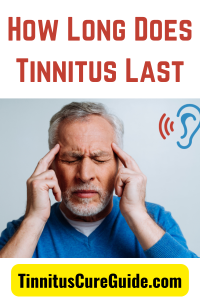
How Long Does Tinnitus Last? Causes, Timelines, And What To Do Next

If you’re hearing ringing, buzzing, hissing, or a strange tone that no one else can hear, one of the first questions that comes up is simple: how long does tinnitus last? For some people, tinnitus fades within hours or days. For others, it can linger for weeks — or become a long-term condition that needs ongoing management.
The good news is that tinnitus duration often follows recognizable patterns based on the cause. Knowing what pattern fits your situation can help you choose the right next step and avoid unnecessary panic.
Quick Answer
Tinnitus can last anywhere from a few minutes to months or longer, depending on the cause. Temporary tinnitus from loud noise, congestion, or a short-term trigger often improves within days to a few weeks. If tinnitus lasts longer than a few weeks, is getting worse, is one-sided, or comes with hearing loss or dizziness, a medical evaluation is recommended.
Understanding Tinnitus And Why Duration Varies
Tinnitus is the perception of sound without an external source. It may sound like:
• Ringing
• Buzzing
• Hissing
• Humming
• Clicking
• Whooshing
The duration varies because tinnitus is not one single condition. It can be driven by changes in:
• The inner ear and hearing cells
• The auditory nerve and brain sound processing
• The jaw, neck, or muscle tension
• Circulation and blood pressure
• Stress response and sleep quality
What This Often Feels Like In Real Life
Many people notice tinnitus for the first time in situations like:
• After a concert, club, or loud event
• During a cold, sinus infection, or ear pressure episode
• After starting a new medication
• During a stressful period with poor sleep
• Gradually, over time,e as hearing changes
Common reactions include worrying it will be permanent, checking the sound repeatedly, and losing sleep. That “checking” often makes tinnitus feel louder because attention increases perception.
Self Assessment: Which Tinnitus Duration Pattern Fits You?
Use this checklist to classify your situation.
Tinnitus may be temporary if
• It started after loud noise exposure
• You have congestion or ear pressure
• It improves during the day with background sound
• The loudness is slowly trending down
• You notice longer quiet breaks over time
Tinnitus may be longer-lasting if
• It has lasted more than a few weeks
• You have ongoing hearing loss
• You have frequent flare-ups with stress and poor sleep
• It started gradually and is becoming more consistent
• It interferes with sleep and concentration regularly
Tinnitus needs urgent medical evaluation if
• Sudden hearing loss occurs
• Severe dizziness or vertigo occurs
• Tinnitus is only in one ear and is persistent
• The sound pulses with your heartbeat
• You have a severe headache, fainting, or neurological symptoms
How Long Does Tinnitus Last? Typical Timelines By Cause
Below are common duration patterns. These are general ranges, not guarantees.
Temporary tinnitus after loud noise
• Often lasts: Hours to a few days
• Sometimes lasts: Up to 1–2 weeks
• More likely to persist if: Repeated exposures happen before recovery
Tinnitus from congestion, colds, or sinus pressure
• Often lasts: A few days to a few weeks
• More likely to linger if: Fluid, Eustachian tube dysfunction, or inflammation persists
Earwax buildup related to tinnitus
• Often improves: After wax is safely removed
• Duration depends on: How long the blockage was present

Medication-related tinnitus
• Often improves: After dose changes or stopping the trigger medication under medical guidance
• Duration varies based on: Medication type and sensitivity
Chronic tinnitus linked to hearing loss
• Often lasts: Months to years
• Management focus: Lowering distress, improving sleep, masking, and hearing support
Stress-amplified tinnitus
• Often fluctuates: With stress and sleep quality
• Duration depends on: Stress load and nervous system regulation habits
Typical Recovery Pattern: What Improvement Often Looks Like
Improvement is not always “it disappears.” Often it looks like:
• The sound becomes less loud or less sharp
• You notice longer quiet windows
• Nighttime spikes reduce
• You stop reacting emotionally to the sound
• You think about it less often
Many people improve most when they stop monitoring tinnitus constantly and start focusing on sleep, sound support, and stress reduction.
Why The Brain Can Make Tinnitus Feel Longer Than It Is
Tinnitus involves both sound perception and attention. When the nervous system is stressed:
• The brain stays in high alert mode
• Internal sensations feel more intense
• Sleep becomes lighter, making tinnitus feel louder
• Fear and frustration strengthen tinnitus awareness
This is why tinnitus can feel “stuck” during anxious weeks, even if the ear itself is recovering.
Comparison: Temporary Vs Chronic Tinnitus
| Feature | Temporary tinnitus | Chronic tinnitus |
|---|---|---|
| Common trigger | Loud noise, congestion, short-term factor | Hearing loss, repeated noise exposure, long-term condition |
| Typical duration | Hours to weeks | Months or longer |
| Loudness pattern | Often gradually improves | Often stable or fluctuating |
| Best focus | Protection, recovery, sleep | Management strategies, coping, hearing support |
Decision Support: What To Do Based On How Long It Has Lasted
If tinnitus has lasted less than 48 hours
• Avoid loud noise
• Prioritize sleep
• Use a gentle background sound at night
• Reduce caffeine and nicotine if they trigger spikes
• Stay hydrated

If tinnitus has lasted 3–14 days
• Continue sound support
• Avoid loud environments and headphones
• Monitor for improvement trend
• Consider a hearing evaluation if it was a loud-noise-related
If tinnitus has lasted 2–6 weeks
• Consider an audiologist or ENT evaluation
• Check for earwax, infection, pressure issues, or hearing change
• Begin structured management habits
• Focus on sleep consistency
If tinnitus has lasted longer than 6 months
• Consider hearing aids if hearing loss exists
• Consider CBT or tinnitus counseling for distress reduction
• Use long-term sound therapy routines
• Focus on nervous system regulation and lifestyle support
Treatment And Management Options That Often Help
Sound Support
• White noise machines
• Fans or nature sounds
• Sound therapy apps
• Low volume background audio during quiet tasks
Sound support reduces contrast between silence and tinnitus.
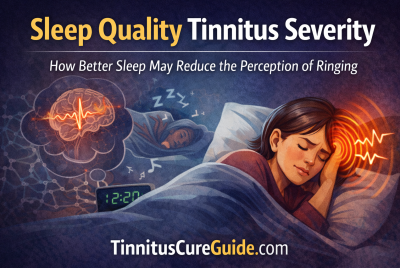
Sleep Focus
• Same sleep and wake time
• Cool dark bedroom
• Reduced screens before bed
• Sound masking at night
Better sleep often reduces tinnitus distress first.
Stress Regulation
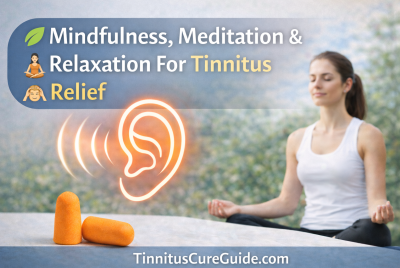
• Deep breathing
• Meditation
• Gentle yoga or walking
• Progressive muscle relaxation
Stress does not always create tinnitus, but it often increases awareness.
Hearing Health Support
• Hearing tests
• Hearing aids if needed
• Hearing protection in loud environments
• Avoid repeated loud noise exposure
Expectation Vs Reality
Expectation
If tinnitus lasts more than a week, it must be permanent.
Reality
Many cases improve over weeks, especially when the trigger is temporary. Even when tinnitus becomes chronic, many people reach a point where it becomes background noise and stops controlling daily life.
FAQs About How Long Does Tinnitus Last
How long does tinnitus last after a concert?
Many cases improve within a day or two. If it lasts more than a week or is paired with a hearing change, a hearing evaluation is recommended.
Can tinnitus go away on its own?
Yes, especially when caused by temporary triggers like loud noise exposure, congestion, or certain medications.
What are the signs that tinnitus is going away?
• Decreasing loudness
• Less frequent spikes
• Longer quiet periods
• Better sleep
• Less emotional reaction
Can stress make tinnitus last longer?
Stress can increase awareness and make tinnitus feel more persistent, especially through sleep disruption and nervous system activation.
When should I see a doctor about tinnitus duration?
If tinnitus lasts more than a few weeks, is one-sided, is pulsatile, or includes hearing loss, dizziness, or severe distress.
Conclusion: How Long Does Tinnitus Last
So, how long does tinnitus last? It depends on the cause. Some tinnitus fades quickly after short-term triggers, while other cases become chronic and require ongoing management. The most helpful next step is identifying which pattern fits your symptoms, protecting your ears, improving sleep, and seeking evaluation when red flags are present.
Even when tinnitus persists, many people improve their quality of life significantly through sound support, stress regulation, and hearing health strategies.
Disclaimer
This article is for informational purposes only and does not substitute professional medical advice. Always consult a licensed healthcare provider before starting new treatments, supplements, or therapy for tinnitus. Seek immediate medical attention for sudden hearing loss, severe dizziness, or other urgent symptoms.
 Explore more: