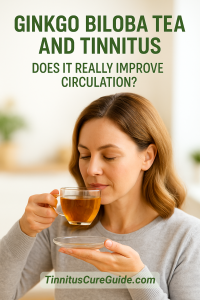
Ginkgo Biloba Tea and Tinnitus: Does It Really Improve Circulation?
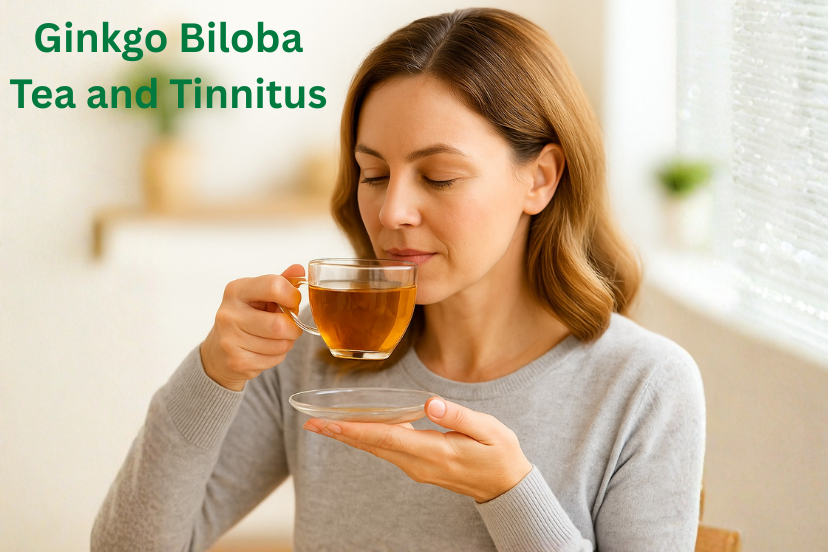
Ginkgo biloba tea and Tinnitus — Sometimes used for circulation, evidence is mixed but commonly discussed.
🍃 Can Ginkgo Biloba Tea Truly Help With Tinnitus?
Tinnitus — the persistent ringing, buzzing, humming, or whooshing in the ears — affects nearly 25 million adults in the United States. While treatments vary greatly, one natural remedy that continues to generate interest is Ginkgo biloba, a herb traditionally used to improve circulation, memory, and cognitive health.
But does drinking Ginkgo biloba tea help tinnitus?
While the research is mixed, many people turn to Ginkgo because tinnitus is often linked to poor blood flow, nerve irritation, oxidative stress, and age-related auditory changes. Ginkgo’s potential circulation-boosting and antioxidant properties make it a promising herbal option to explore.
In this complete guide, you’ll learn:
-
How Ginkgo biloba tea affects the ears and brain
-
What current research says about Ginkgo and tinnitus
-
Why circulation matters for hearing health
-
How tea compares to Ginkgo supplements
-
How to drink Ginkgo biloba tea safely
-
Seven helpful FAQs
-
A medical disclaimer
Let’s explore whether Ginkgo Biloba Tea and Tinnitus is a worthwhile combination for your ear health routine.

🌿 What Is Ginkgo Biloba Tea?
Ginkgo biloba is one of the oldest living tree species on Earth—over 200 million years old. The leaves of the ginkgo tree are used to create teas, extracts, and capsules believed to support:
-
Circulation
-
Cognitive function
-
Memory
-
Nerve health
-
Antioxidant protection
Ginkgo tea is made by steeping dried ginkgo leaves in hot water, producing a mild, earthy beverage.
Ginkgo contains beneficial compounds, including:
-
Terpenoids (ginkgolides, bilobalide)
-
Flavonoids (antioxidants)
-
Circulation-enhancing plant compounds
These contribute to its potential role in ear and nerve health.
🔊 Why Circulation Matters for Tinnitus
One of the biggest reasons people explore Ginkgo for tinnitus is its impact on blood flow.
Healthy circulation supplies the inner ear with oxygen and nutrients. When circulation is reduced—due to age, inflammation, or vascular issues—tinnitus can worsen.
Poor circulation may lead to:
-
Reduced oxygen in the auditory structures
-
Slower nerve signal transmission
-
Increased oxidative stress
-
Heightened perception of tinnitus
This is why vascular or “pulsatile” tinnitus is often tied to blood flow problems.
Ginkgo biloba is widely known for its vasodilating properties, meaning it may help blood vessels relax and widen—supporting healthier circulation to the brain and potentially the ears.
🌱 How Ginkgo Biloba Tea May Help With Tinnitus
While Ginkgo won’t cure tinnitus, it may help reduce symptoms for some people through several indirect mechanisms.
⭐ 1. May Improve Blood Flow to the Ears
Ginkgo’s biggest potential benefit is its circulation-enhancing effect.
Studies show Ginkgo:
-
Helps relax blood vessels
-
Improves microcirculation
-
Supports blood flow to the brain
-
May assist oxygen delivery to the auditory nerve
This is especially relevant for:
-
Age-related tinnitus
-
Circulation-related tinnitus
-
Tinnitus paired with brain fog or memory issues
⭐ 2. Provides Antioxidant Protection for Ear Cells
Oxidative stress can damage inner ear hair cells—the tiny, fragile structures that detect sound.
Ginkgo is rich in flavonoids that may:
-
Protect nerve cells
-
Reduce inflammation
-
Help slow age-related auditory decline
-
Support healthier neural activity
While it cannot repair damaged cells, it may help prevent further decline.
⭐ 3. Supports Cognitive Processing and Sound Filtering
The brain plays a major role in tinnitus. When cognitive processing slows or the brain struggles to filter out sensory signals, tinnitus can feel louder.
Ginkgo is traditionally used to support:
-
Memory
-
Mental clarity
-
Cognitive speed
-
Processing efficiency
This may help the brain become less reactive to tinnitus noise.
⭐ 4. Reduces Stress and Improves Mood
Stress makes tinnitus worse—and tinnitus increases stress. It becomes a loop.
Ginkgo biloba may help by:
-
Supporting relaxation pathways
-
Reducing tension
-
Calming the nervous system
-
Helping regulate stress hormones
This may reduce tinnitus flare-ups linked to emotional stress.
⭐ 5. Supports Nerve Health
Tinnitus often involves the auditory nerve’s communication with the brain. Ginkgo’s neuroprotective compounds may help support:
-
Nerve function
-
Neurotransmitter balance
-
Brain-to-ear signaling
Better nerve health may mean less tinnitus irritation.
🔬 What Does Research Say About Ginkgo and Tinnitus?
The research is mixed, and this is important for a realistic understanding.
✔ Some studies show improvement
Several small studies suggest Ginkgo biloba extract may help reduce tinnitus annoyance or loudness, especially when caused by poor circulation.
✔ Some studies show limited improvement
Other trials show only mild or no improvement, especially in cases where tinnitus is caused by:
-
Noise damage
-
Ear infections
-
Genetic factors
-
Structural abnormalities
✔ Results are best when tinnitus has a vascular or stress component
This includes:
-
Age-related hearing issues
-
Dizziness paired with tinnitus
-
Pulsatile or circulation-linked ringing
-
Poor blood flow to the brain
✔ Tea vs. extract
Tea is gentler and less concentrated. Supplements have more research behind them (details in the comparison section below).
Overall, Ginkgo may help some tinnitus sufferers — but not everyone. Individual results vary greatly.
🍵 How to Use Ginkgo Biloba Tea for Tinnitus Relief
✔ Best Times to Drink It
-
Morning
-
Early afternoon
-
During stress
-
Before cognitive work
Avoid drinking Ginkgo tea too late in the day, as it may slightly increase alertness.
✔ How Much to Drink
Most people benefit from:
-
1–2 cups per day
-
Consistency matters more than quantity
✔ How to Brew Ginkgo Tea
-
1 teaspoon dried Ginkgo leaves (or 1 tea bag)
-
Water temperature: 180–200°F (82–93°C)
-
Steep for 5–10 minutes
Ginkgo has a mild, earthy flavor. Some people prefer to blend it with:
-
Ginger
-
Green tea
-
Lemon balm
-
Honey
-
Mint
🍃 Ginkgo Tea vs. Ginkgo Supplements for Tinnitus
This is one of the most important sections, especially for SEO.
Both forms offer benefits, but they are different.
✔ Ginkgo Tea
-
Gentle
-
Lower dose of active compounds
-
Safe for most people
-
Ideal for beginners
-
Supports hydration
-
Less risk of side effects
-
A calming tea ritual can reduce stress
Best for:
People wanting mild, natural support or those sensitive to strong supplements.
✔ Ginkgo Supplements (Extracts or Capsules)
Typically standardized to 24% flavone glycosides and 6% terpene lactones.
-
Higher potency
-
More research behind the extract form
-
Acts more quickly
-
Stronger circulation effects
-
Higher chance of interactions
Best for:
People whose tinnitus is strongly linked to circulation or brain fog, and who tolerate supplements well.
⭐ Which Is Better?
-
For gentle daily support: Tea
-
For stronger effects and most research: Supplements
-
For long-term health: Both can be helpful depending on individual needs
Many people start with tea and add a supplement later if needed (with doctor approval).
🧘♀️ How Ginkgo Tea Fits Into a Tinnitus Routine
Ginkgo tea is most effective when combined with a full tinnitus-friendly lifestyle.
✔ Sound Masking
-
White noise
-
Rain or ocean sounds
-
Waterfall audio
-
Brown noise
✔ Stress Management
-
Breathing exercises
-
Stretching
-
Meditation
⭐ Anti-Inflammatory Habits
-
Hydration
-
Leafy greens
-
Omega-3 foods
-
Reduced sugar
✔ Healthy Sleep Routine
-
Consistent bedtime
-
Dim lighting at night
-
Soothing background noise
⭐ Ear Protection
-
Avoid loud noise
-
Do not use earplugs in quiet rooms
-
Reduce exposure to sharp sounds
Combined, these habits support the calming effects of Ginkgo tea.
❗ Who Should Avoid or Limit Ginkgo Biloba?
Ginkgo may not be safe for everyone.
Avoid or use caution if you:
-
Take blood thinners (warfarin, aspirin)
-
Are you pregnant or breastfeeding
-
Have seizures or epilepsy
-
Have an upcoming surgery
-
Take antidepressants
-
Have clotting disorders
-
Are allergic to Ginkgo products
Always consult a healthcare professional before starting.
📌 FAQs About Ginkgo Biloba Tea and Tinnitus
1. How long does Ginkgo tea take to help tinnitus?
Most people need 4–12 weeks of consistent use to notice changes. Some feel calmer within days.
2. Can Ginkgo biloba cure tinnitus?
No. It may reduce symptoms for some people, especially when tinnitus is circulation-related, but it does not cure tinnitus.
3. Is Ginkgo tea safe to drink daily?
Yes, for most people — but those with medical conditions or on medications should check with a doctor.
4. Does Ginkgo tea work better than supplements?
Tea is gentler, while supplements are stronger and better researched. Tea is ideal for beginners.
5. Will Ginkgo help pulsatile tinnitus?
If your pulsatile tinnitus is caused by vascular issues, Ginkgo may help. But you must be evaluated by a doctor first.
6. Does Ginkgo help tinnitus caused by noise exposure?
It may help reduce oxidative stress, but it cannot repair damaged ear cells. Some people still experience mild improvements.
7. Can I drink Ginkgo tea with other tinnitus-friendly teas?
Yes. Ginkgo blends well with:
-
Green tea
-
Lemon balm
-
Chamomile
-
Peppermint
🏁 Conclusion: Does Ginkgo Biloba Tea Help With Tinnitus?
Ginkgo biloba will not cure tinnitus, but for many people — especially those with stress-related or circulation-related tinnitus — it may help reduce symptom severity. Its antioxidant, neuroprotective, and blood-flow–enhancing properties support healthy ear and nerve function, making it a worthwhile natural remedy to consider.
Tea provides a gentle introduction, while supplements offer stronger effects. When combined with lifestyle changes like sound therapy, stress reduction, and sleep optimization, Ginkgo Biloba Tea and Tinnitus can work together to create a calmer auditory environment.
While results vary, many tinnitus sufferers find Ginkgo biloba to be a valuable part of their long-term ear health routine.
⚠️ Medical Disclaimer
This article is for informational purposes only and is not a substitute for professional medical advice, diagnosis, or treatment. Ginkgo biloba will not cure tinnitus, and results vary by individual. Always consult your doctor, audiologist, or healthcare provider before using herbal products — especially if you take medication, have medical conditions, or are pregnant.
 Explore more:
- Can Stress Headaches Cause Tinnitus?
- Can Tinnitus Trigger Headaches and Vertigo?
- How To Stop Ringing In The Ears Naturally