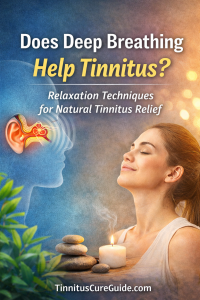
Does Deep Breathing Help Tinnitus? How Calm Breathing Techniques Can Reduce Ringing Naturally
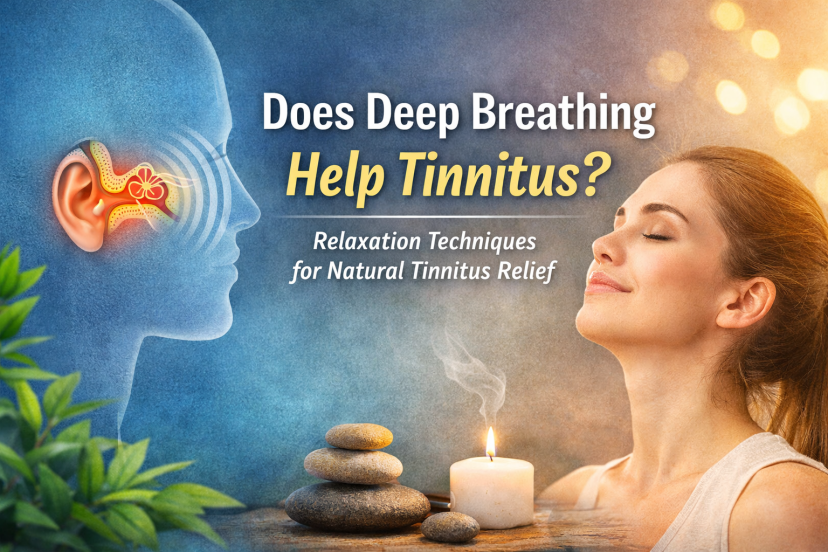
😰 Living With Tinnitus: Why Stress Makes Ringing Worse
If you live with tinnitus, you know how exhausting it can be. The constant ringing, buzzing, hissing, or whooshing can make it hard to focus, relax, or fall asleep. For many people, tinnitus feels louder during quiet moments—especially at night—when stress and tension finally catch up.
You may have noticed something important: tinnitus often gets worse when you’re anxious, overwhelmed, or overtired. That’s why many people ask an important question:
does deep breathing help tinnitus, or is it just another relaxation trend?
The answer may surprise you. While deep breathing isn’t a cure, research and clinical experience show that it can play a powerful role in calming the nervous system, lowering stress hormones, and reducing how intense tinnitus feels.
This article explains how and why deep breathing helps tinnitus, the best breathing techniques to try, and how to combine breathing with other natural strategies for long-term relief.
🧠 Does Deep Breathing Help Tinnitus? The Short Answer
Yes—deep breathing can help tinnitus, especially when stress, anxiety, or muscle tension worsen symptoms.
Deep breathing works by:
-
Calming the nervous system
-
Reducing stress-related tinnitus flare-ups
-
Lowering cortisol and adrenaline levels
-
Improving oxygen flow to the brain and inner ear
-
Helping the brain shift focus away from ringing
Tinnitus is closely linked to the body’s stress response. When you feel anxious, your brain becomes more alert to internal sounds. Deep breathing helps interrupt this cycle.
🌿 How Stress And Anxiety Amplify Tinnitus
To understand why deep breathing helps, it’s important to understand the stress–tinnitus connection.
When you’re stressed:
-
The body releases cortisol and adrenaline
-
Muscles tighten in the jaw, neck, and shoulders
-
Blood flow patterns change
-
The nervous system stays in “fight or flight” mode
This heightened state makes the brain more sensitive to tinnitus signals. Even mild ringing can feel louder, sharper, or more intrusive.
Deep breathing activates the parasympathetic nervous system, also known as the body’s “rest and restore” mode.
🧘♀️ How Deep Breathing Calms Tinnitus Symptoms
🔊 Reduces Nervous System Overstimulation
Slow breathing sends a signal to the brain that you’re safe. This reduces the brain’s tendency to “scan” for threats—including internal sounds like tinnitus.
🌬️ Improves Oxygen And Circulation
Deep breathing improves oxygen delivery to the brain and inner ear, supporting auditory system health.
🧠 Lowers Stress Hormones
Consistent breathing exercises reduce cortisol, which is known to worsen tinnitus perception.
💆♂️ Relaxes Muscle Tension
Breathing helps release tight muscles in the neck, jaw, and shoulders that often contribute to somatic tinnitus.
✅ Best Deep Breathing Techniques For Tinnitus Relief
Not all breathing techniques are equal. These methods are especially helpful for tinnitus sufferers.
🧘♀️ Diaphragmatic (Belly) Breathing For Tinnitus
This is one of the most effective techniques.
How To Do It:

-
Sit or lie down comfortably
-
Place one hand on your chest and one on your belly
-
Inhale slowly through your nose for 4 seconds
-
Feel your belly rise, not your chest
-
Exhale slowly through your mouth for 6 seconds
Why It Helps:
-
Activates the vagus nerve
-
Reduces stress-related tinnitus spikes
-
Promotes deep relaxation
Practice for 5–10 minutes, 2–3 times daily.
🌬️ 4–7–8 Breathing For Ringing Ears
How To Do It:
-
Inhale through the nose for 4 seconds
-
Hold your breath for 7 seconds
-
Exhale slowly through the mouth for 8 seconds
Benefits:
-
Calms nighttime tinnitus
-
Reduces anxiety-driven ringing
-
Helps with sleep onset
This technique is especially useful before bed.
🧠 Box Breathing For Tinnitus And Anxiety
Often used by first responders and military professionals.
Steps:
-
Inhale for 4 seconds
-
Hold for 4 seconds
-
Exhale for 4 seconds
-
Hold again for 4 seconds
Repeat for several minutes to stabilize the nervous system.
🔊 Does Deep Breathing Help Tinnitus At Night?
Yes—deep breathing is especially effective for nighttime tinnitus.
At night:

-
Background noise disappears
-
Stress hormones may still be elevated
-
The brain focuses more on internal sounds
Breathing exercises before bed help:
-
Quiet racing thoughts
-
Reduce tinnitus awareness
-
Prepare the body for sleep
Many tinnitus sufferers report that breathing combined with soft sound therapy works even better.
🌙 Combining Deep Breathing With Sound Therapy
Deep breathing works best when paired with a gentle background sound.
Helpful options include:
-
White noise machines
-
Nature sounds (rain, ocean, wind)
-
Tinnitus relief apps used in the U.S.
The sound gives your brain something neutral to focus on, while breathing calms the nervous system.
💊 Supplements That Support Relaxation And Tinnitus
Deep breathing can be supported by specific nutrients that promote calmness and nerve health.
🧩 Magnesium
-
Supports muscle relaxation
-
Calms the nervous system
-
May reduce tinnitus linked to stress
🌿 Ginkgo Biloba
-
Supports blood flow to the inner ear
-
May help with tinnitus intensity in some people
💊 Vitamin B12
-
Supports nerve function
-
Deficiency has been linked to tinnitus in some cases
Always talk to a healthcare professional before starting supplements.
🔊 Lifestyle Habits That Enhance Breathing Benefits
Deep breathing works best as part of a broader tinnitus-friendly lifestyle.
Helpful habits include:
-
Regular sleep schedules
-
Gentle exercise like walking or yoga
-
limiting caffeine and alcohol
-
Staying hydrated
-
Managing screen time and posture
Consistency matters more than perfection.

🚨 When Deep Breathing Alone May Not Be Enough
While deep breathing helps many people, it’s not a standalone solution for everyone.
Tinnitus can have multiple causes, including:
-
Hearing loss
-
Ear infections
-
Jaw or neck disorders, such as TMJ
-
Medication side effects
That’s why breathing works best as part of a whole-body approach.
🩺 When To See A Doctor Or Audiologist
Before relying solely on home techniques, consult a professional if you experience:
-
Sudden or one-sided tinnitus
-
Tinnitus with dizziness or vertigo
-
Hearing loss or ear fullness
-
Pulsating or rhythmic tinnitus
-
Tinnitus that worsens rapidly
An ENT or audiologist can rule out underlying conditions and recommend targeted care.
❓ FAQs: Does Deep Breathing Help Tinnitus?
1. Does deep breathing help tinnitus permanently?
Deep breathing doesn’t cure tinnitus, but it can significantly reduce how loud and distressing it feels when practiced consistently.
2. How long does it take for breathing to help tinnitus?
Many people notice calming effects within minutes. Long-term improvement usually comes with daily practice over several weeks.
3. Can deep breathing reduce tinnitus caused by anxiety?
Yes. Anxiety-related tinnitus often responds well to breathing techniques that calm the nervous system.
4. Is deep breathing helpful for pulsatile tinnitus?
Breathing may help reduce stress-related amplification, but pulsatile tinnitus should always be evaluated by a doctor.
5. Should I practice breathing during tinnitus spikes?
Yes. Breathing exercises are especially effective during flare-ups or moments of panic.
6. Can breathing exercises improve sleep with tinnitus?
Absolutely. Deep breathing before bed helps quiet the mind and reduces nighttime ringing awareness.
7. Is deep breathing safe for everyone?
Yes, deep breathing is generally safe. If you feel dizzy, slow down and breathe normally.
✅ Final Thoughts: Using Breath As A Tool For Tinnitus Relief
So, does deep breathing help tinnitus?
For many people, the answer is a clear yes.
Deep breathing doesn’t erase tinnitus—but it changes how your brain responds to it. By calming the nervous system, lowering stress hormones, and reducing muscle tension, breathing exercises help tinnitus fade into the background of daily life.
Start small. Practice consistently. Combine breathing with sound therapy, healthy habits, and patience. Over time, these simple tools can make tinnitus feel far more manageable.
⚠️ Medical Disclaimer
This article is for informational purposes only and does not replace medical advice. Tinnitus has many potential causes. Always consult a qualified healthcare professional for diagnosis and treatment.
 Explore more:
- Can Tinnitus Be Cured? Realistic Expectations
- Teeth Grinding And Tinnitus
- Hearing Aids Vs Masking Devices For Tinnitus